
Champions of Peace: Apollo Kamau Murigi and the Power of Systems Change
For Apollo Kamau Murigi, peace is not simply the absence of conflict. It is something that must be built into the systems, relationships, and communities that shape people’s everyday lives.
A Kenyan based between Sweden and Kenya, Apollo serves as the Country Director of MasterPeace Kenya. With an MSc in Peace and Development and an MA in International Cooperation and Humanitarian Aid, he brings a strong academic and practical understanding of peacebuilding and social change to his work.
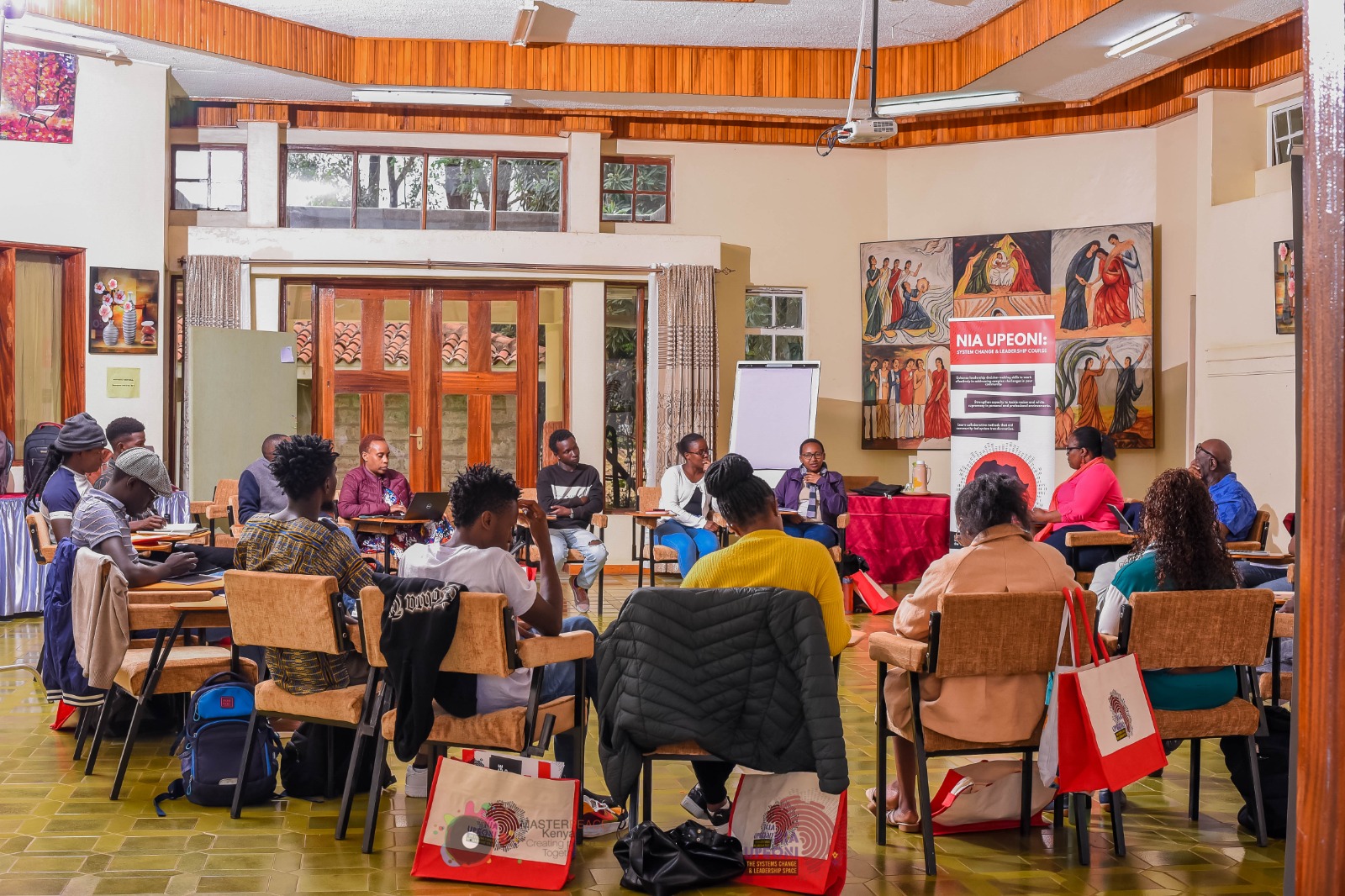
He has also contributed to the development of the Nia Upeoni Systems Change and Leadership Academy, an ILM-accredited programme supporting Black grassroots leaders across the UK and Africa.
Since joining MasterPeace in 2022, Apollo has been exploring one central question: where can we create the greatest leverage for lasting peace?
For him, the answer begins with young people.
Discovering the Power of Arts and Youth
What first attracted Apollo to MasterPeace was its unique use of arts and creativity as tools for social and economic change.
He also saw an opportunity to build on the foundations already established by previous MasterPeace Kenya leaders, including Sharon Kimani and Peter Ndung’u.
His first major MasterPeace experience came during the International Day of Peace celebration in Kisumu in 2022, which brought together around 200 learners and 15 chaperones from Peace Clubs.
Seeing the young people participating with such energy changed his understanding of the work.
“It became clear to me that if we socialise children to become peacebuilders and conflict transformers early, during their formative years, the risk of ethnic conflict in Kenya reduces significantly in the years ahead.”
For Apollo, peacebuilding therefore starts long before conflict emerges. It starts with the way children learn to communicate, understand differences, build relationships, and resolve disagreements.
From Events to Systems Change
Since joining MasterPeace, Apollo has contributed to a wide range of programmes and collaborations.
These include the COOLeaders campaign with Slow Food and MasterPeace Bengal, Menstrual Hygiene Day activities with MasterPeace Ethiopia and MasterPeace Bangladesh, and the Sonko Festival with MasterPeace Uganda.
He has also led the Life Skills for Peace project in Kenya as part of the Kizazi Amani Consortium.
Across these different initiatives, one idea has remained constant: lasting peace cannot be created through isolated events alone.
Apollo describes peace as a systems question.
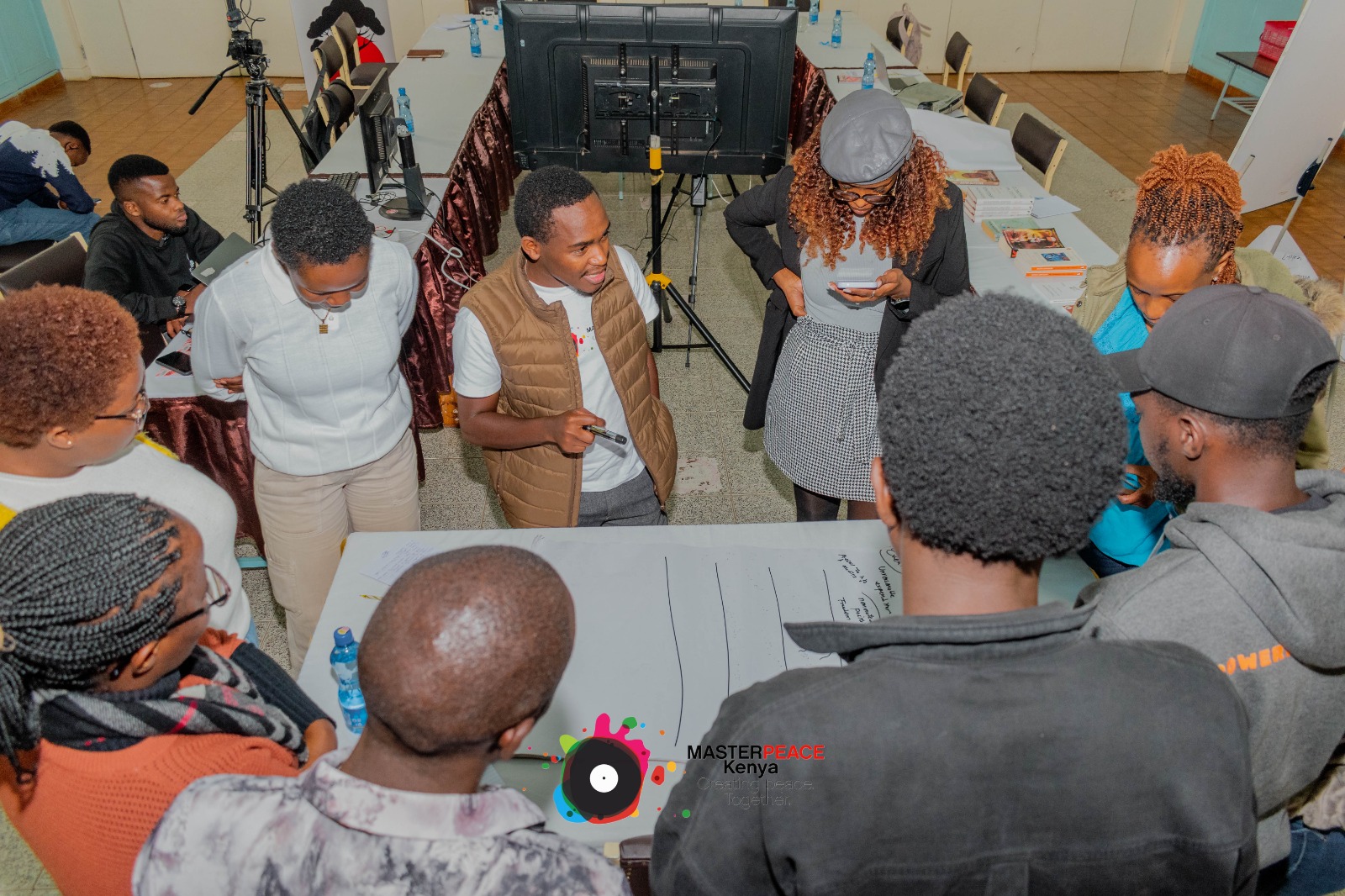
Systems thinking asks us to look beyond individual problems and identify the deeper structures and relationships that keep those problems in place. In Kenya, Apollo sees schools, Peace Clubs, and relationships between young people from different ethnic communities as some of the key places where meaningful change can happen.
And at the centre of these systems are young people themselves.
The Art of “Friendraising”
One of Apollo’s most lasting lessons from MasterPeace is simple:
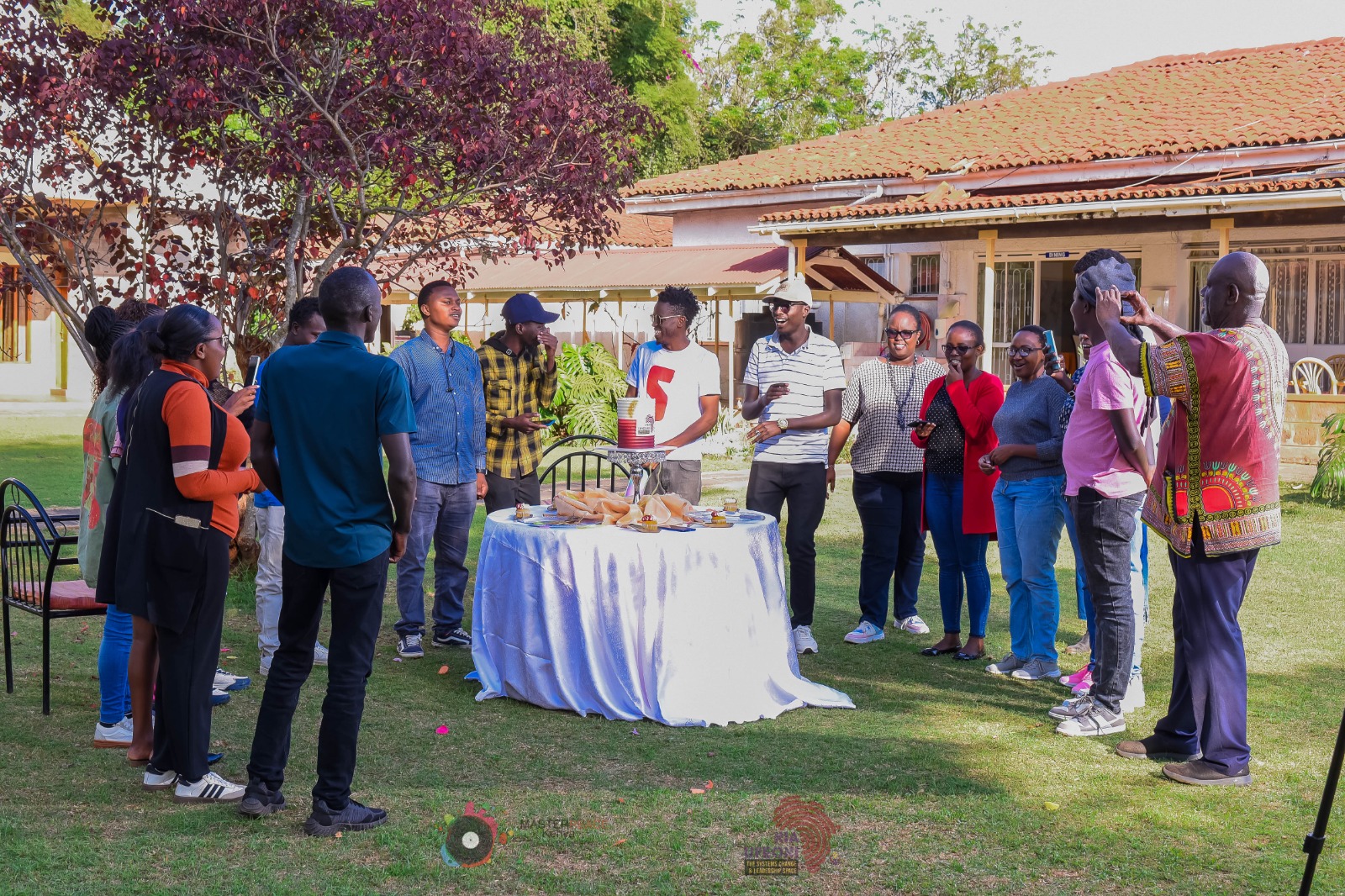
“The art of friendraising before fundraising.”
For him, strong relationships come first. Resources follow relationships.
This philosophy has influenced the way MasterPeace Kenya develops partnerships, secures funding, and works with other organisations. Instead of viewing collaboration simply as a means to access resources, Apollo sees relationships as an essential part of creating sustainable change.
The same principle has shaped his wider approach to peacebuilding: build trust, create connections, and give people the space to take ownership.
When Dance Becomes Peacebuilding
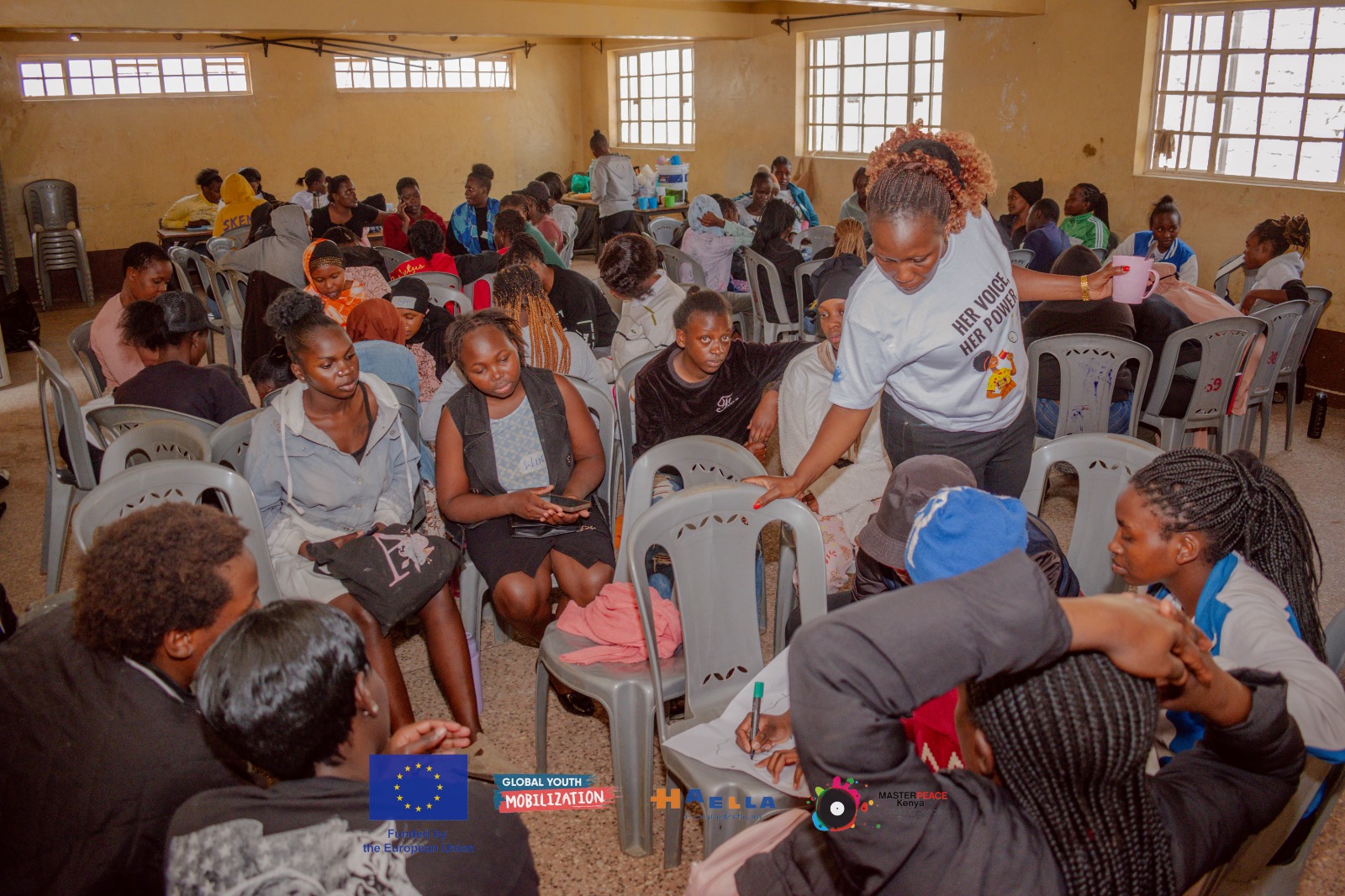
One of Apollo’s most powerful MasterPeace moments happened in Korogocho during Women and Entrepreneurship in Colour, a project supporting women survivors of violence.
During one of the sessions, participants were dancing, laughing, and learning about entrepreneurship. One participant approached Apollo and shared something that stayed with him:
“I really needed to dance and laugh today. In fact, in my bleak days, I always look forward to these dance sessions and trainings. At least I know I will laugh and dance, go home happy, and I will have also learnt how to run a business.”
That moment changed the way Apollo understood the role of creativity.
Dance was not simply an enjoyable addition to a programme. It was a way of bringing people through the door, creating a safe space, building connections, and keeping people engaged.
It showed him that sometimes peacebuilding begins with something as simple—and as powerful—as creating a space where people can laugh again.
A Wider Understanding of Peace
Through his MasterPeace journey, Apollo’s understanding of peace has expanded.
He no longer sees peace only through the lens of wars or conflict between states and communities. He has become increasingly aware of how conflict can exist within households and relationships, and how these dynamics can eventually shape what happens in wider communities and societies.
Peace, therefore, must also be built in everyday relationships.
This perspective has strengthened his belief in early intervention, community-based work, and creating environments where people can develop the skills needed to transform conflict before it escalates.
A Network Without Borders
One of Apollo’s favourite aspects of MasterPeace is the way people collaborate across borders.
Despite operating in more than 45 countries, the network maintains a remarkably open and horizontal culture.
“I could send a message to almost anyone in the network and receive a helpful response. For an organisation operating across more than 45 countries, that kind of openness is rare.”
For Apollo, this is what makes MasterPeace more than an international organisation.
It is a community of practice, a network, and a family.
His MasterPeace journey has brought him unexpected friendships and unforgettable moments—from swimming in the Adriatic Sea with co-CEO Lucija, to conversations with colleagues such as Saugat and Maryam, to being welcomed into Dorothee’s home in The Hague, and building connections with MasterPeace members across Africa.
As he puts it, it has simply been “a big bowl of goodness.”
Turning Challenges into Opportunities
Like many grassroots initiatives, MasterPeace Kenya has faced persistent funding challenges.
But the strength of the network has helped turn some of those challenges into opportunities.
MasterPeace colleagues supported the Kenyan team in connecting with funders, including meeting potential partners in person when needed. That support helped transform ideas and plans into programmes reaching young people in schools.
For Apollo, this is another example of the value of a global network: when one part of the family faces a challenge, others can step forward.
Building a Generation of Peace
One of the clearest examples of Apollo’s work is the Life Skills for Peace project, implemented between January and October 2024 under the Kizazi Amani Consortium, together with Footprints for Change, Kenya Unites Trust, MasterPeace Kenya, and Miss Koch Kenya.
The project reached 586 learners across 14 schools in Kisumu, Kajiado, Murang’a, and Nairobi counties.
Through bi-weekly mentorship sessions, Peace Club patrons delivered an eight-credit life skills manual covering topics including identity, relationships, mental health, communication, technology use, and conflict transformation.
More than 90% of learners completed the sessions.
Teachers reported improvements in learner confidence, awareness of children’s rights, and the ability of students to resolve conflicts among themselves without resorting to violence.
The project also helped bring organisations that had previously been working in parallel closer together. This growing community of practice eventually developed into the Kizazi Amani Consortium, meaning Generation Peace.
It is a powerful example of how collaboration can move beyond individual projects and become something larger and more sustainable.
Collaboration as a Way Forward
When Apollo reflects on MasterPeace, three words immediately come to mind:
Collaboration. Co-founding. Innovation.
For him, these are not simply values written on paper. They describe a way of working—one that gives people the space to contribute, experiment, learn from one another, and build solutions together.
And his advice to anyone beginning their own MasterPeace journey is equally simple:
“Present yourself with an open mind and a willingness to engage.”
Because sometimes the most important opportunities begin when we are willing to listen, connect, and step into something we have never experienced before.
A Different Way of Seeing Systems Change
Apollo’s journey with MasterPeace has reinforced his belief that systems change does not always have to look complicated.
Sometimes, it looks like children learning how to resolve a disagreement.
Sometimes, it looks like teachers listening.
Sometimes, it looks like women dancing and laughing again after difficult experiences.
And sometimes, it looks like people from more than 45 countries choosing collaboration over hierarchy.
As Apollo puts it:
“Systems change is often described as complex work. MasterPeace showed me it can also look like children dancing, teachers listening, and a network across 45 countries choosing collaboration over hierarchy.”
For Apollo Kamau Murigi, peacebuilding is about changing systems by changing relationships, creating opportunities, and investing in people early.
And above all, it is about building a generation that does not simply inherit the future—but actively shapes it.