
Some journeys begin with a plan. Others begin with a moment that changes everything. For Rani Patel, President of Aarohan NGO in India, that moment came in 2004 when a seven-year-old rag picker named Rohan was caught stealing the wing mirror of her car. Many would have handed the boy over to the police. Instead, Rani chose to ask a simple question: “Why?” What she heard would change the course of her life.
The young child shared that he was part of a group of street children who survived by collecting scrap, engaging in petty theft, struggling with substance abuse, and facing exploitation and abuse. Behind a seemingly small act of theft was a much larger story of neglect, poverty, and vulnerability. The encounter shook Rani deeply.
Despite being highly educated, she realized how little she knew about the realities faced by migrant families and marginalized children living on the fringes of society. Together with her friend and colleague Anjana Tata, she began visiting nearby slum communities to understand the challenges children were facing.
What they found was heartbreaking but familiar. Children wandered the streets without purpose, influenced by older youth and disconnected from education. Many parents had migrated from other states in search of work. Most were illiterate and struggling to survive. The cycle of poverty and illiteracy seemed endless.
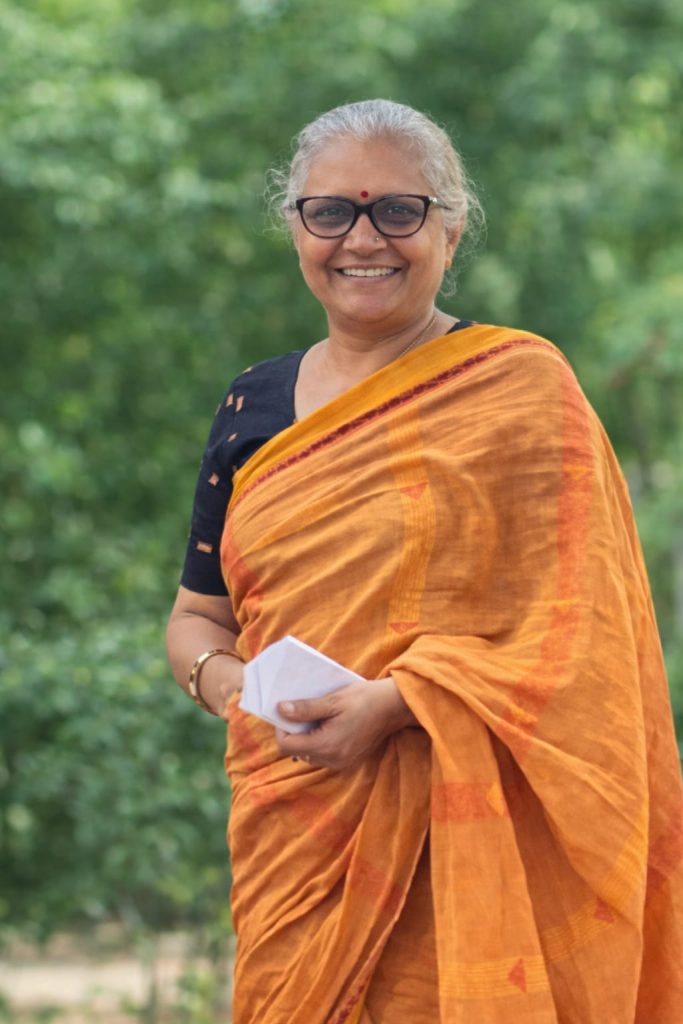
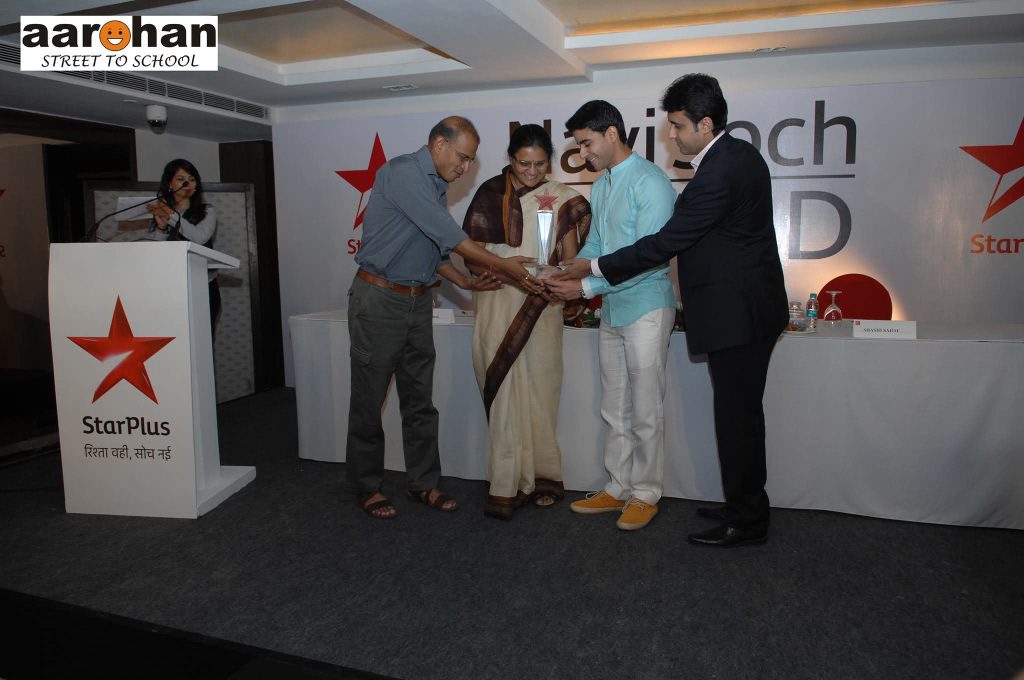
“Start with a dot and connect with the heart.” -Rani Patel
“We thought that as educated citizens, we had a responsibility,” Rani recalls.
Determined to make a difference, they enrolled around forty children in school. Like many first-time social entrepreneurs, they believed education alone would create opportunities and transform lives. But reality had other plans. When they followed up, only four of the forty children were attending school regularly.
The reason was simple yet profound. These were migrant children. Many were responsible for caring for younger siblings. Their families faced constant uncertainty, relocation, and economic hardship. Education was important, but survival came first.
That realization transformed their approach. Instead of only focusing on school enrolment, they began addressing the root causes that prevented children from learning. Their work expanded into early childhood development, caregiver education, and support for mothers.
“We believed that if we nurture the roots, we will see the impact later,” says Rani.
This belief became the foundation of Aarohan, which means “a climb.”
Since its establishment in 2005, Aarohan has helped deprived, excluded, and marginalized children climb over barriers and boundaries toward a life of dignity and opportunity. The organization works to ensure that children not only enter classrooms but also stay there, develop confidence, and gain the ability to make informed choices about their futures.
“We wanted children to continue their education and learn how to differentiate between good and bad. We wanted them to have choices.” Along the way, Rani also discovered the power of volunteerism. Inspired by a conversation with the Cuban Ambassador in India, she learned about a culture where young people actively contribute to educating others in their communities. The idea resonated deeply.
“One youth teaching one child. That concept stayed with me.” Soon, students and young volunteers began joining Aarohan’s efforts, helping children learn and creating a culture of community responsibility that continues to shape the organization today. Over the years, Aarohan’s work expanded far beyond education. The organization has worked extensively with tribal communities, creating opportunities for children and families who have long been excluded from mainstream development processes. For Rani, witnessing these transformations remains one of her proudest achievements.
“You have to visit and see it yourself to believe the change.”
In 2011, she also began working closely with transgender communities, providing skills development, support, and opportunities for inclusion. Today, hundreds of transgender individuals affectionately call her “mother”, a reflection of the trust, care, and commitment she has shown over the years. Her approach has always remained very simple: listen first.
“I try to fit into their shoes before I work for them. We need to understand the cultural context, listen to people, and then find solutions together.”
That philosophy has guided her work locally and shapes her views on global challenges. Whether discussing access to education, domestic violence, child exploitation, inequality, or conflict, Rani sees common threads connecting communities around the world.
“The problems may appear different, but many of them are shared globally. We need equality of voice. We need to unite.”
Watching images of war and violence around the world, her greatest concern remains the impact on children and young people.
“What children are witnessing today will shape their future. That is what worries me.”
For Rani, meaningful change requires collaboration, empathy, and collective action. No single organization, government, or individual can solve the world’s challenges alone.
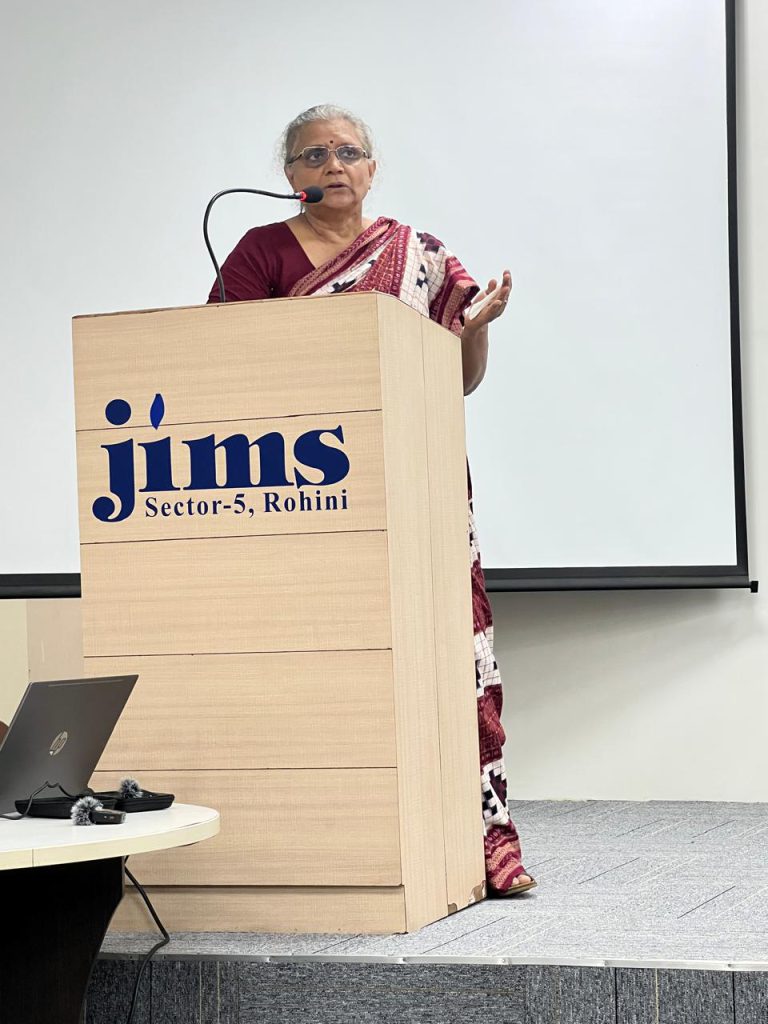
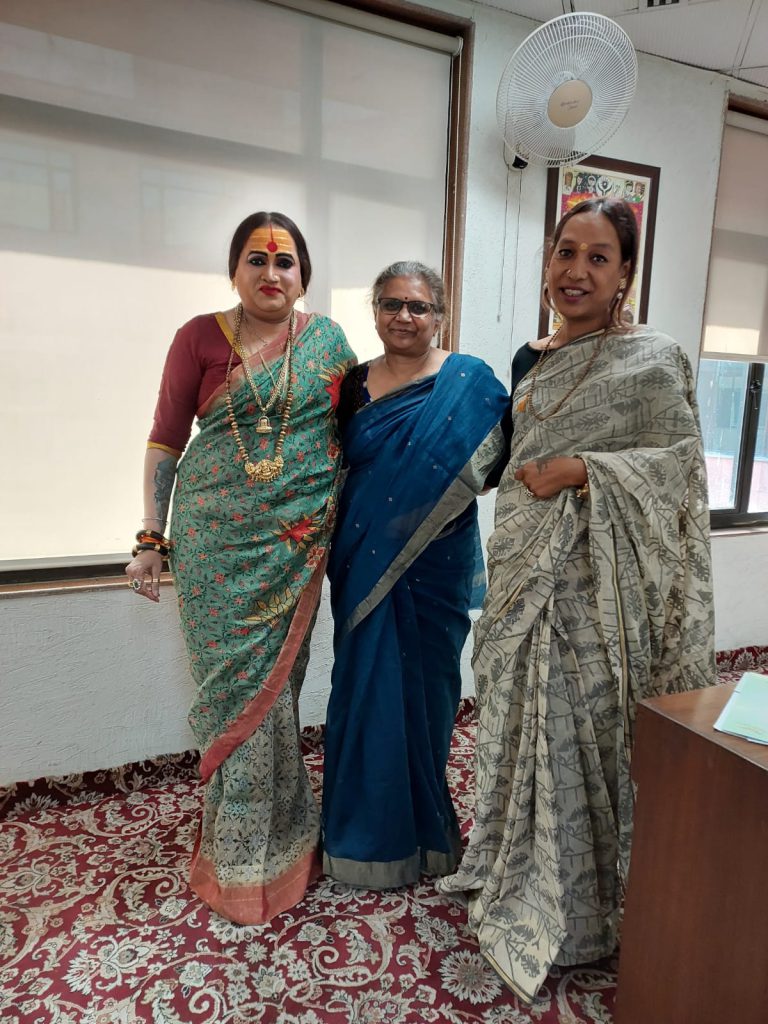
This belief is also what drew her to MasterPeace. Reflecting on her experiences with MasterPeace bootcamps and international exchanges, she speaks warmly about the energy and motivation she has seen among young changemakers.
“When I met Aart Bos and participated in the bootcamps, I saw how much MasterPeace motivates young people. It encourages them to work for their communities and believe in their ability to create change.”
Her message to fellow changemakers is both simple and powerful:
“Start with a dot and connect with the heart.”
For more than two decades, Rani Patel has done exactly that, starting with one conversation, one child, one family, and one community at a time. From a chance encounter with a seven-year-old boy named Rohan emerged Aarohan: a climb toward dignity, opportunity, and hope. And as countless children, families, volunteers, and community members can testify, Rani never stopped climbing alongside them.