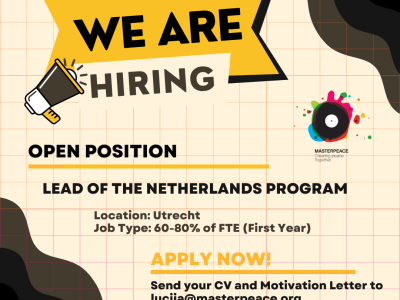
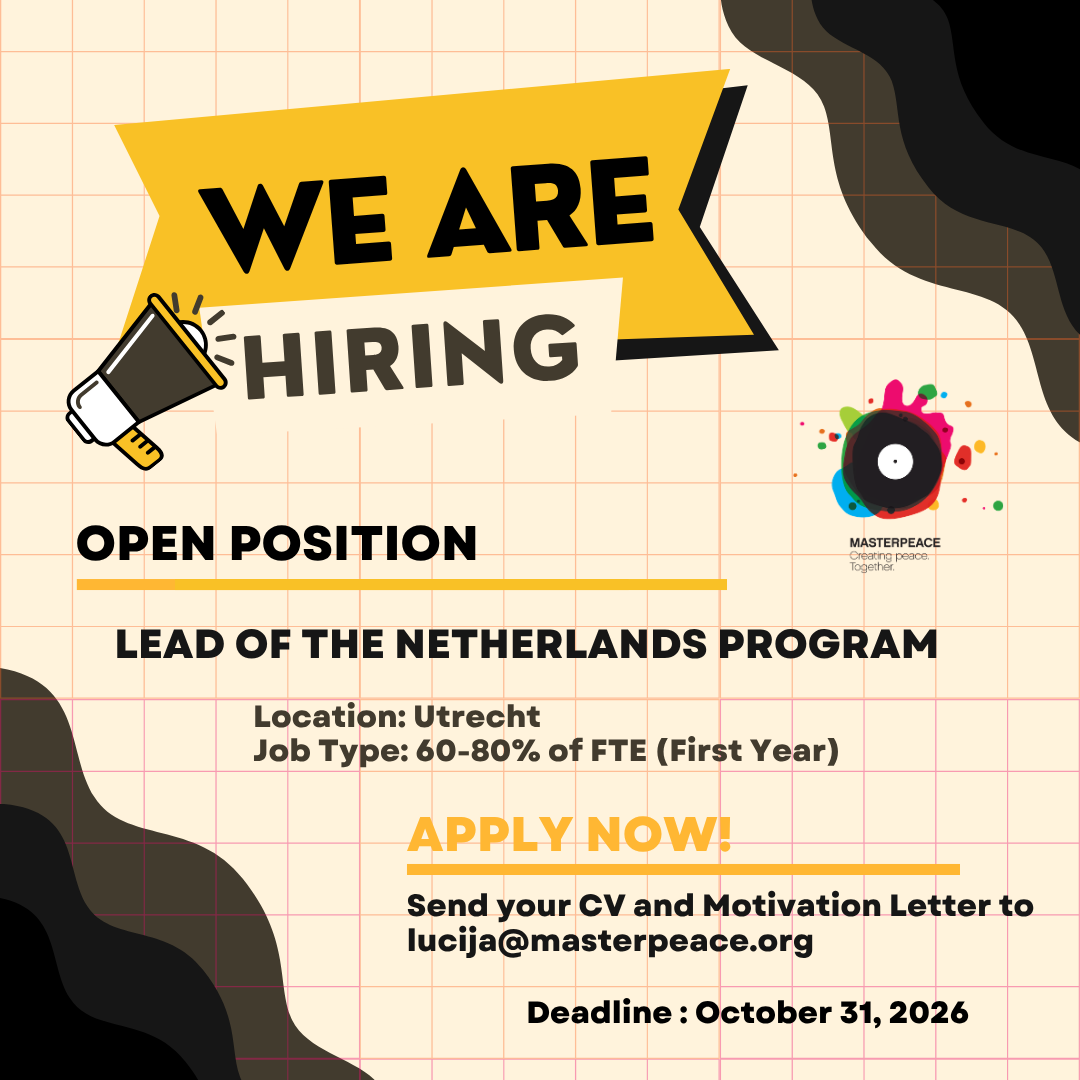
MasterPeace is Hiring: Lead of The Netherlands Program
About MasterPeace
MasterPeace is a global, multi-award-winning grassroots network that brings together NGOs, social enterprises, partner organizations, active citizens, and artists to create local impact. Currently active in over 45 countries. Our mission is to connect, support, and amplify the work of civil society organizations (CSOs) to drive greater social impact and scale best practices for engaging, connecting, and empowering young people to use their talents for a peaceful, inclusive, and sustainable future.
In the Netherlands we run the headquarters and we implement local and international projects for youth empowerment in the cities of Utrecht, The Hague and Rotterdam. The projects usually consist of a series of workshops around talent development, training on personal leadership in all of which we use the power of arts.
Scope of the Role
The Lead of the Netherlands Program plays an important role in shaping the strategic direction of MasterPeace. In close collaboration with our Co-Leaders (reporting to one of them) and aligned with our organizational vision and strategic plan, the Lead NL will head and oversee the implementation of our initiatives within the Netherlands.
Main duties and responsibilities
Strategic Leadership
● Lead the development of the strategic plan for MasterPeace in the Netherlands in full alignment with the overall strategy and lead the execution of its programs;
● Contribute to the creation and execution of the overall MasterPeace strategy as a key team member;
● Lead the fundraising efforts in the Netherlands both for local as well as international programs;
● Be an active and contributing member of the organization’s leadership team.
Fundraising
● Successfully fundraise for Dutch programmes and broader international initiatives, securing diverse funding to support programme growth and sustainability.
● Plan and develop the fundraising approaches on MasterPeace in the Netherlands, in collaboration with the Co-Leaders;
● Follow fundraising news and changes on the Dutch market;
● Develop and maintain fundraising partnerships;
● Direct and execute the fundraising pipeline for proposals in the Netherlands - both for local as well as international implementations.
Program Management:
● Plan and Develop Programs: Design and implement MasterPeace programs that align with our mission and address the needs of communities within the Netherlands.
● Support Global Program Implementation: Facilitate and support the execution of global MasterPeace programs within the Netherlands, ensuring they are adapted appropriately for local contexts.
● Monitoring and Evaluation: Establish performance metrics, monitor progress, and evaluate the effectiveness of programs to ensure goals are met.
● Reporting: Prepare detailed reports for co-leaders or other senior management envisioned, stakeholders, and funders on program outcomes and impact.
Team Leadership:
● Manage Staff and Volunteers: Lead a diverse team of staff and volunteers, providing guidance, mentorship, and performance evaluations.
● Capacity Building: Identify training needs and opportunities for professional development within the team.
Partnerships and Networking:
● Stakeholder Engagement: Build and maintain relationships with NGOs, government agencies, sponsors, community organizations, and other key stakeholders.
● Representation: Act as the primary representative of MasterPeace in the Netherlands at events, conferences, and meetings.
Financial Management:
● Budget Management: Develop and manage program budgets, ensuring financial accountability and transparency. Collaborate with the finance manager.
● Financial reporting: Project financial reporting to donors.
Communication and Advocacy:
● Public Relations: Oversee communication strategies, including social media, press releases, and community outreach to raise awareness of MasterPeace's mission.
● Advocacy: Advocate for peace-building initiatives and policies within the national context.
Requirements
● 7+ years of relevant professional experience.
● Native level fluency in Dutch and a high level of working English.
● Proven experience managing a medium-sized team or department, preferably in a NGO context in the Netherlands.
● Successful track record in fundraising and resource mobilization.
● Strong leadership, strategic planning, and decision-making skills.
● Experience managing partnerships, programs, and budgets.
● Ability to work effectively in an international and multicultural environment.
Salary range: 4.000 - 5.500 Gross for a full time position (We plan to hire at 60-80% for the first year)
Application deadline: 31st OCTOBER 2026
Starting date: December 2026/January 2027
Live interviews in Utrecht: 17 and 18 November 2026
How To Apply?: Please send your CV and motivation letter to lucija@masterpeace.org no later than October 31st, 23:59 CET Time.
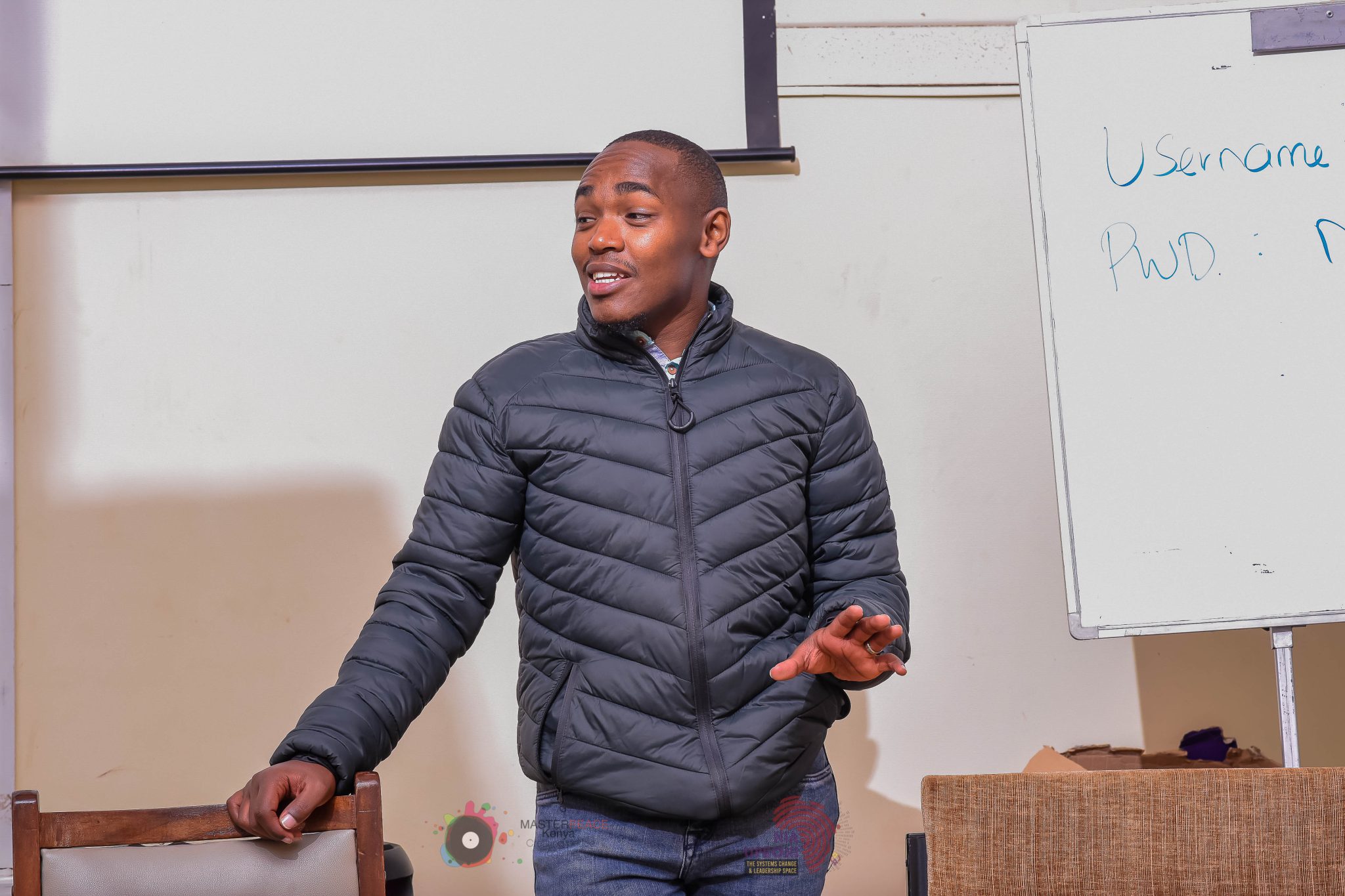
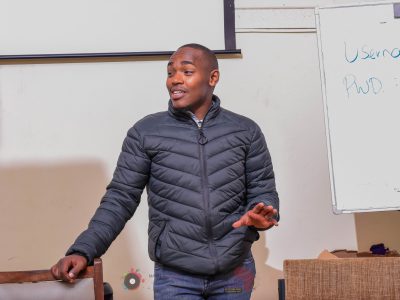
Champions of Peace: Apollo Kamau Murigi and the Power of Systems Change
For Apollo Kamau Murigi, peace is not simply the absence of conflict. It is something that must be built into the systems, relationships, and communities that shape people's everyday lives.
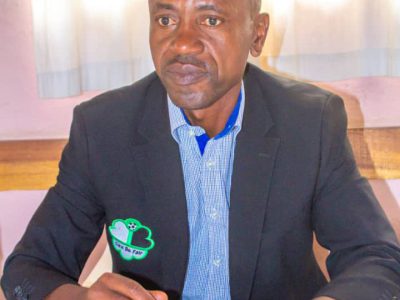
A Kenyan based between Sweden and Kenya, Apollo serves as the Country Director of MasterPeace Kenya. With an MSc in Peace and Development and an MA in International Cooperation and Humanitarian Aid, he brings a strong academic and practical understanding of peacebuilding and social change to his work.
He has also contributed to the development of the Nia Upeoni Systems Change and Leadership Academy, an ILM-accredited programme supporting Black grassroots leaders across the UK and Africa.
Since joining MasterPeace in 2022, Apollo has been exploring one central question: where can we create the greatest leverage for lasting peace?
For him, the answer begins with young people.
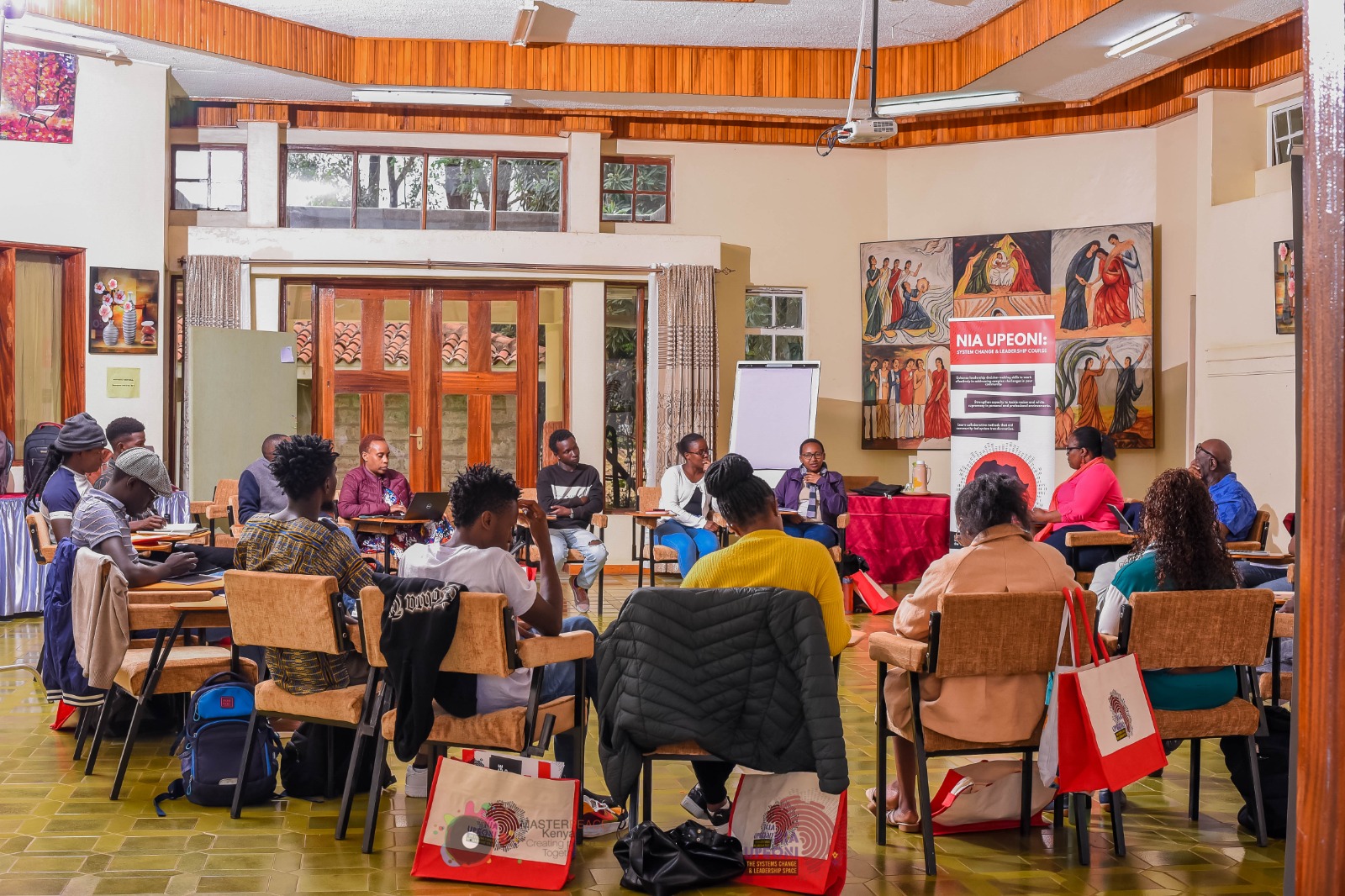
Discovering the Power of Arts and Youth
What first attracted Apollo to MasterPeace was its unique use of arts and creativity as tools for social and economic change.
He also saw an opportunity to build on the foundations already established by previous MasterPeace Kenya leaders, including Sharon Kimani and Peter Ndung'u.
His first major MasterPeace experience came during the International Day of Peace celebration in Kisumu in 2022, which brought together around 200 learners and 15 chaperones from Peace Clubs.
Seeing the young people participating with such energy changed his understanding of the work.
"It became clear to me that if we socialise children to become peacebuilders and conflict transformers early, during their formative years, the risk of ethnic conflict in Kenya reduces significantly in the years ahead."
For Apollo, peacebuilding therefore starts long before conflict emerges. It starts with the way children learn to communicate, understand differences, build relationships, and resolve disagreements.
From Events to Systems Change
Since joining MasterPeace, Apollo has contributed to a wide range of programmes and collaborations.
These include the COOLeaders campaign with Slow Food and MasterPeace Bengal, Menstrual Hygiene Day activities with MasterPeace Ethiopia and MasterPeace Bangladesh, and the Sonko Festival with MasterPeace Uganda.
He has also led the Life Skills for Peace project in Kenya as part of the Kizazi Amani Consortium.
Across these different initiatives, one idea has remained constant: lasting peace cannot be created through isolated events alone.
Apollo describes peace as a systems question.
Systems thinking asks us to look beyond individual problems and identify the deeper structures and relationships that keep those problems in place. In Kenya, Apollo sees schools, Peace Clubs, and relationships between young people from different ethnic communities as some of the key places where meaningful change can happen.
And at the centre of these systems are young people themselves.
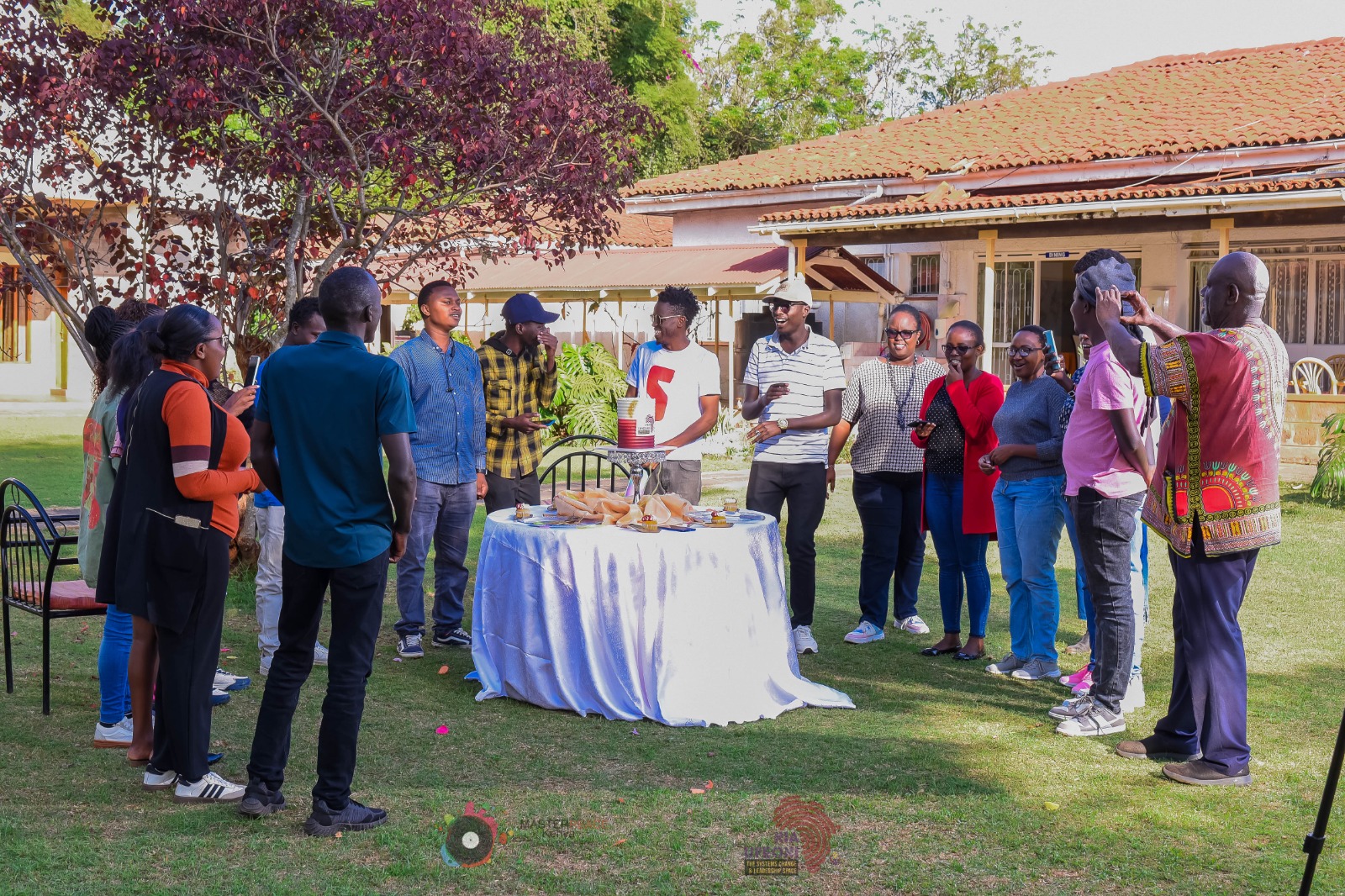
The Art of "Friendraising"
One of Apollo's most lasting lessons from MasterPeace is simple:
"The art of friendraising before fundraising."
For him, strong relationships come first. Resources follow relationships.
This philosophy has influenced the way MasterPeace Kenya develops partnerships, secures funding, and works with other organisations. Instead of viewing collaboration simply as a means to access resources, Apollo sees relationships as an essential part of creating sustainable change.
The same principle has shaped his wider approach to peacebuilding: build trust, create connections, and give people the space to take ownership.
When Dance Becomes Peacebuilding
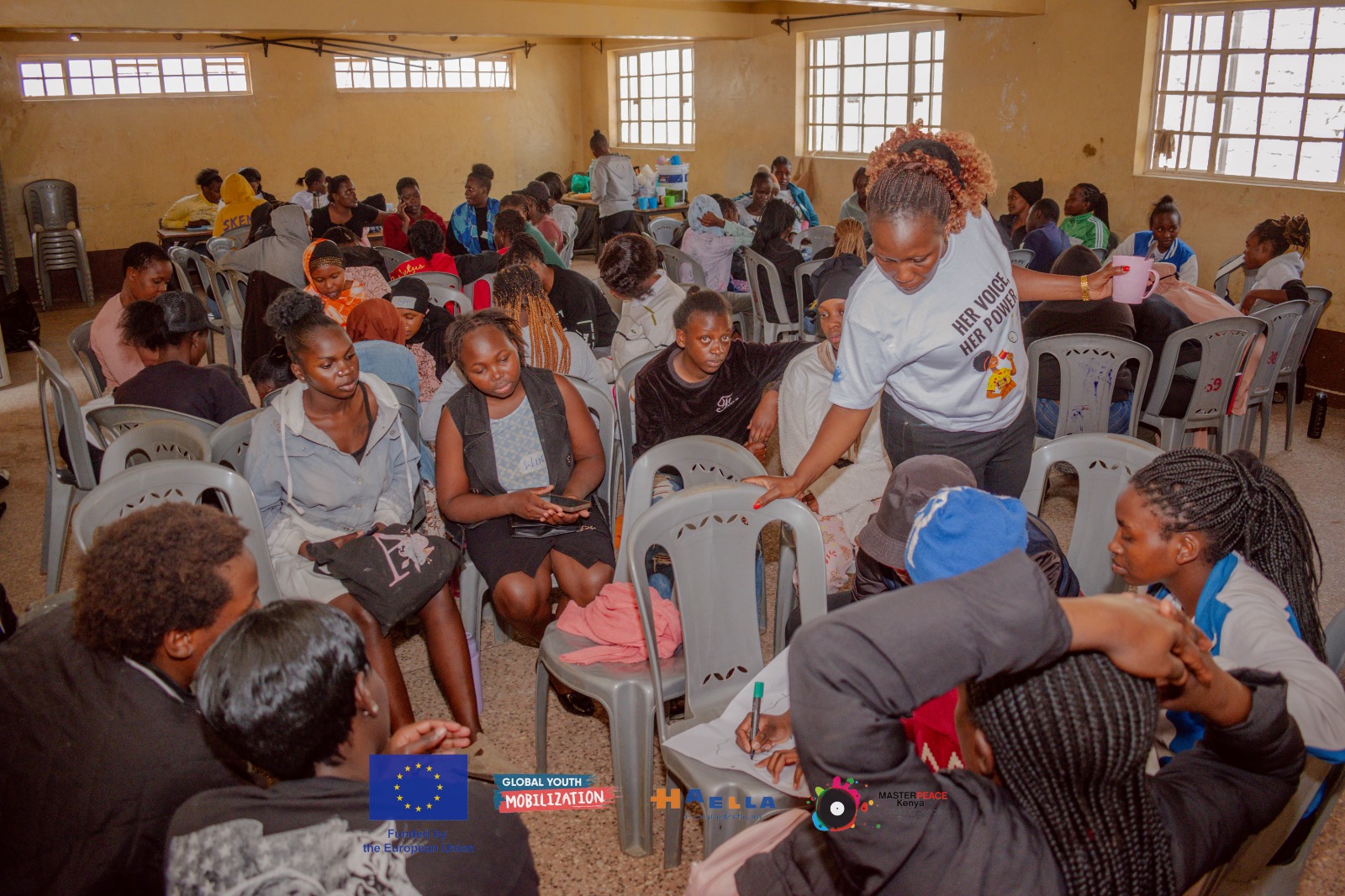
One of Apollo's most powerful MasterPeace moments happened in Korogocho during Women and Entrepreneurship in Colour, a project supporting women survivors of violence.
During one of the sessions, participants were dancing, laughing, and learning about entrepreneurship. One participant approached Apollo and shared something that stayed with him:
"I really needed to dance and laugh today. In fact, in my bleak days, I always look forward to these dance sessions and trainings. At least I know I will laugh and dance, go home happy, and I will have also learnt how to run a business."
That moment changed the way Apollo understood the role of creativity.
Dance was not simply an enjoyable addition to a programme. It was a way of bringing people through the door, creating a safe space, building connections, and keeping people engaged.
It showed him that sometimes peacebuilding begins with something as simple—and as powerful—as creating a space where people can laugh again.
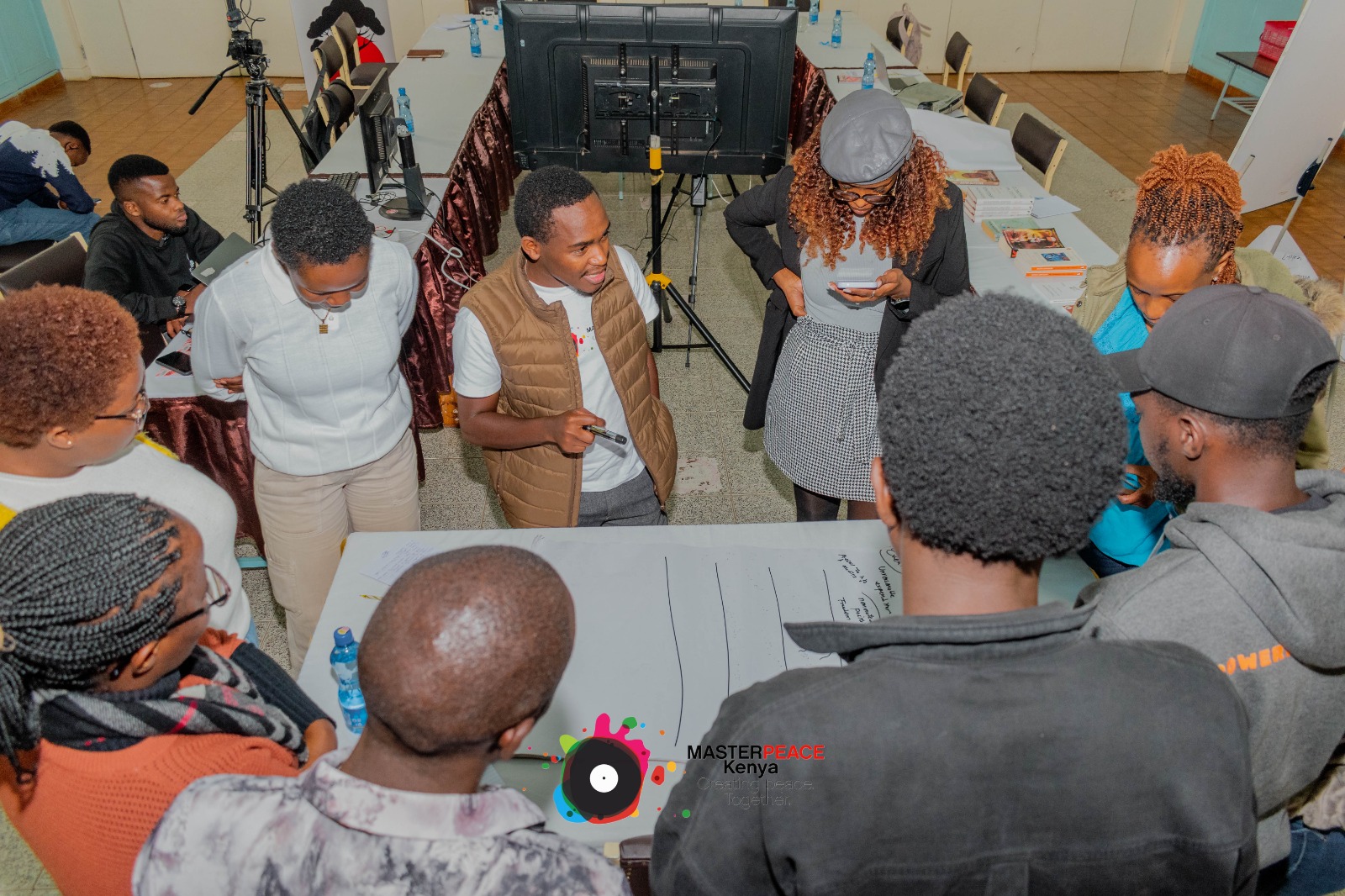
A Wider Understanding of Peace
Through his MasterPeace journey, Apollo's understanding of peace has expanded.
He no longer sees peace only through the lens of wars or conflict between states and communities. He has become increasingly aware of how conflict can exist within households and relationships, and how these dynamics can eventually shape what happens in wider communities and societies.
Peace, therefore, must also be built in everyday relationships.
This perspective has strengthened his belief in early intervention, community-based work, and creating environments where people can develop the skills needed to transform conflict before it escalates.
A Network Without Borders
One of Apollo's favourite aspects of MasterPeace is the way people collaborate across borders.
Despite operating in more than 45 countries, the network maintains a remarkably open and horizontal culture.
"I could send a message to almost anyone in the network and receive a helpful response. For an organisation operating across more than 45 countries, that kind of openness is rare."
For Apollo, this is what makes MasterPeace more than an international organisation.
It is a community of practice, a network, and a family.
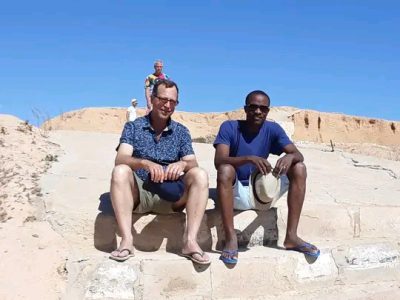
His MasterPeace journey has brought him unexpected friendships and unforgettable moments—from swimming in the Adriatic Sea with co-CEO Lucija, to conversations with colleagues such as Saugat and Maryam, to being welcomed into Dorothee's home in The Hague, and building connections with MasterPeace members across Africa.
As he puts it, it has simply been "a big bowl of goodness."
Turning Challenges into Opportunities
Like many grassroots initiatives, MasterPeace Kenya has faced persistent funding challenges.
But the strength of the network has helped turn some of those challenges into opportunities.
MasterPeace colleagues supported the Kenyan team in connecting with funders, including meeting potential partners in person when needed. That support helped transform ideas and plans into programmes reaching young people in schools.
For Apollo, this is another example of the value of a global network: when one part of the family faces a challenge, others can step forward.
Building a Generation of Peace
One of the clearest examples of Apollo's work is the Life Skills for Peace project, implemented between January and October 2024 under the Kizazi Amani Consortium, together with Footprints for Change, Kenya Unites Trust, MasterPeace Kenya, and Miss Koch Kenya.
The project reached 586 learners across 14 schools in Kisumu, Kajiado, Murang'a, and Nairobi counties.
Through bi-weekly mentorship sessions, Peace Club patrons delivered an eight-credit life skills manual covering topics including identity, relationships, mental health, communication, technology use, and conflict transformation.
More than 90% of learners completed the sessions.
Teachers reported improvements in learner confidence, awareness of children's rights, and the ability of students to resolve conflicts among themselves without resorting to violence.
The project also helped bring organisations that had previously been working in parallel closer together. This growing community of practice eventually developed into the Kizazi Amani Consortium, meaning Generation Peace.
It is a powerful example of how collaboration can move beyond individual projects and become something larger and more sustainable.
Collaboration as a Way Forward
When Apollo reflects on MasterPeace, three words immediately come to mind:
Collaboration. Co-founding. Innovation.
For him, these are not simply values written on paper. They describe a way of working—one that gives people the space to contribute, experiment, learn from one another, and build solutions together.
And his advice to anyone beginning their own MasterPeace journey is equally simple:
"Present yourself with an open mind and a willingness to engage."
Because sometimes the most important opportunities begin when we are willing to listen, connect, and step into something we have never experienced before.
A Different Way of Seeing Systems Change
Apollo's journey with MasterPeace has reinforced his belief that systems change does not always have to look complicated.
Sometimes, it looks like children learning how to resolve a disagreement.
Sometimes, it looks like teachers listening.
Sometimes, it looks like women dancing and laughing again after difficult experiences.
And sometimes, it looks like people from more than 45 countries choosing collaboration over hierarchy.
As Apollo puts it:
"Systems change is often described as complex work. MasterPeace showed me it can also look like children dancing, teachers listening, and a network across 45 countries choosing collaboration over hierarchy."
For Apollo Kamau Murigi, peacebuilding is about changing systems by changing relationships, creating opportunities, and investing in people early.
And above all, it is about building a generation that does not simply inherit the future—but actively shapes it.
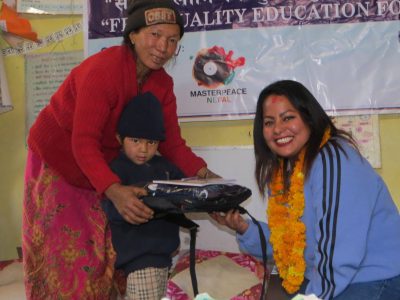
Meet Punam: From a Dream for Quality Education to a Voice on the Global Stage
Sometimes, change begins with a dream.
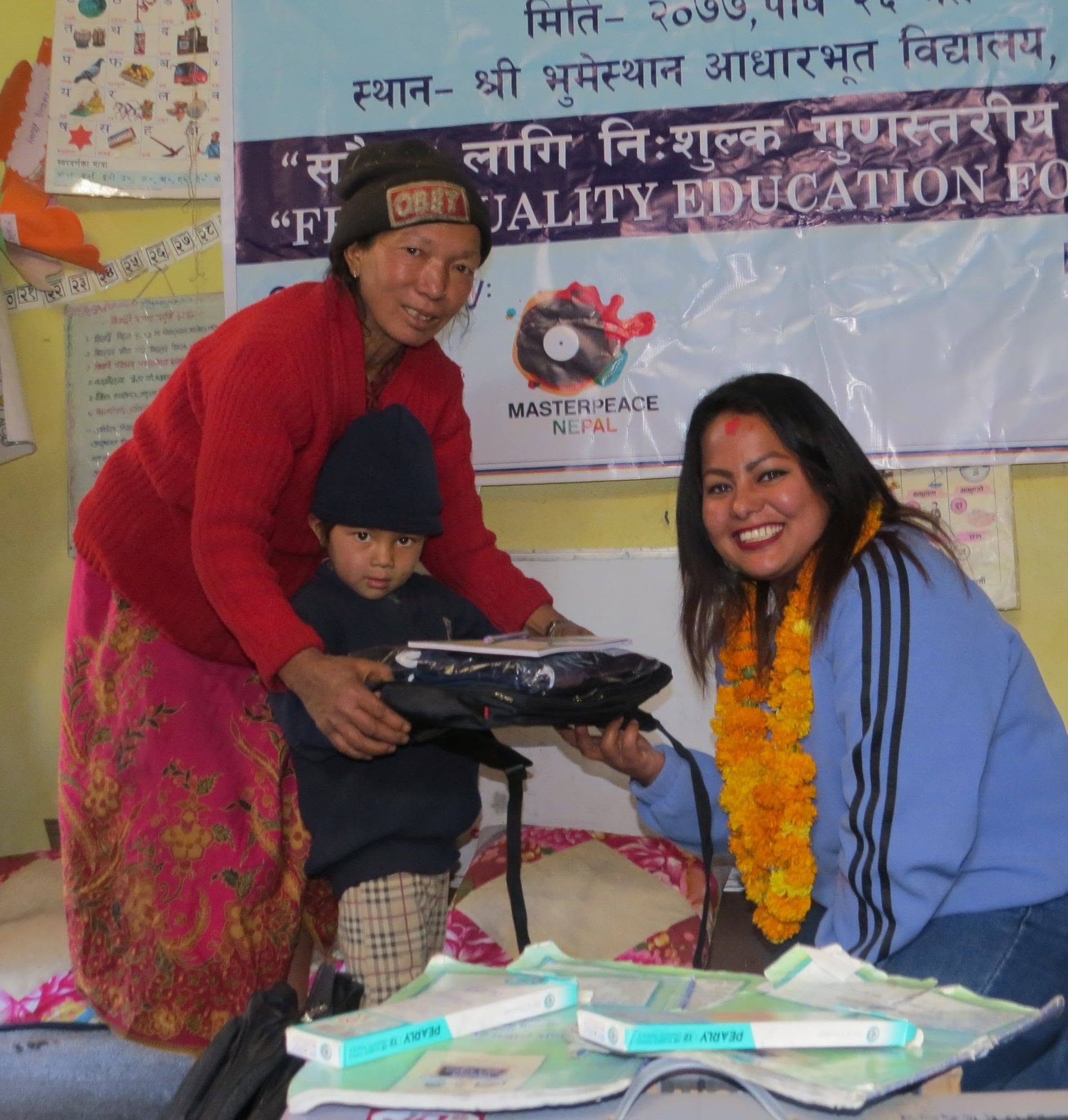
For Punam, that dream has always been simple yet powerful: Quality Education for All.
Her belief in the transformative power of education has shaped much of her journey, from her work in Nepal to her connection with the wider MasterPeace community. Over the years, MasterPeace has given her opportunities not only to learn and connect with people from different backgrounds, but also to share her own ideas and vision beyond the community she started in.
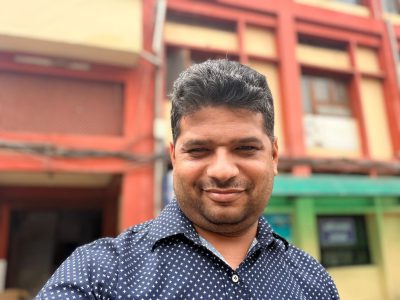
Punam's journey with MasterPeace began in 2012, when she became connected with MasterPeace Nepal, working under the legal umbrella of Peace for People.
What began as an opportunity to connect with a wider community gradually became an important part of her personal and professional journey. Through the network, she encountered people with different experiences, perspectives, and approaches to peace and social change. These connections helped her reflect not only on the issues she cared about, but also on her own role in creating positive change.
At the heart of that journey was her belief in education.
Punam has long seen education as one of the most powerful tools for creating a more equal society. But having a dream and having the opportunity to share that dream with the world are two very different things.
MasterPeace helped bridge that gap.
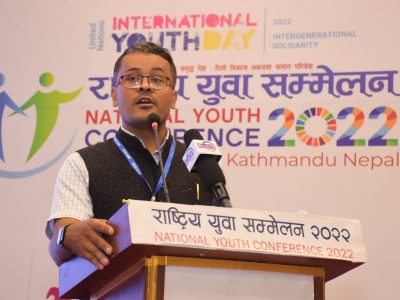
In 2018, Punam travelled from Nepal to the Netherlands to participate in the Great Minds Meeting. There, she had the opportunity to share her experiences, ideas, and vision for “Quality Education for All” with people from different parts of the world.
For Punam, the experience was about much more than travelling to another country or attending an international gathering. It was a moment of recognition—the realization that an idea born in Nepal could find space in a global conversation.
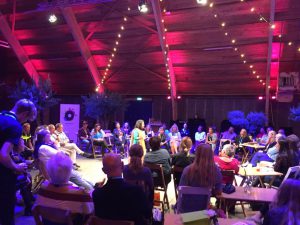
Standing on an international platform and speaking about a dream she had carried for years strengthened her belief that voices are never too small when people are given the opportunity to be heard.
The experience also became an important step in her personal growth.
Over the years, her journey with MasterPeace has connected her with people from different cultures and backgrounds, encouraged her to listen to perspectives different from her own, and helped her become more confident in expressing her ideas.
Most importantly, it helped her recognize the value of her own voice.
Her journey is a reminder that change does not always begin with something big.
Sometimes, it begins with an idea.
Sometimes, it begins with a connection.
Sometimes, it begins when someone gives you an opportunity to share what you believe in.
And sometimes, it simply begins with the courage to speak.
Looking back at her journey since 2012, Punam sees how much she has grown. Peace for People and MasterPeace gave her more than a space to dream. They gave her a platform from which she could share that dream with the world.
Her participation in the Great Minds Meeting in the Netherlands remains one of the meaningful milestones of that journey. But for Punam, the destination was never the point. It was another step in a much longer journey toward creating positive change.
Today, her dream of Quality Education for All remains as strong as ever.
She continues to carry forward the knowledge, relationships, experiences, and opportunities gathered along the way, using them to contribute to her community and inspire others to believe in the power of their own ideas.
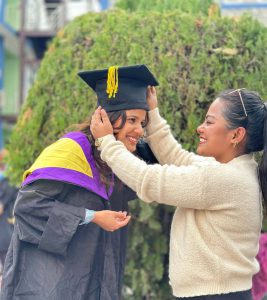
For Punam, MasterPeace is more than an organization or a network.
It is part of a journey that taught her to dream, believe in her voice, and have the courage to take that dream to the world.
And perhaps that is one of the most powerful forms of peacebuilding: creating spaces where people can discover that their voice matters—and giving them the opportunity to use it.
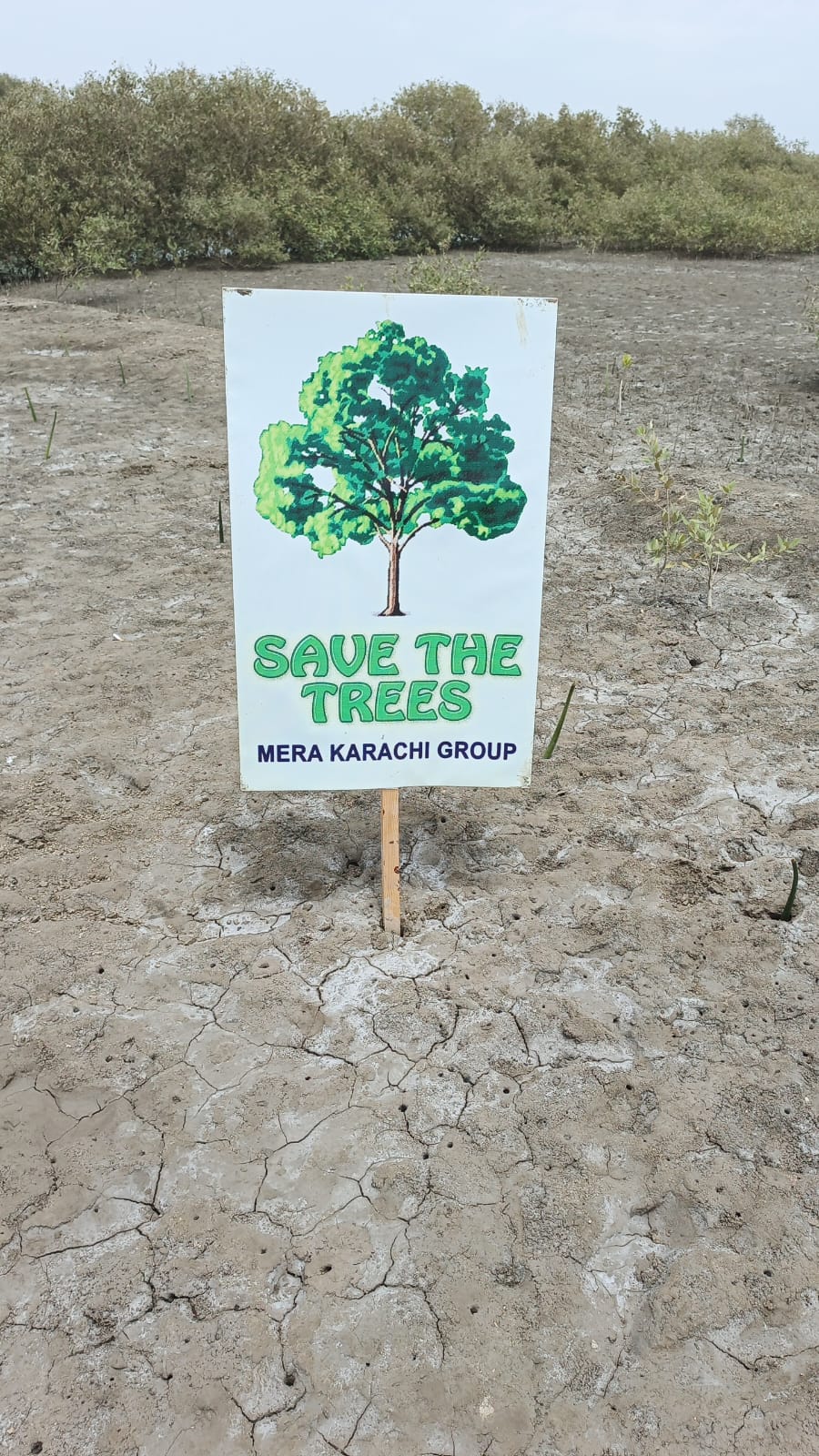
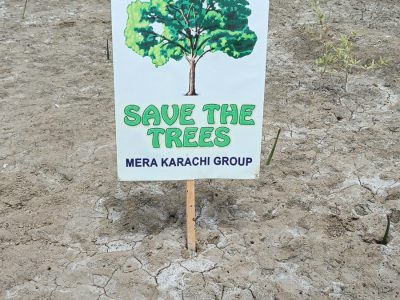
On 8 August 2026, MasterPeace Pakistan joined forces with Caritas Pakistan and Mera Karachi Group for a day of environmental action at Tor-Karachi Island, Karachi, planting an impressive 2,500 mangroves as part of a coastal ecosystem restoration initiative.
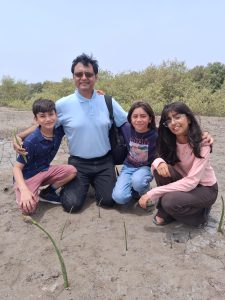
Reaching the island by boat, volunteers, families, young people, and community members came together to get their hands into the muddy coastal soil and take part in the plantation. Beyond simply planting trees, the activity offered participants an opportunity to experience firsthand the importance of protecting and restoring Karachi’s fragile coastal ecosystems.
A particularly inspiring part of the day was the involvement of children and young people. By turning environmental awareness into a hands-on experience, the initiative encouraged a new generation to see themselves as active custodians of their environment. Each mangrove planted became a small but meaningful contribution towards a healthier coastline and a more resilient future.
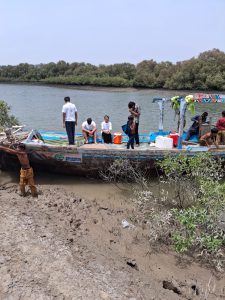
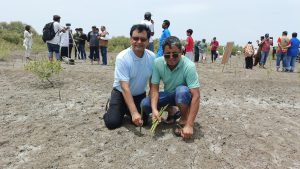
Mangroves play an important role in coastal ecosystems, supporting biodiversity, stabilizing sediments, and strengthening coastal resilience against erosion, storms, and climate-related impacts. The 2,500 mangroves planted at Tor-Karachi Island therefore represent more than a one-day achievement—they are an investment in the long-term health of Karachi’s coastline.
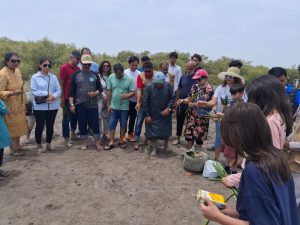
The initiative also demonstrated the power of collaboration for environmental action, bringing together civil society organizations, community groups, families, and young people around a shared commitment to Peace with the Planet.
One mangrove may look small today—but 2,500 mangroves can grow into a forest of hope for tomorrow.
- All
- Africa
- Americas
- Asia
- Europe
- Global
- Highlights
- MasterPeace Champions Series
- MasterPeace Impact Series
- My Music Competition
- Podcast
- Uncategorized