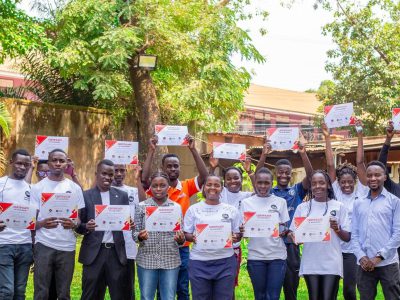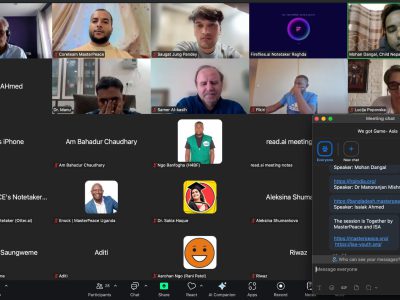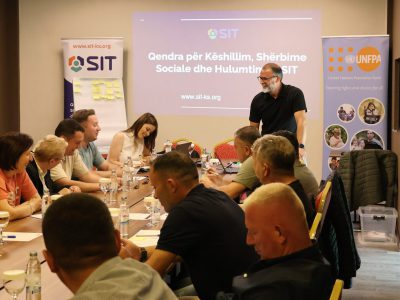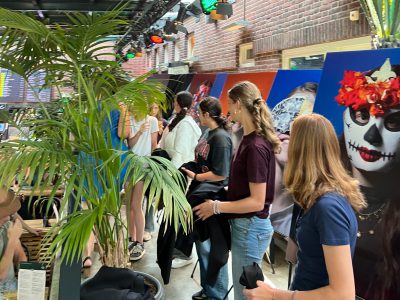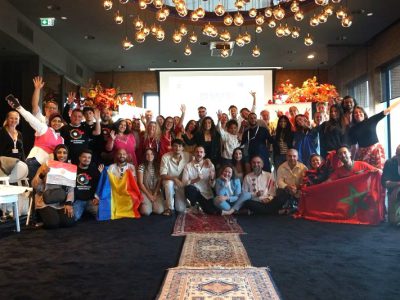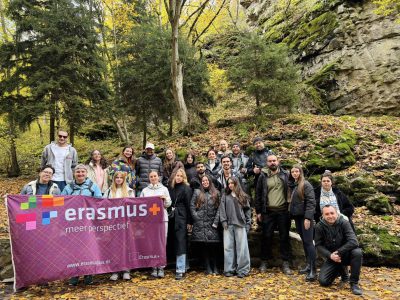
Igor from Croatia will tell you his MasterPeace story started with two things: music and art for peace. Simple as that. What he couldn't have told you in March 2014, when he walked into his first Bootcamp in the Netherlands, was where that beginning would take him.
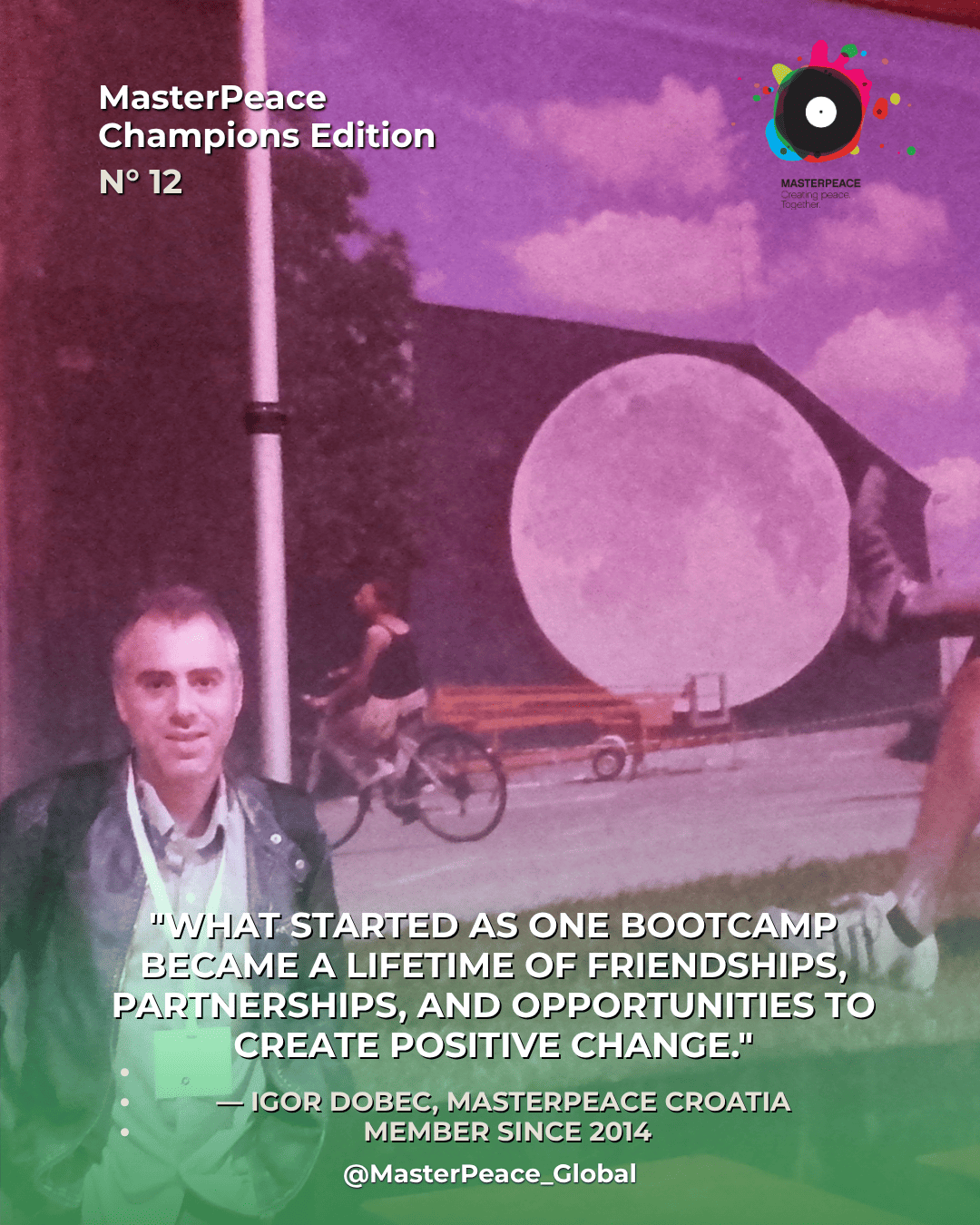
"What started as one Bootcamp became a lifetime of friendships, partnerships, and opportunities to create positive change."
That first Bootcamp left a mark. Meeting passionate people from all over the world, sharing ideas, creating together, and realising that everyone in that room wanted the same thing — to make their communities better — was, in his own words, an unforgettable experience. It's still the memory that comes to mind first when he thinks about his time with MasterPeace.
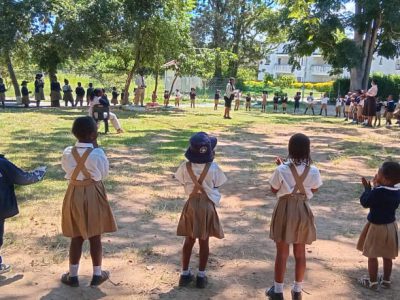
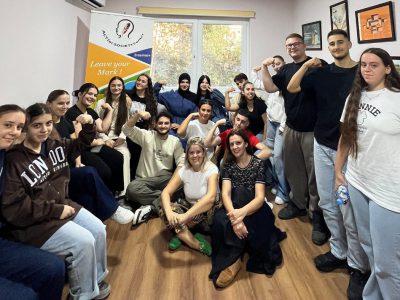
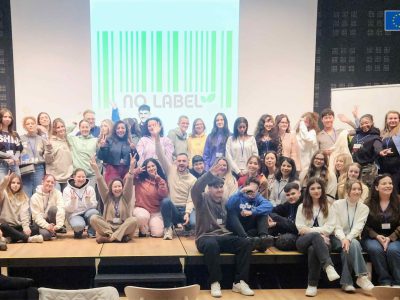
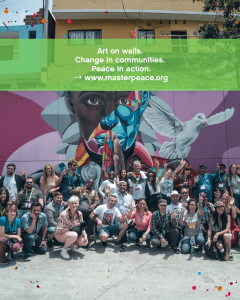
More than a decade later, Igor runs MasterPeace Croatia through his organisation LUMEN, and the scale of what's been built is striking. Youth exchanges, training courses, workshops, community art projects, local initiatives promoting active citizenship and intercultural dialogue — thousands of young people have come through these activities over the years.
One of the most visible marks MasterPeace Croatia left on their city is Walls of Connections — a project that brought together local and international artists to create permanent street art in public spaces, while connecting young people, artists, and everyday citizens in the process. The kind of thing you can still walk past years later.
"MasterPeace taught me that lasting change starts with local action. Even small initiatives can inspire an entire community when people work together with creativity, respect, and a shared vision."
From that foundation, Igor's involvement grew into coordinating international Erasmus+ partnerships — first as a partner in ACT for Liberty and DOUACT, and now, from 2024 to 2026, as coordinator of Halan We Grow, a project run together with MasterPeace Netherlands and partners from MENA countries, supporting young people through creativity and social entrepreneurship.
He reflects on the distance travelled since that first Bootcamp.
"Looking back at 2014, I could never have imagined that one day we would lead international partnerships and support organisations from Europe and the MENA region. That journey gave me confidence in my abilities as a leader and project manager."
The path wasn't without challenges. Keeping international cooperation alive through COVID-19, and later working alongside partners affected by conflicts in the MENA region, tested the network. But the MasterPeace community kept finding ways to stay connected, adapt, and support each other.
"That resilience showed me the true value of an international community."
What has changed most for Igor, beyond the projects and the partnerships, is how he thinks about peace itself.
"Peace is not only the absence of conflict — it's also about creating opportunities, dialogue, inclusion, and cooperation."
And then there are the friendships. People met through Bootcamps and projects who became close friends and trusted partners across different countries, who still visit each other and develop new initiatives together. For Igor, those relationships are among the greatest outcomes of his entire journey.
He sees that same ripple effect in the young people around him — more willing to volunteer, to travel, to believe they can make a difference. More connected to an international community than they would have been otherwise.
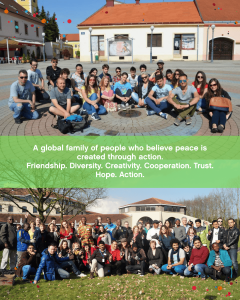
When he describes MasterPeace to someone new, he puts it simply: a global family of people who believe that peace is created through action.
His advice to anyone starting out?
"Be open to every opportunity, don't be afraid to step outside your comfort zone, and say yes to new experiences. The people you meet through MasterPeace may become lifelong friends and partners."
The words he reaches for when he thinks about MasterPeace: Friendship. Diversity. Creativity. Cooperation. Trust. Hope. Action.
Ten years on, all of them still ring true.
MasterPeace Champions Edition celebrates the people who've grown alongside the movement — and helped it grow in return.
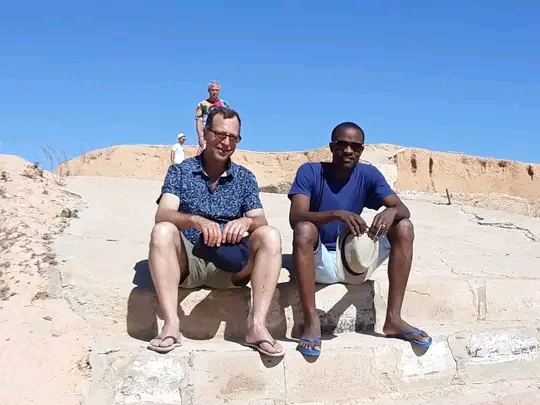
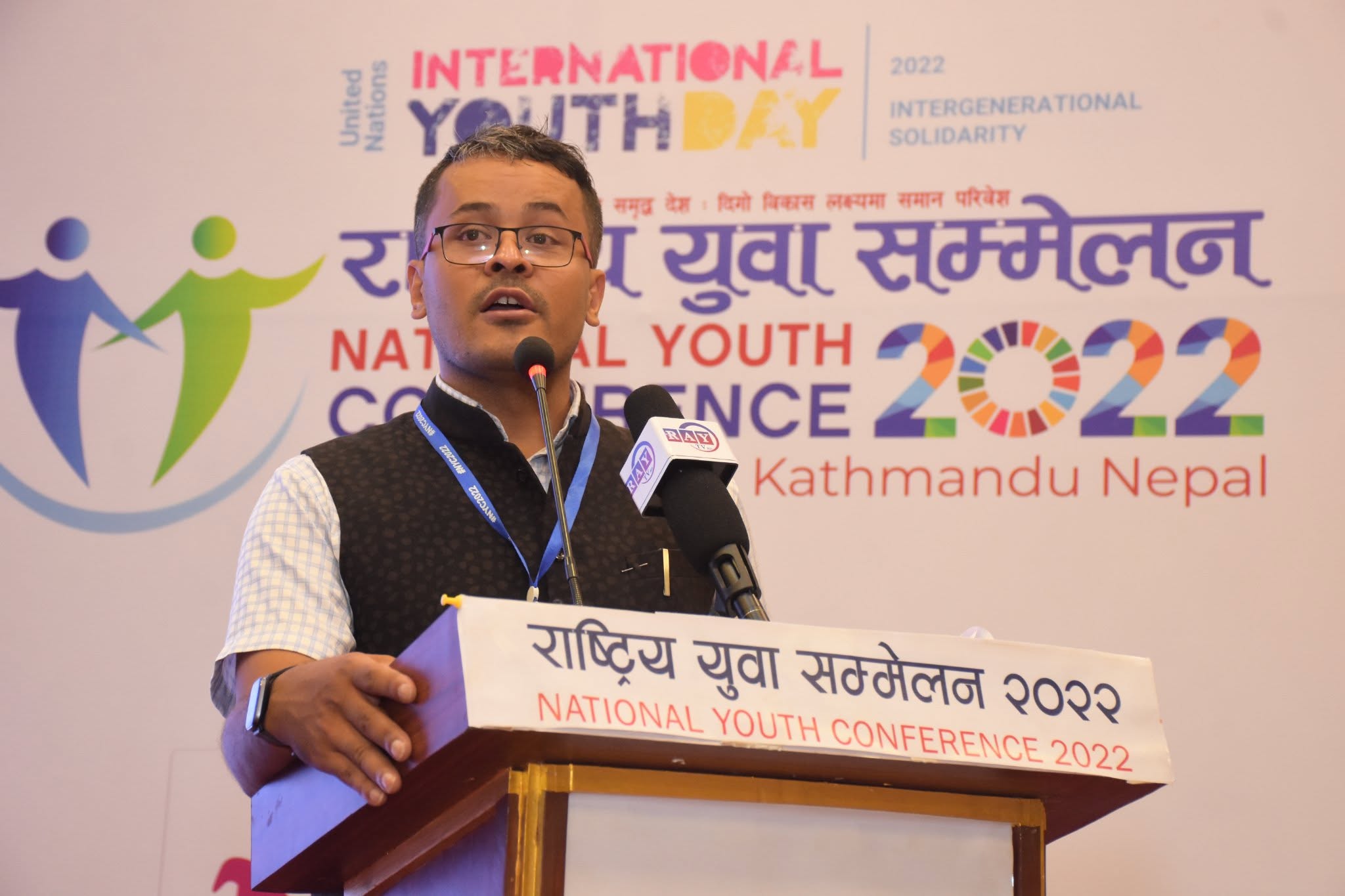
Meet Saroj Baniya: Empowering Young People to Lead Today
For Saroj Baniya, young people are not simply the leaders of tomorrow.
"They are innovators, entrepreneurs, peacebuilders, and decision-makers of today."
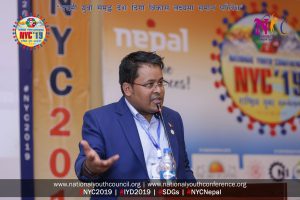
For more than sixteen years, Saroj has dedicated his career to creating opportunities that allow young people to discover their potential and become active contributors to society. Working at the intersection of youth leadership, technology, entrepreneurship, public policy, and social innovation, he has helped thousands of young people across Nepal develop the confidence, skills, and networks needed to drive meaningful change.
His journey began long before he became a nationally recognized youth leader.
As a child, Saroj was actively involved in school clubs and community organizations, where he first discovered the power of volunteerism and civic engagement. Those early experiences inspired a lifelong belief that leadership is not defined by titles, but by a willingness to serve others and create opportunities for communities to grow.
That belief led him to establish the Nepal Youth Council (NYC) in 2012.
What started as a vision to strengthen youth participation has grown into one of Nepal's largest youth networks, with active engagement across all seven provinces and seventy-seven districts. Under Saroj's leadership, the organization has empowered more than 10,000 young people through leadership development, entrepreneurship, digital literacy, civic engagement, and personal development programmes.
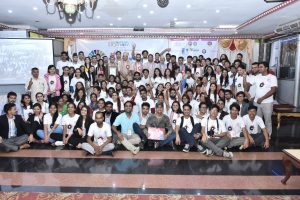
By bringing together government institutions, United Nations agencies, educational organizations, civil society, and the private sector, the Nepal Youth Council has created platforms where young people are not only heard but are actively shaping solutions for their communities.
Saroj's commitment to youth leadership extends beyond Nepal.
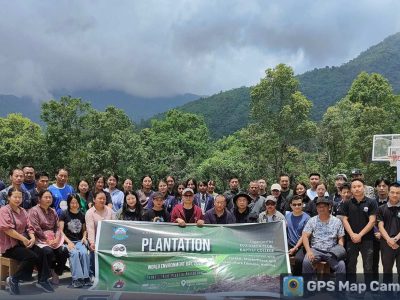
As Team Leader of MasterPeace Nepal, he has played a key role in strengthening regional collaboration and peacebuilding across Asia. Nepal successfully hosted both the first and second MasterPeace Asian Youth Bootcamps under his leadership, welcoming young changemakers from more than fifteen countries to exchange ideas, build partnerships, and collaborate on issues ranging from peacebuilding and climate action to entrepreneurship, innovation, and digital transformation.
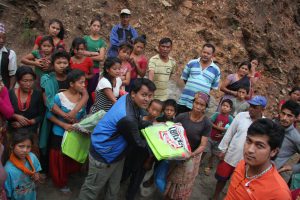
These experiences have reinforced his belief that while cultures and contexts may differ, young people everywhere share a common desire to create positive change within their communities.
One of Saroj's most significant contributions has been promoting youth participation in achieving the United Nations Sustainable Development Goals (SDGs).
Working alongside development partners, including UNDP, he led the nationwide SDGs Festival across all seven provinces of Nepal. The initiative empowered young people to identify local priorities and develop province-specific Youth Action Plans, which were formally presented to Provincial Governments and Provincial Planning Commissions. Through this work, he has consistently advocated for meaningful youth participation in public policy, local governance, climate action, innovation, and sustainable development.
His commitment to creating impact also extends into the digital world.
With over sixteen years of professional experience in digital marketing, strategic communications, business development, and digital transformation, Saroj has supported businesses, startups, development organizations, and nonprofits in strengthening their digital presence and expanding their social impact. By combining technology with community development, he continues to demonstrate how digital innovation can become a powerful tool for sustainable change.
Saroj has also represented Nepal on international platforms, including the UN ECOSOC Youth Forum in New York and the UN Sendai Conference on Disaster Risk Reduction in Japan, ensuring that the voices, ideas, and aspirations of Nepali youth contribute to global conversations on development, resilience, and peace.
Alongside his work as a practitioner, he is also an author and mentor. Through his motivational book सम्भव छ (It Is Possible) and his upcoming publication Youth, Tech and Change, Saroj encourages young people to embrace leadership, innovation, and lifelong learning while believing in their own ability to create change.
The impact of his work is reflected not only in numbers but in the communities and young leaders it has inspired. More than 50,000 young people have participated directly in leadership and development initiatives, over 600,000 have been reached through campaigns and digital outreach, and hundreds of community, national, and international programmes have been implemented through partnerships that continue to strengthen Nepal's youth ecosystem.
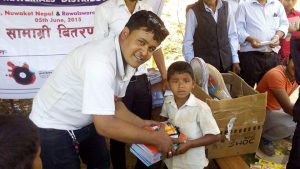
Yet, beyond these achievements lies a simple philosophy.
Saroj believes that every young person deserves the opportunity, confidence, and platform to turn their ideas into action. By connecting grassroots communities with governments, development partners, businesses, and international networks, he continues to champion a future where young people are not waiting for change—they are leading it.
Through his work with the Nepal Youth Council, MasterPeace, and countless national and international initiatives, Saroj Baniya reminds us that empowering young people is one of the most powerful investments we can make in building peaceful, inclusive, and sustainable societies.
- All
- Africa
- Americas
- Asia
- Europe
- Global
- Highlights
- MasterPeace Champions Series
- MasterPeace Impact Series
- My Music Competition
- Podcast
- Uncategorized