Hasanabdal, Pakistan, March 28, 2026
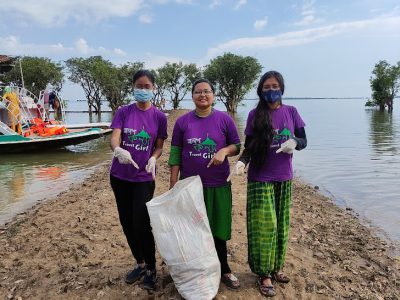
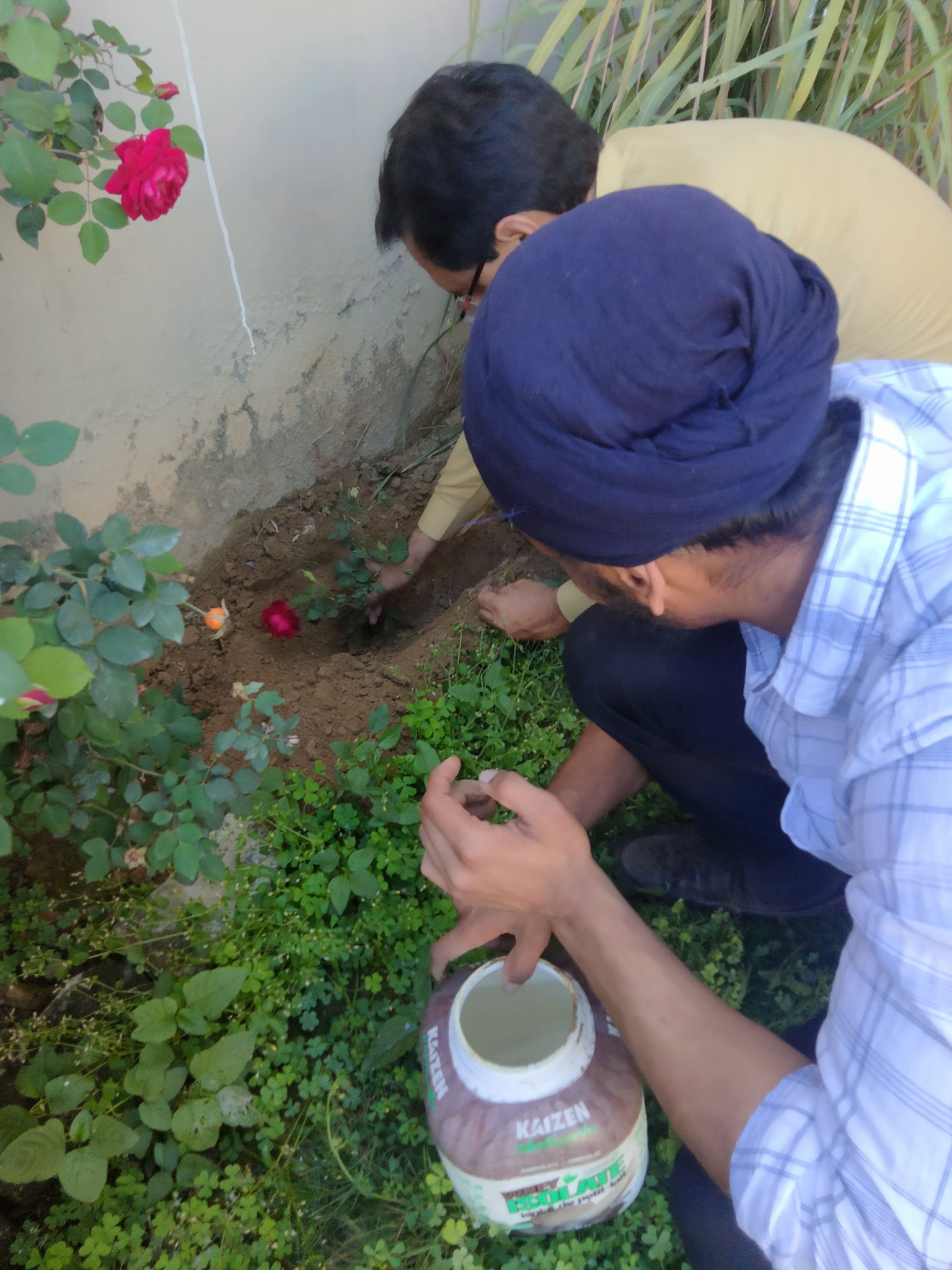
MasterPeace Pakistan officially launched its Tree Plantation Campaign 2026 in Hasanabdal, Pakistan, reaffirming its commitment to environmental sustainability and a more community-driven climate action.
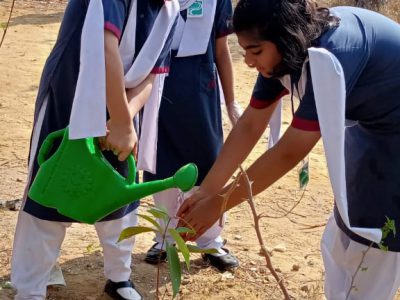
The campaign brought together dedicated volunteers and community members who participated enthusiastically in planting saplings and promoting environmental responsibility. Among the active volunteers were Jaytegh Singh and Gurmail Singh, whose efforts reflected the spirit of unity, teamwork, and care for the environment.
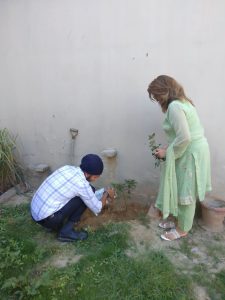
The activity focused not only on planting trees but also on encouraging long-term sustainability practices. Participants worked together in digging, watering, and carefully placing saplings to ensure healthy growth and long-term impact. A variety of plants, including roses, were selected to help enhance local biodiversity and contribute positively to the surrounding ecosystem.
The campaign created a heartwarming atmosphere as participants worked side by side with a shared goal of protecting nature and building a greener future for coming generations.
Message of Peace and Sustainability

The Tree Plantation Campaign is part of MasterPeace Pakistan’s broader mission to promote peace through meaningful environmental action. By encouraging communities to take practical steps toward climate change mitigation, the initiative aims to inspire responsibility, hope, and collective action for a more sustainable future.
Looking Ahead
The 2026 campaign began with great energy and enthusiasm, and MasterPeace Pakistan plans to continue and expand similar plantation activities throughout the year. Through these efforts, the organization hopes to contribute to a healthier environment and a more sustainable Pakistan for future generations.
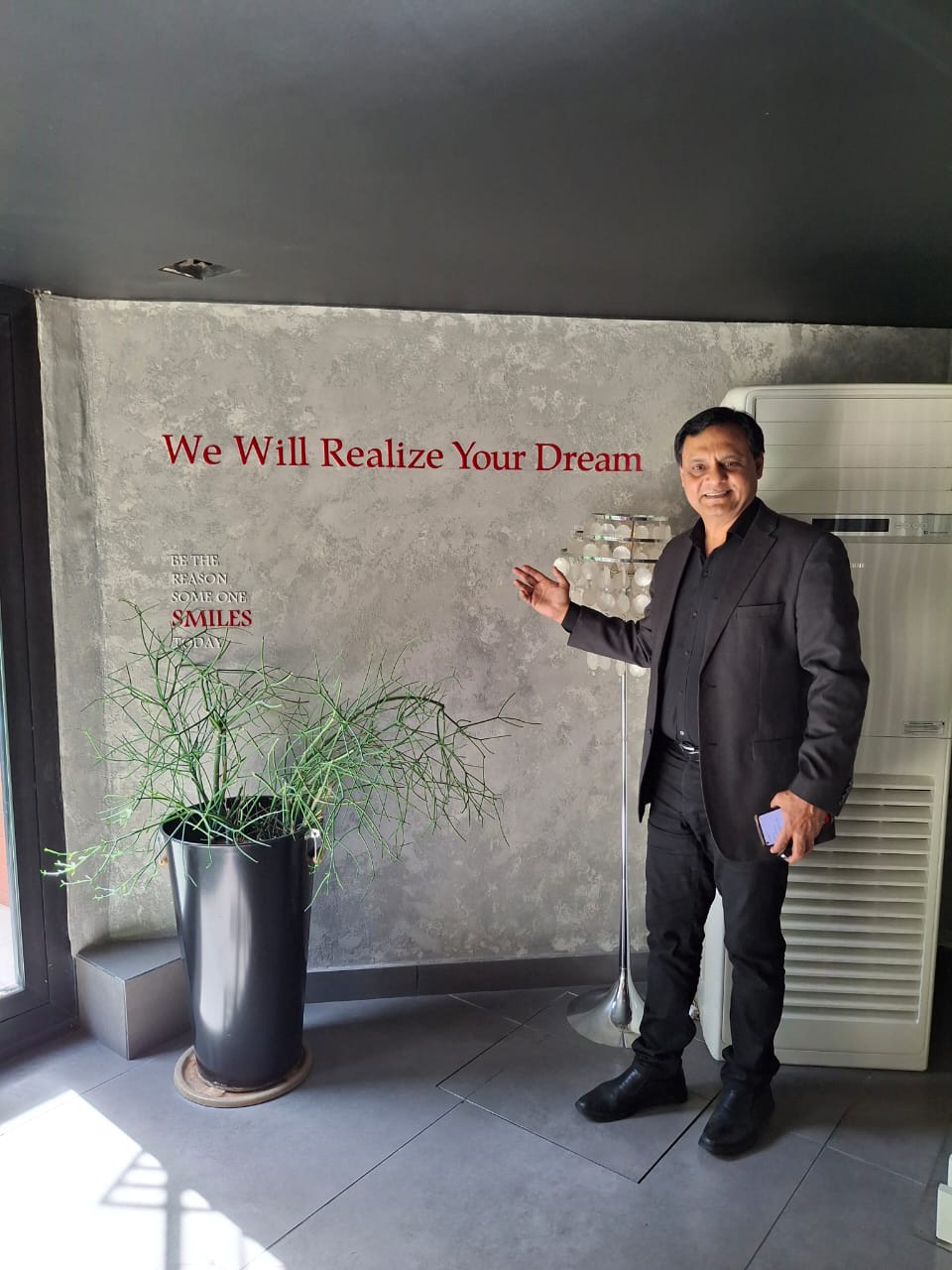
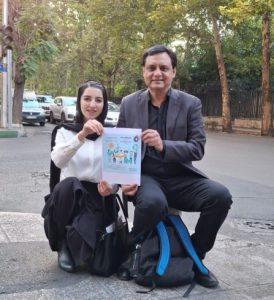
For the first time, World International Peace Day 2025 was celebrated in Tehran, Iran on 21st September 2025, marking a meaningful moment of unity, hope, and dialogue among youth, business representatives, and members of civil society.
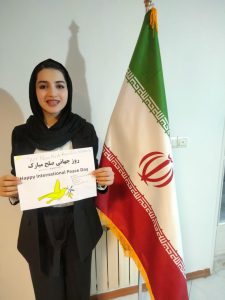
The event was organized by MasterPeace Pakistan and led by Kelash Sarhadi, Peace Ambassador and Founder of the Society of Human Development. The celebration was conducted in Tehran as part of MasterPeace’s global movement, bringing together participants from across the city to share a collective message of peace, understanding, and cooperation.
Among the attendees was Asian, a young social activist and student from Tehran University, who showed strong interest in joining the MasterPeace movement after the event. This reflects the growing enthusiasm among young people in Iran to engage in global peace initiatives and connect beyond borders.
Speaking on the occasion, Kelash Sarhadi said:
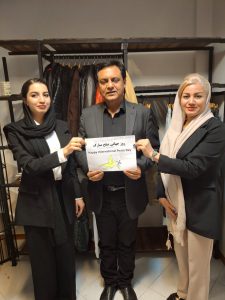
“The people of Iran are some of the most hardworking and peace-loving individuals I have ever met. The youth are energetic, welcoming, and eager to move beyond barriers to connect with the world through peace and progress. It is a true honor to celebrate World Peace Day here in Tehran.”
The event concluded with a shared commitment to strengthening intercultural understanding and collaboration between Iranian youth and the global peace community. Participants expressed optimism for a future built on dialogue, respect, and shared humanity.
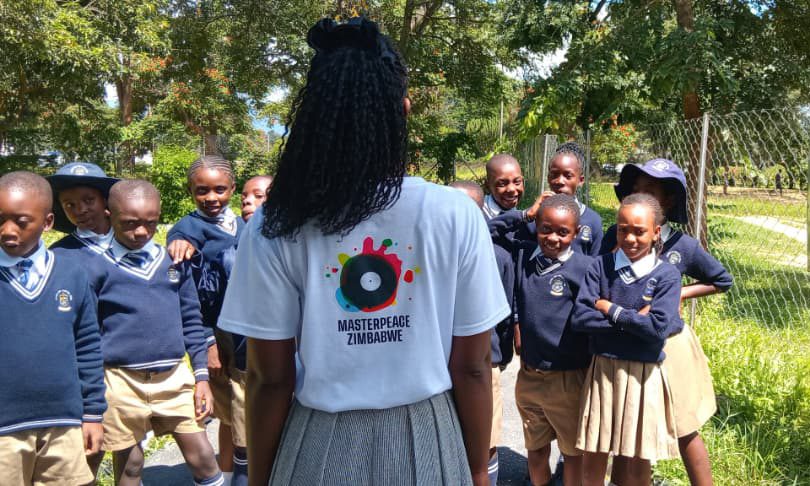
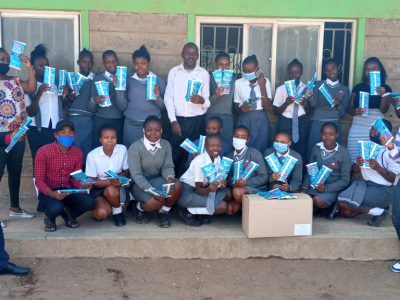
Mwana Trust Zimbabwe is a community-based organization located in Mutare, dedicated to promoting peace, non-violence, and unity among children and young people. Through the implementation of peace clubs in local primary and secondary schools, the organization creates spaces for dialogue and interactive learning. Its work is driven by a strong belief that young people can become ambassadors of peace within their schools and communities when given the right tools and support.
This year, Mwana Trust MasterPeace Zimbabwe is especially proud of its project “Voices of Peace in Action.” Through this initiative, the organization established and strengthened peace clubs across schools in its operating area. The project proved to be both cost-effective and well-supported by school administrations and students, making it easier to engage learners and deliver meaningful peace education. The main objective was to address growing challenges such as bullying, conflict, and even suicidal thoughts among students. By creating safe spaces for discussion and reflection, the initiative contributed to reducing conflict and promoting positive behavior among learners.
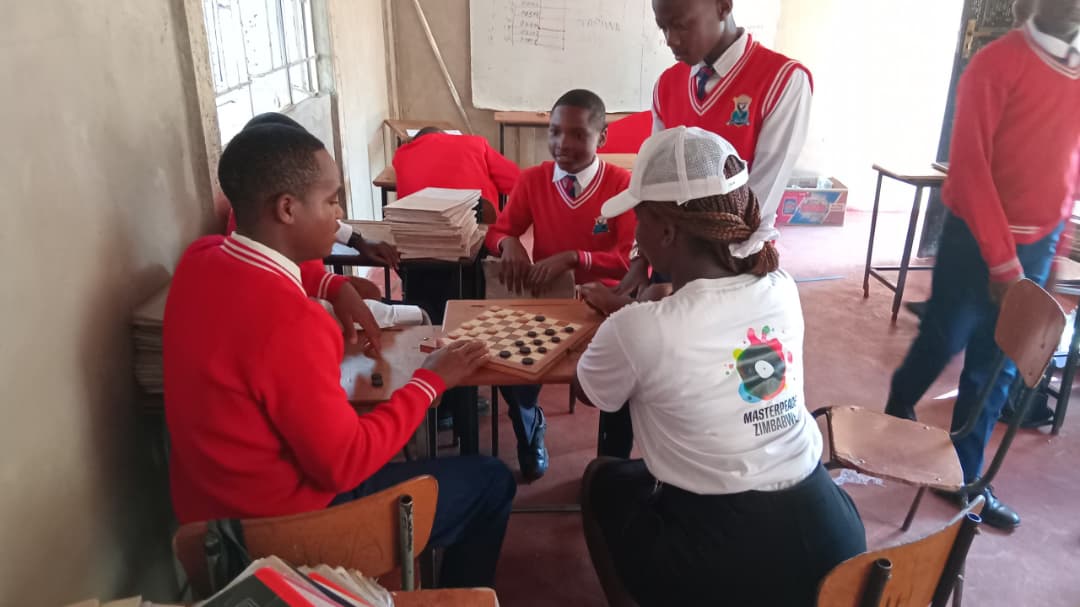
The project was designed in response to an urgent need for more peaceful and supportive learning environments. Many students struggle with managing emotions, resolving conflicts, and maintaining healthy peer relationships. Through structured sessions, learners from different age groups were given the opportunity to explore these challenges and develop practical skills for building peace within themselves and their surroundings. Their enthusiasm and openness to learning highlighted how important and timely this intervention was.
One inspiring example comes from Keisha, a student at Rock of Ages High School. She shared how the sessions helped her better manage her anger, as she used to be short-tempered. Her story reflects the deeper impact of the project — not just in theory, but in real-life behavioral change.
“Before joining the peace club, I’d explode over tiny things. One day, a classmate, Kerry-Paula, pushed me in line and I almost fought her. But then I remembered our peace educator’s words: ‘Pause, breathe, and choose.’ I took a deep breath and calmly told her how I felt,” Keisha said.
This moment illustrates how the lessons learned in the peace clubs are being applied in everyday situations. It shows that when young people are equipped with the right tools, they are capable of making conscious, positive choices that contribute to a more peaceful environment.
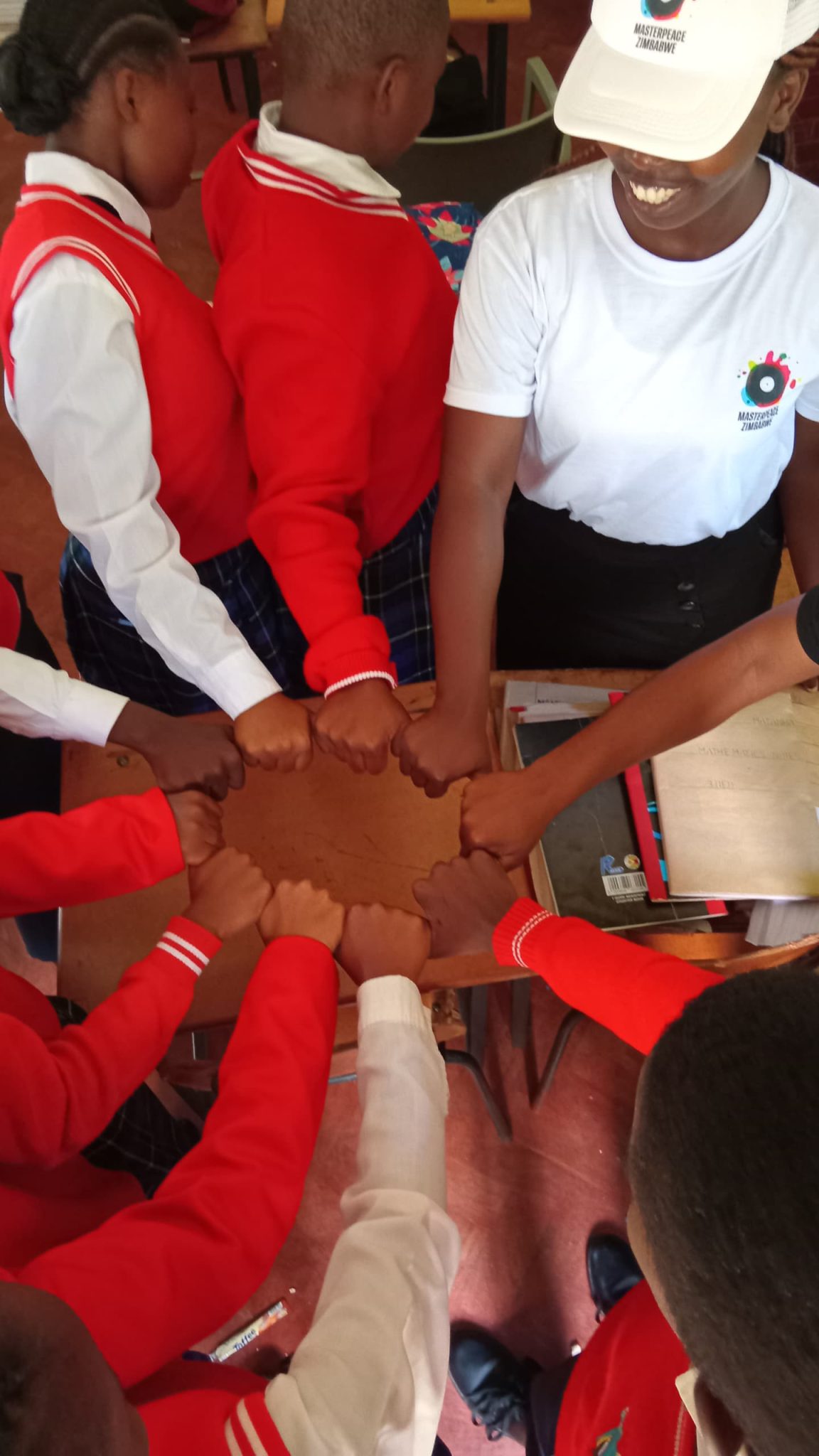
Mwana Trust’s work is also closely connected to the global MasterPeace network. Through its peace clubs, the organization contributes to a worldwide movement that promotes dialogue, tolerance, and non-violence. By sharing tools, experiences, and learnings with other countries, local actions in Zimbabwe become part of a larger collective impact. This connection reinforces the idea that even small initiatives at the community level can contribute to global change.
Being part of this international network gives Mwana Trust a strong sense of belonging. It connects their efforts in Mutare to a global community of changemakers who are working toward the same vision of a more peaceful world. Through these exchanges, they are reminded that their work matters and that their impact goes beyond their immediate environment.
Looking ahead, Mwana Trust envisions schools and communities where peace, respect, and understanding are not just ideals, but everyday practices. Their dream is to see empowered young people leading positive change as ambassadors of non-violence in their homes, schools, and society.
Their message for the future is simple yet powerful: peace begins with each one of us — through our words, actions, and attitudes. By working together, communities can become stronger, safer, and more united, creating a foundation for lasting peace for generations to come.
- All
- Africa
- Americas
- Asia
- Europe
- Global
- Highlights
- MasterPeace Champions Series
- MasterPeace Impact Series
- My Music Competition
- Podcast
- Uncategorized