
Change does not begin in laboratories. It begins in classrooms and in the quiet moment when a girl starts to believe she belongs there.
Across Europe, girls still face invisible barriers in Entrepreneurship, Science, Technology, Engineering, Arts, and Mathematics (ESTEAM). Not because they lack ability, but because confidence is shaped early, by role models, by language, by what they are told is “for them.”
Girls Self-ESTEAM was born from that understanding.
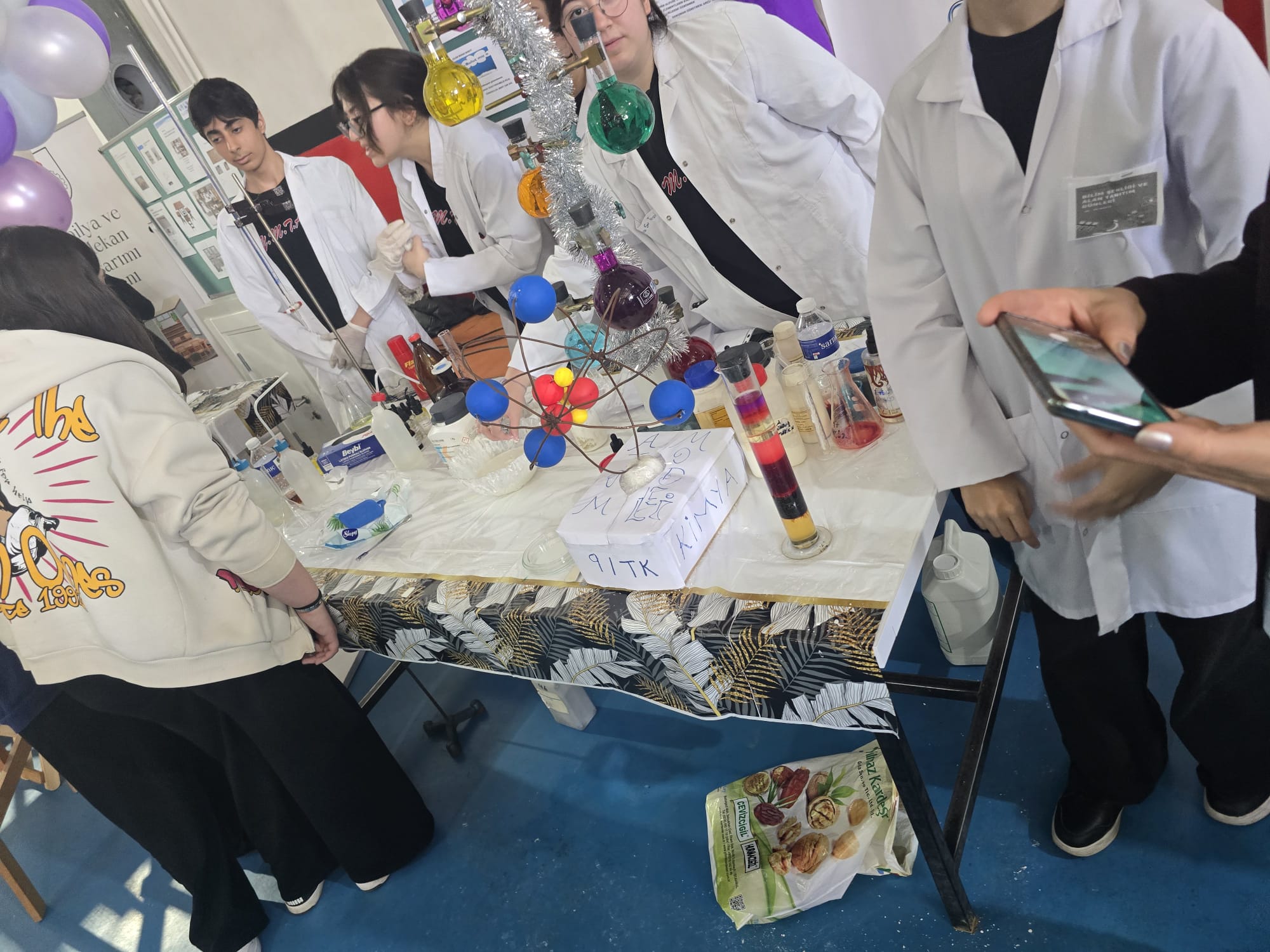
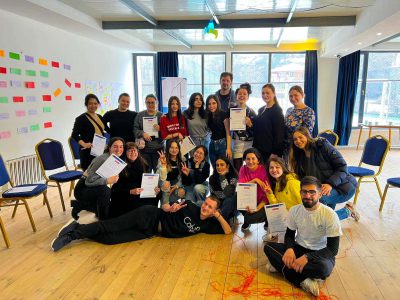
Through a partnership spanning multiple European countries (Netherlands, Greece, Cyprus, Italy, and Turkey), educators, innovators, and communities came together with one simple intention: create environments where girls can see themselves in ESTEAM, not as exceptions, but as the future.
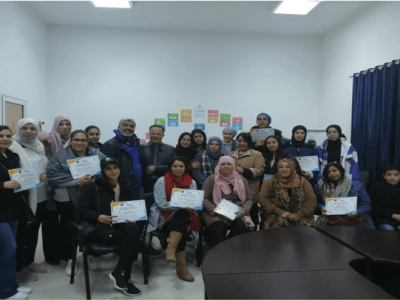
The project started with teachers. Together, partners developed a practical, gender-sensitive curriculum designed not to add pressure, but to open doors. Modules were tested, translated, localized, and refined with educators who know their classrooms best. More than sixty teachers were trained, carrying these tools back to hundreds of students.
{https://emuseum.girlsselfesteam.eu/courses/training-modules/}
But learning becomes powerful when it is visible. That is why the Female Role Model Interactive e-Museum became the heart of the project. More than seventy women from diverse ESTEAM fields shared their journeys, not only their achievements, but their doubts, challenges, and turning points. {https://emuseum.girlsselfesteam.eu/insiping-stories/}
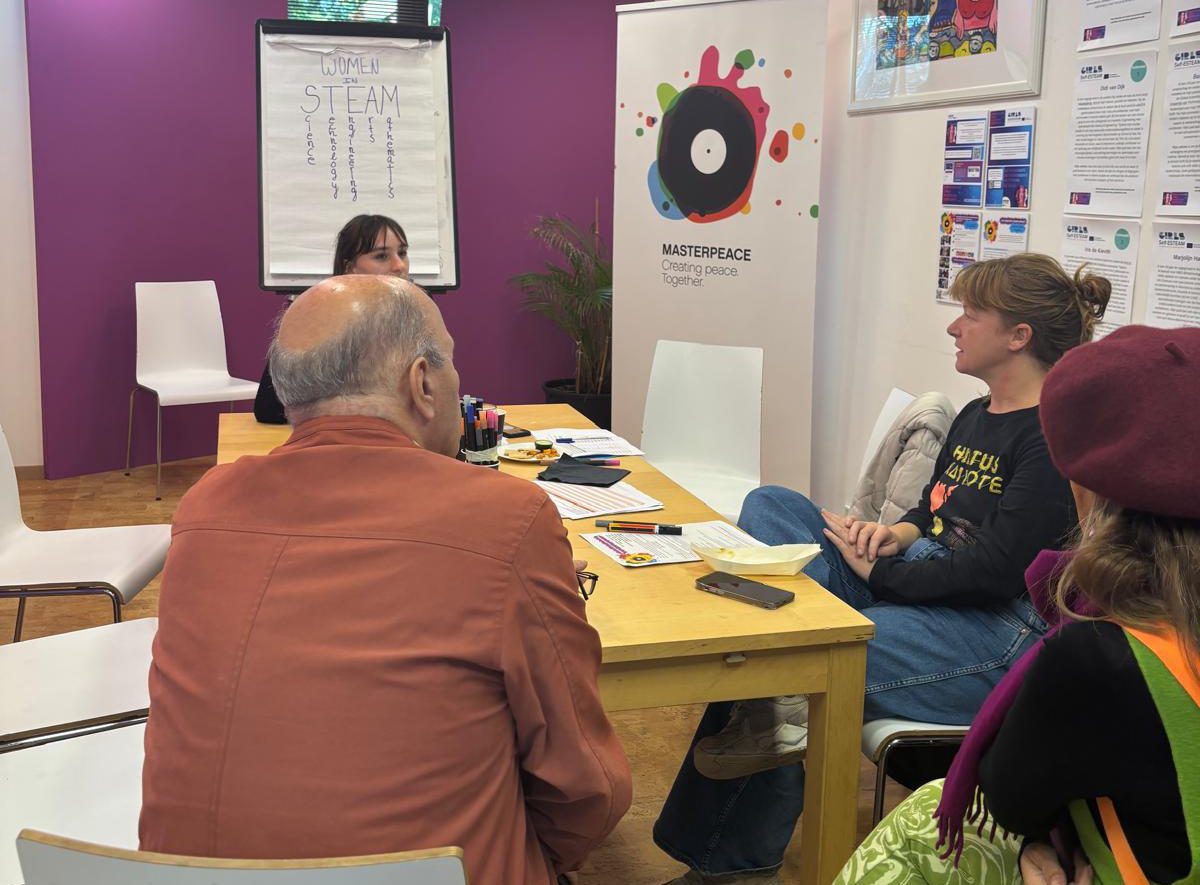
For many girls, this was the first time they encountered someone who looked like them and worked in fields they had never considered possible.
During one of the capacity-building camps, a participant reflected after exploring the platform: “Now I feel like maybe I can too.” It is in sentences like that where impact lives.
Across camps, trainings, and the final festival, more than five hundred participants engaged directly with the project. They explored robotics, sustainability, innovation, coding, and creativity. They asked questions. They debated stereotypes. They designed ideas. Most importantly, they spoke up.
And something shifted.
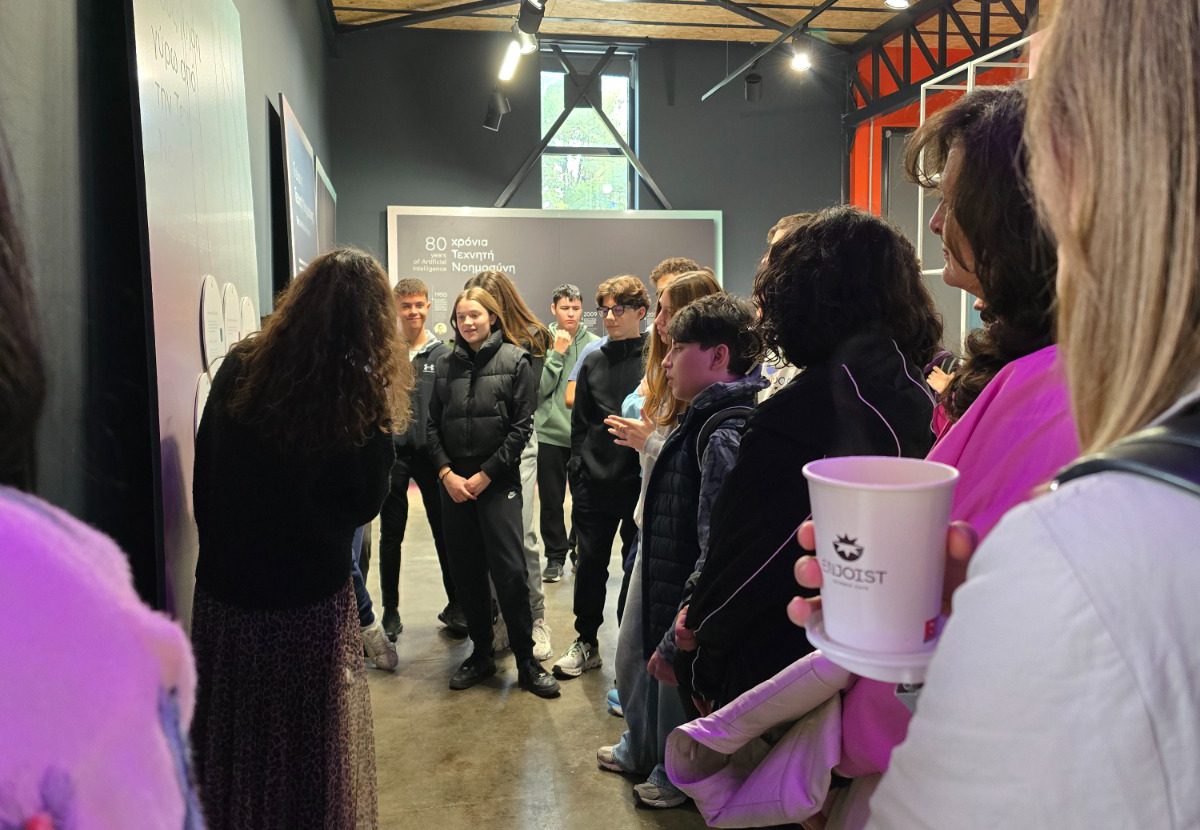
Confidence is not always loud. Sometimes it shows up in a raised hand. A new ambition. A decision to enroll in a course. A teacher who changes how she frames a lesson.
While rooted in local schools and communities, Girls Self-ESTEAM is part of a larger European story. Through the MasterPeace network, lessons learned travel beyond borders. The curriculum, the modules, and the e-Museum remain open and accessible, ready to inspire new classrooms, new projects, and new generations.
The work does not end with funding. It continues in conversations, in lesson plans, in shared platforms, and in the confidence of girls who now see possibility where doubt once stood.
Because when a girl believes she belongs in science, in innovation, in leadership — she does not just change her own path.
She expands what is imaginable for everyone around her.
This story is part of the MasterPeace Impact Series — where we share not only what we did, but why it matters.
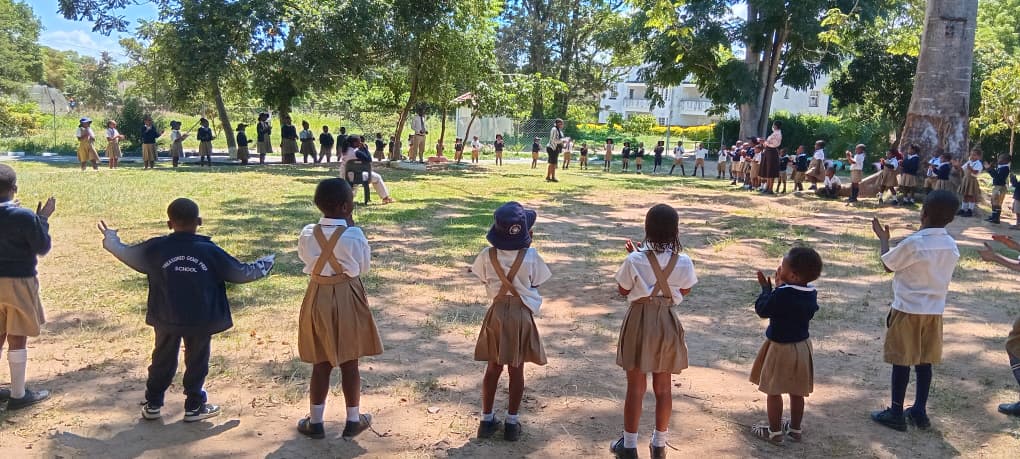
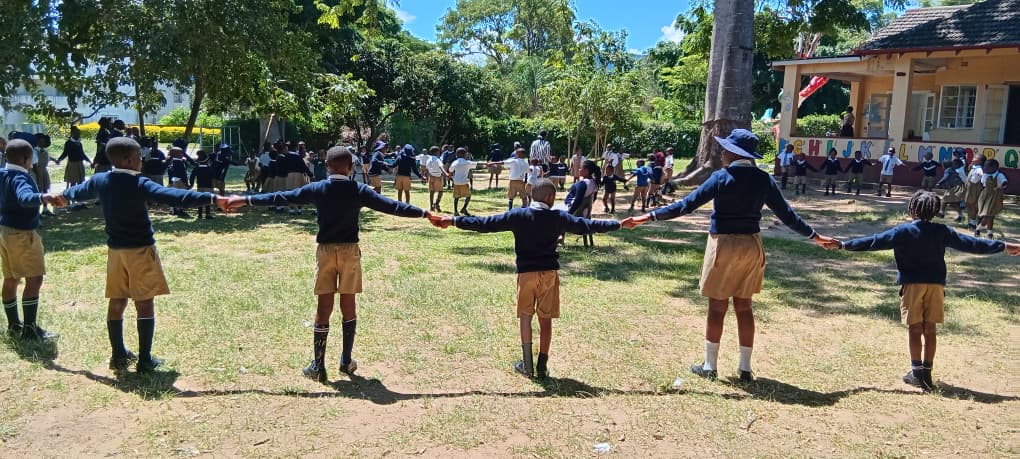
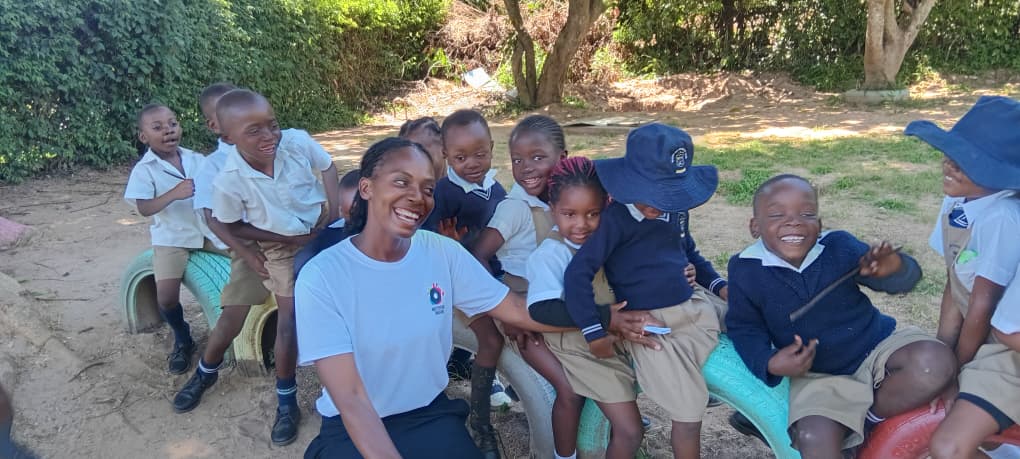
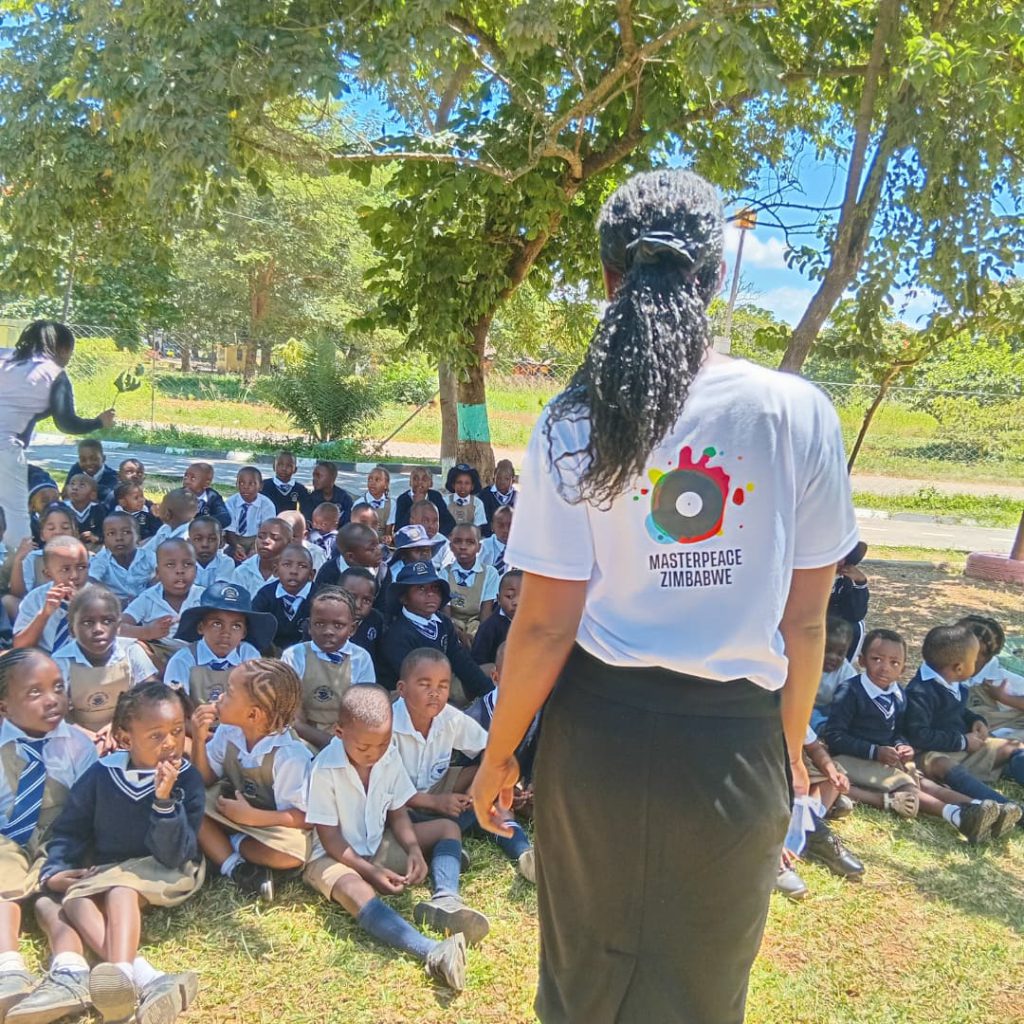
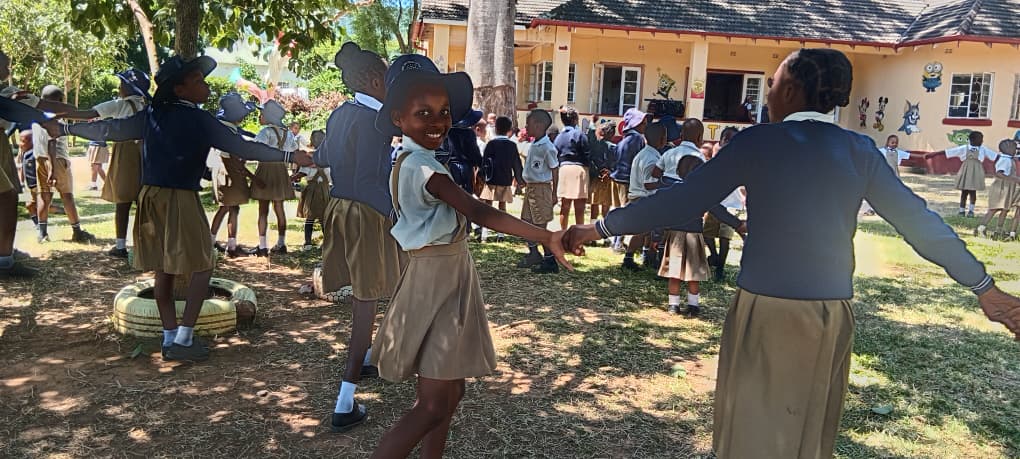
Engagement Report: Masterpeace Zimbabwe Visit to Kindness Crew Peace Club at Treasured Gems Preparatory School on 11 February 2026.
Masterpeace Zimbabwe had an inspiring engagement session with the Kindness Crew Peace Club at Treasured Gems Preparatory School, located in Mutare — the fourth, largest city in Zimbabwe, Africa. The school visit marked a significant step in our ongoing efforts to promote peaceful coexistence and equip young learners with essential conflict resolution skills.
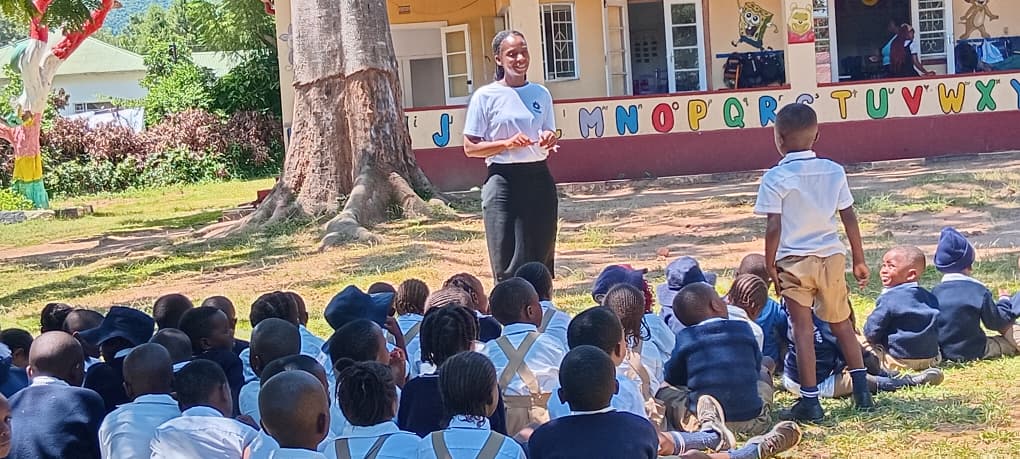
Participants
The interactive session brought together six teachers and fifty-six pupils aged between 3 - 11 years, comprising both boys and girls. The pupils represented diverse communities across Mutare — an urban area where issues such as bullying, suicidal thoughts, and community conflict are common. This reinforced the importance of our peace education and mentorship initiatives.
Session Focus
The day’s theme centered on Conflict Resolution and Management. The Masterpeace Zimbabwe Pioneers held an engaging discussion with the learners on how to address conflicts constructively and peacefully.
Key points emphasized during the session included: The importance of using non-violent communication, including speaking calmly and listening attentively during disagreements.
The power of apology and forgiveness as effective tools to restore harmony and resolve misunderstandings.
Learners were reminded that apologizing not only helps end a conflict but also signifies accountability and maturity, showing that one is willing to accept and correct mistakes.
Activities and Engagement
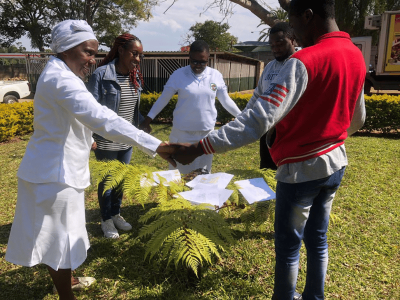
To reinforce teamwork and unity, the session included a lively icebreaker game, where participants formed a circle and held hands to symbolize oneness and collaboration. This activity built trust and created a sense of togetherness among the learners and facilitators.
Outcomes and Reflections
The session proved highly successful. Many pupils confidently shared what they had learned, expressed curiosity through thought-provoking questions, and reflected on how they could apply these lessons in their
daily lives. Teachers and club members expressed appreciation for the visit and committed themselves to promoting the message of peace — both within their homes and school community.
The positive reception and active participation of the young learners reaffirmed Masterpeace Zimbabwe’s mission to nurture a generation that values dialogue, empathy, and peaceful conflict resolution.
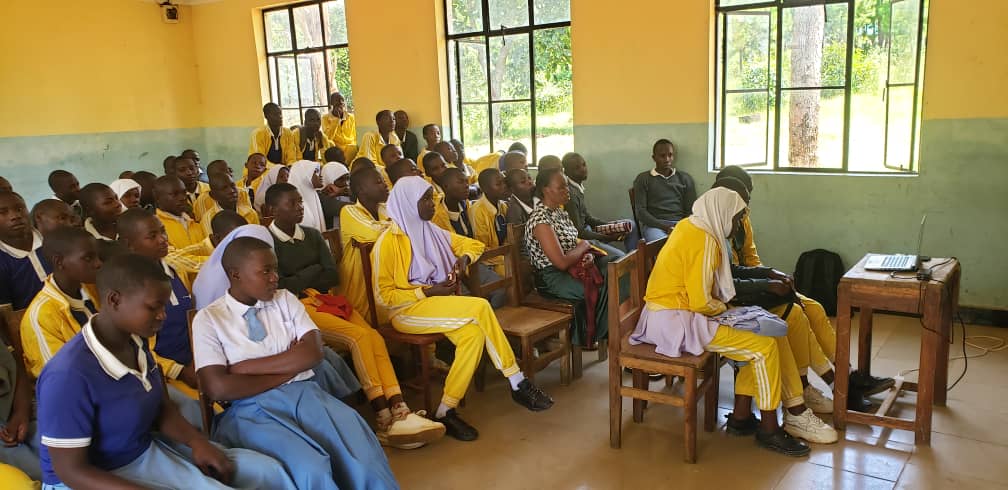
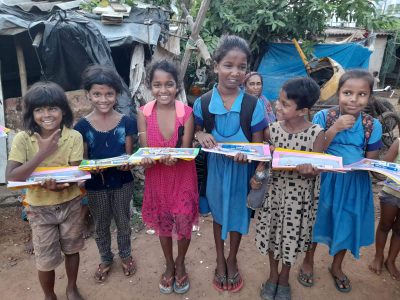
In the rural landscapes of Biharamulo District in the Kagera Region of Tanzania, PALES (Participatory Livelihoods Improvement, Ecology and Sanitation) — also known as MasterPeace Club–Tanzania — is creating pathways for community-driven transformation. As a community-based organization, PALES works at the intersection of sustainable agriculture, women’s empowerment, and environmental protection. Its mission is rooted in participatory, climate-smart, and locally led approaches that strengthen smallholder farmers and amplify the voices of women and youth. Through its initiatives, the organization nurtures resilient livelihoods while promoting peaceful, inclusive communities built on dignity and opportunity.
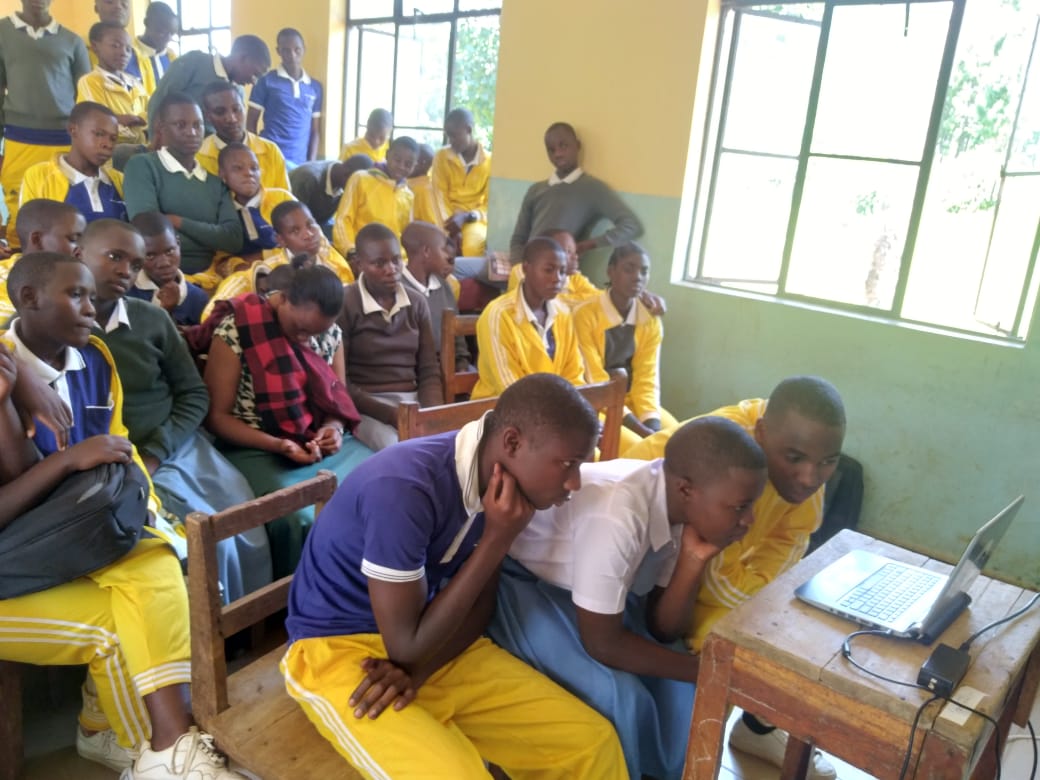
One of the projects PALES is most proud of this year is a pilot digital learning initiative implemented in partnership with SIMA Academy. Through this collaboration, the organization introduced short, thought-provoking films from the SIMA Academy platform to community learners. These films focused on key social, environmental, and livelihood-related themes relevant to daily life in rural Tanzania.
The idea behind the project emerged from a clear and pressing need. Many rural learners — particularly women and young people — have limited access to engaging, high-quality educational content. Traditional training sessions, while valuable, often rely heavily on lectures and may struggle to sustain attention or spark deep discussion. PALES recognized that learning needed to be more interactive, relatable, and inspiring.
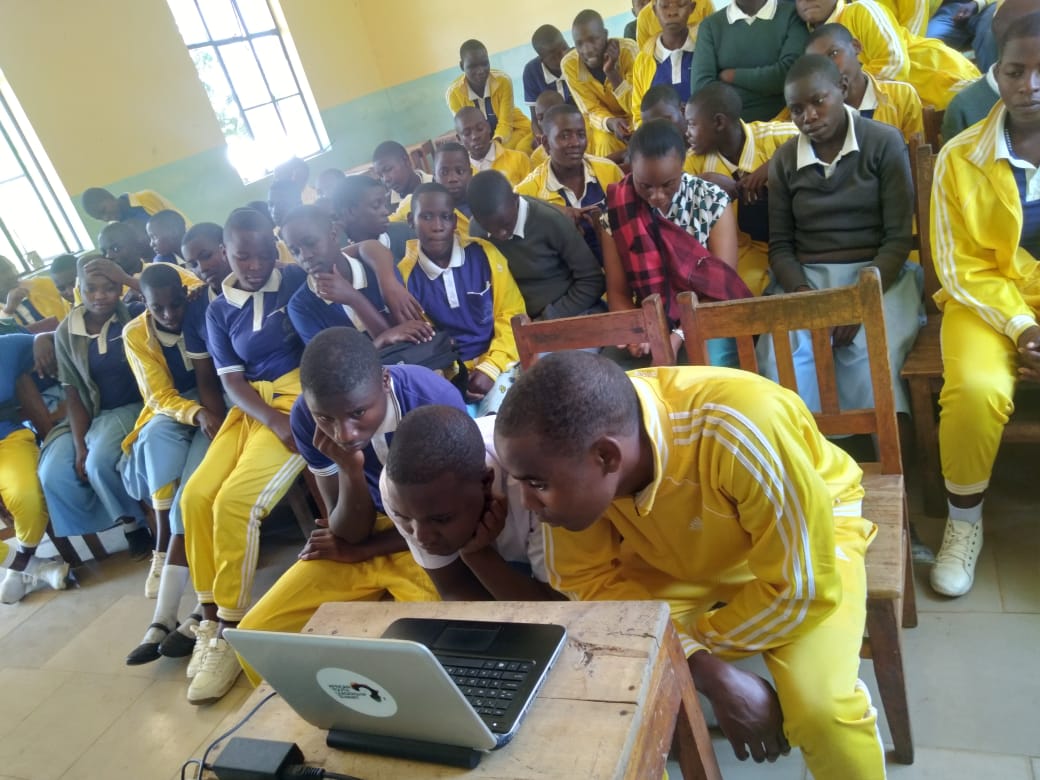
By screening culturally relevant films and facilitating guided discussions afterward, the initiative transformed passive viewing into active learning. The films served as conversation starters, encouraging participants to reflect on their own realities, question assumptions, and explore new ideas. In community halls and shared spaces, learners gathered not only to watch but to exchange perspectives, share personal experiences, and collectively identify solutions. The approach proved to be low-cost and accessible, yet highly impactful in stimulating critical awareness and community-led dialogue.
Beyond digital learning, PALES’ broader programs continue to touch lives in tangible ways. One powerful example is the story of Jonesia Bahati, a smallholder farmer and mother from Biharamulo District. For years, repeated malaria episodes kept her family trapped in cycles of illness, medical expenses, and lost productivity. Each malaria season brought fear and financial strain.
Her turning point came when she joined PALES’ Artemisia project. Through hands-on training, she learned how to cultivate Artemisia on her own farm and prepare Artemisia tea safely for malaria prevention and early response. This knowledge reduced the frequency of clinic visits and treatment costs, giving her greater control over her family’s health.
“Before this training, malaria was something we feared every season,” Jonesia shared. “Now I feel confident because I understand how to use Artemisia from my own farm to protect my family. I spend less money on medicine and more time working on my farm.”
The benefits extended far beyond improved health. With renewed confidence, Jonesia began sharing her knowledge with other women in her village. She became a peer educator, helping normalize affordable, community-based health solutions rooted in local knowledge. Her journey reflects the essence of PALES’ work: empowerment that starts with practical skills but grows into leadership and collective resilience.
As MasterPeace Club–Tanzania, PALES sees its local efforts as part of something much larger. The organization is deeply connected to the global MasterPeace network through shared values of nonviolence, community-led action, and creative approaches to social change. While their work is firmly rooted in Biharamulo — supporting smallholder farmers, empowering women, and protecting the environment — they know they are contributing to a global movement that believes peace is built through dignity, opportunity, and collaboration.
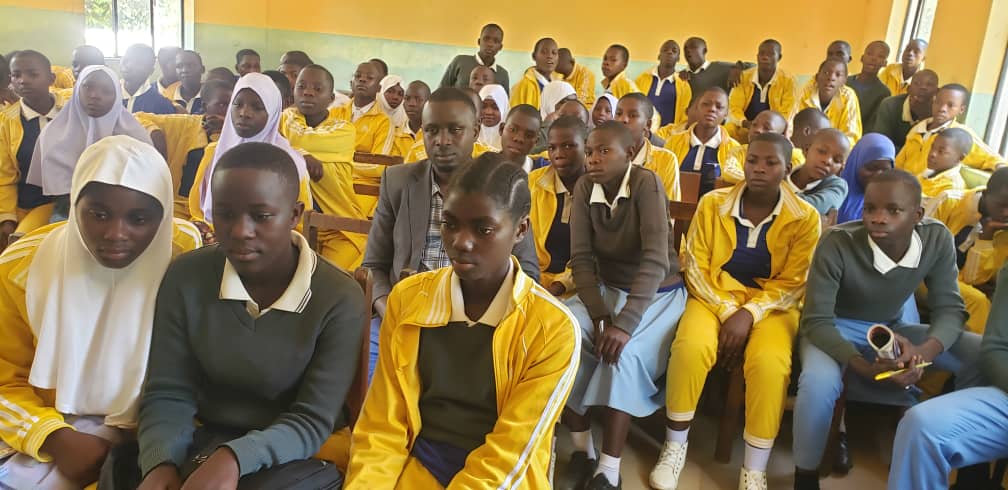
Exchanging stories, tools, and lessons with other MasterPeace clubs reinforces this sense of belonging. It is a reminder that local challenges are often shared across borders, and that solutions developed in one community can inspire action in another. When connected, grassroots initiatives gain greater strength and visibility, transforming local change into global impact.
Looking ahead, PALES envisions communities that are self-reliant, peaceful, and proud stewards of their land. They dream of women and youth confidently leading sustainable agriculture, protecting natural resources, and shaping local solutions. They see smallholder farmers thriving through climate-smart practices, knowledge flowing across generations, and grassroots innovation influencing broader systems of change.
Above all, their message remains clear: real transformation begins at the community level. When local action is nurtured, supported, and connected to global solidarity, lasting peace and sustainability become possible.
This story is part of the MasterPeace Impact Series where we share why people join, why they stay, and how change grows through connection.
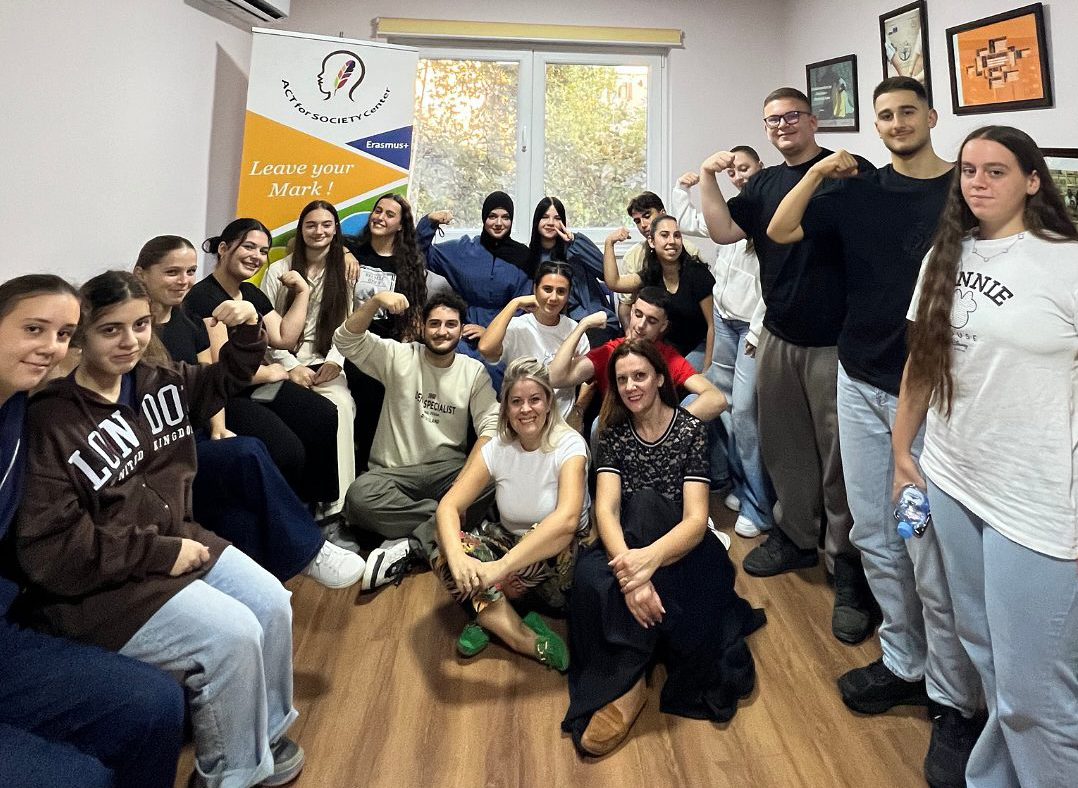
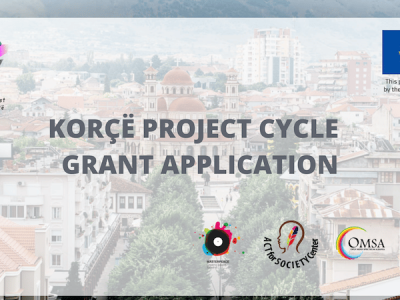
“Act for Society believes that when young people are given space, trust, and creativity, they can reshape their communities.”, this is how !
Act for Society is committed to empowering young people across Albania to become confident agents of change. By creating safe and supportive spaces, the organization encourages youth to raise their voices, turn ideas into concrete action, and work together to create meaningful impact in their communities.
To achieve this vision, young people are supported by international development partners such as UNFPA, Sweden, Italy, MasterPeace, EU and others, whose continuous commitment helps provide resources, mentorship, and opportunities for growth.
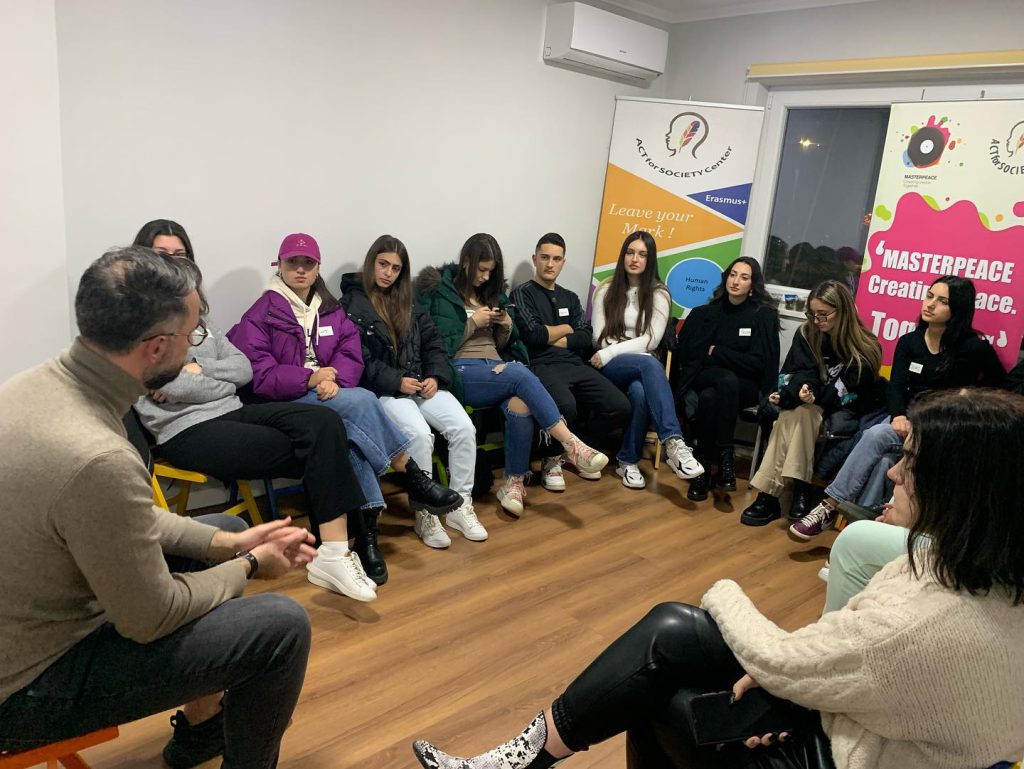
By organizing creative workshops, public activities, and youth-led initiatives, Act for Society addresses important topics such as respect, equality, healthy relationships, and non-violence. Through a powerful combination of dialogue, creativity, and community engagement, young participants gain the tools and confidence they need to turn their ideas into actions that improve the lives of those around them.
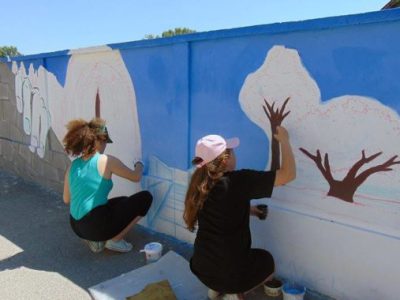
This year, the organization expanded its workshops and community activities into new cities and communities, offering safe spaces for discussions around respect, equality, and non-violence. Across different cities in Albania, more than 1,200 young people went even further by organizing a painting exhibition, using art as a medium to express their perspectives and spark conversations about positive change.
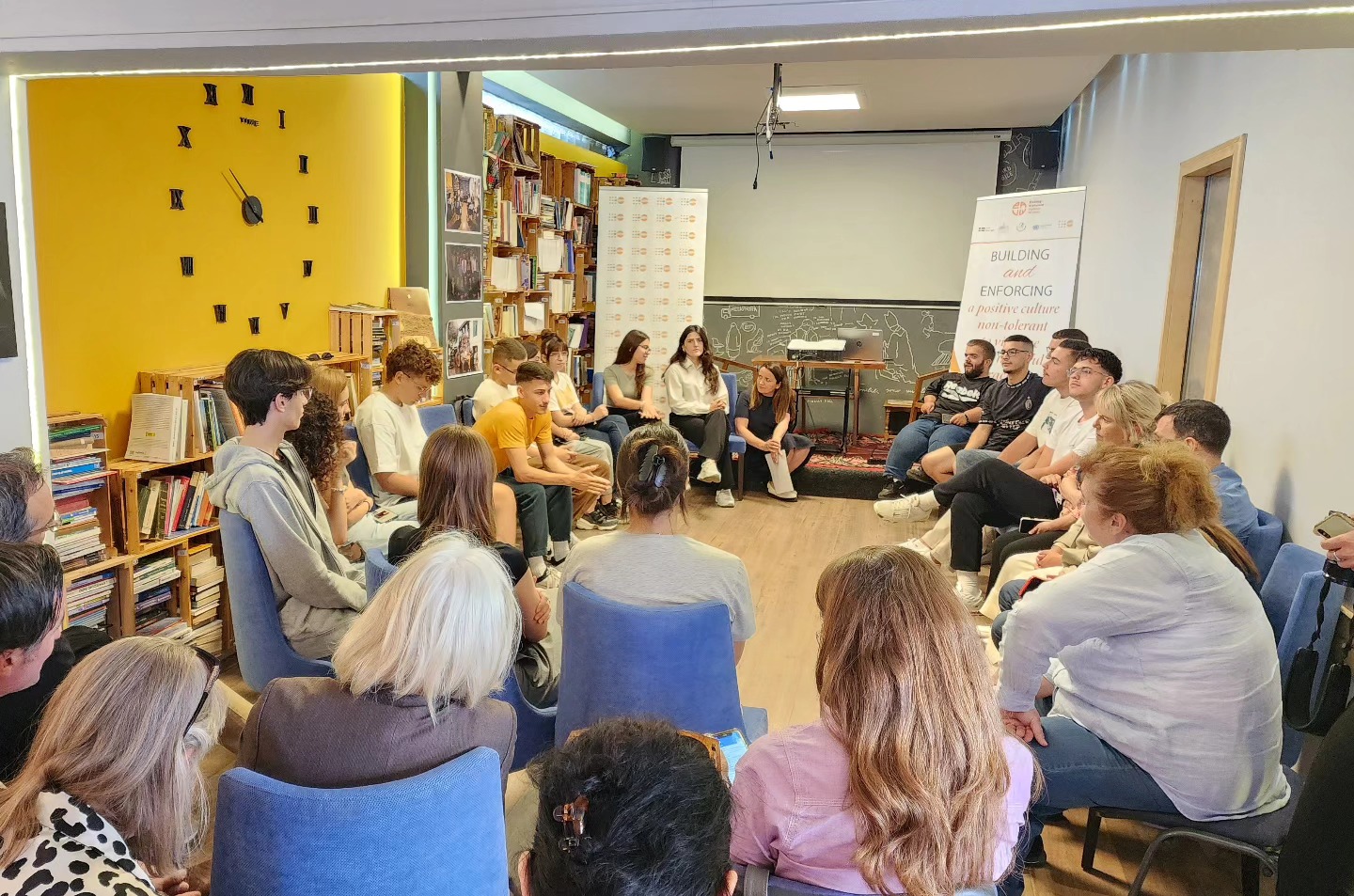
Each initiative — whether a workshop, a creative activity, or a community project — demonstrated that even small actions can create meaningful impact. These experiences reinforced a powerful message: young people have the ability to inspire their communities and transform ideas into action.
For many participants, the experience was deeply personal. One young participant shared that before joining the workshops, they often remained silent when witnessing injustice or disrespect. Through creative activities, however, they discovered that art could become their voice. Painting, writing, and performing allowed them to express emotions they previously struggled to share. They realized that creativity could open conversations and encourage small yet important changes within their community.
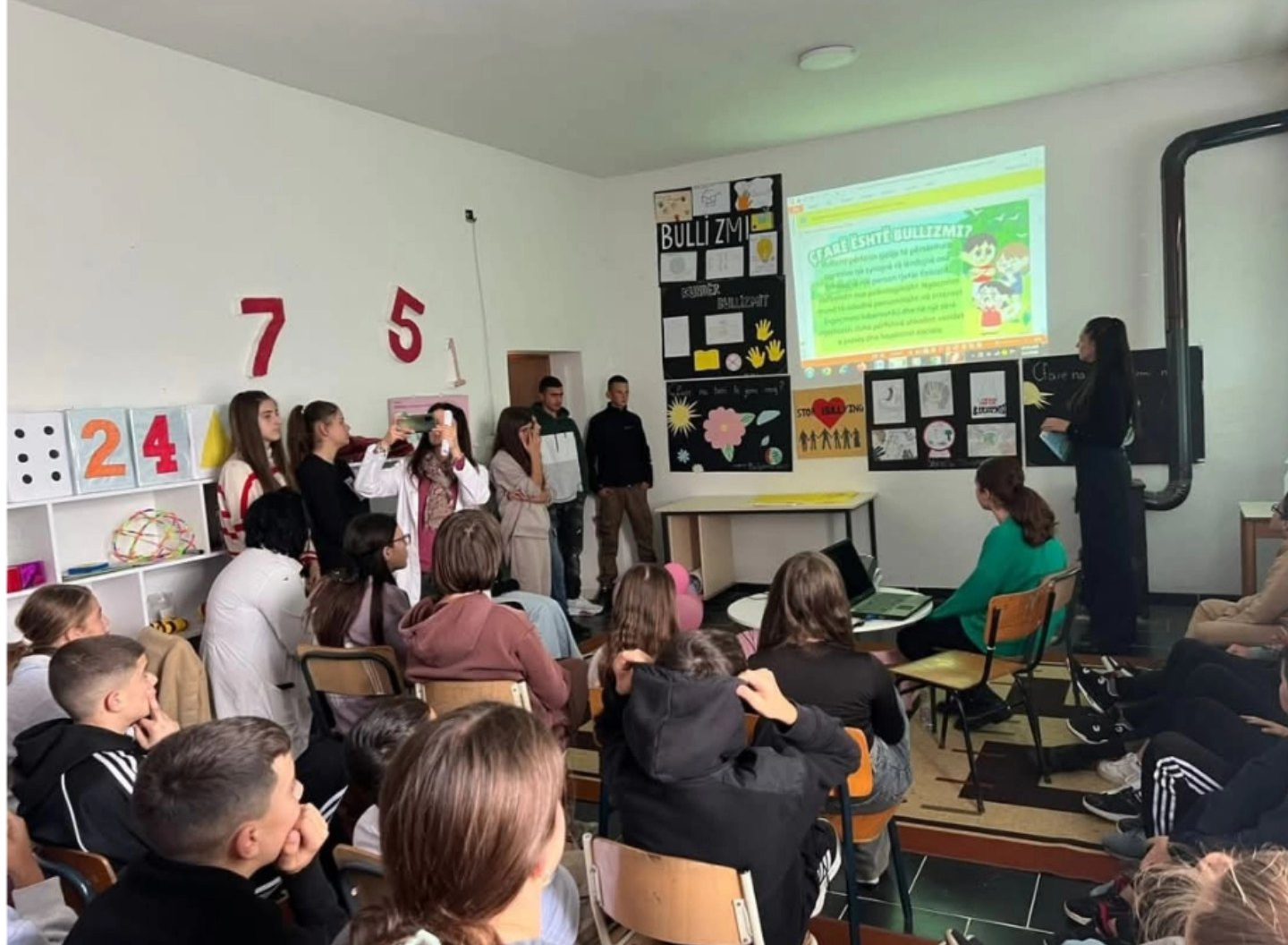
Artivism did not only influence their surroundings — it transformed them personally. They became more confident, more aware, and braver. Today, they use creativity to speak up, support others, and turn ideas into action — not only for themselves, but for their entire community.
The impact of the initiative extended beyond local communities. Through online sessions and international exchanges, participants connected with peers from other countries, sharing experiences, challenges, and ideas. These interactions helped them understand that local actions can carry global significance. A small project in one community can inspire change far beyond national borders.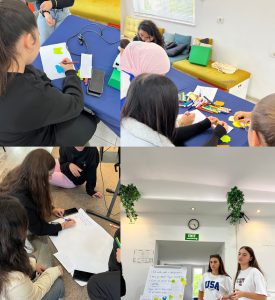
By witnessing how creativity and courage create impact elsewhere, young people recognized that every voice matters. Together, they saw how youth around the world can contribute to building a stronger, more respectful, and peaceful future.
Looking ahead, the vision is clear: to see every community empowered by confident, creative, and active young people, where dialogue, respect, and non-violence are valued in everyday life. The goal is to expand workshops, creative initiatives, and youth-led actions to reach even more cities and communities.
By continuing to support youth creativity and engagement, communities can become spaces where every voice matters and every idea holds the power to create lasting change.
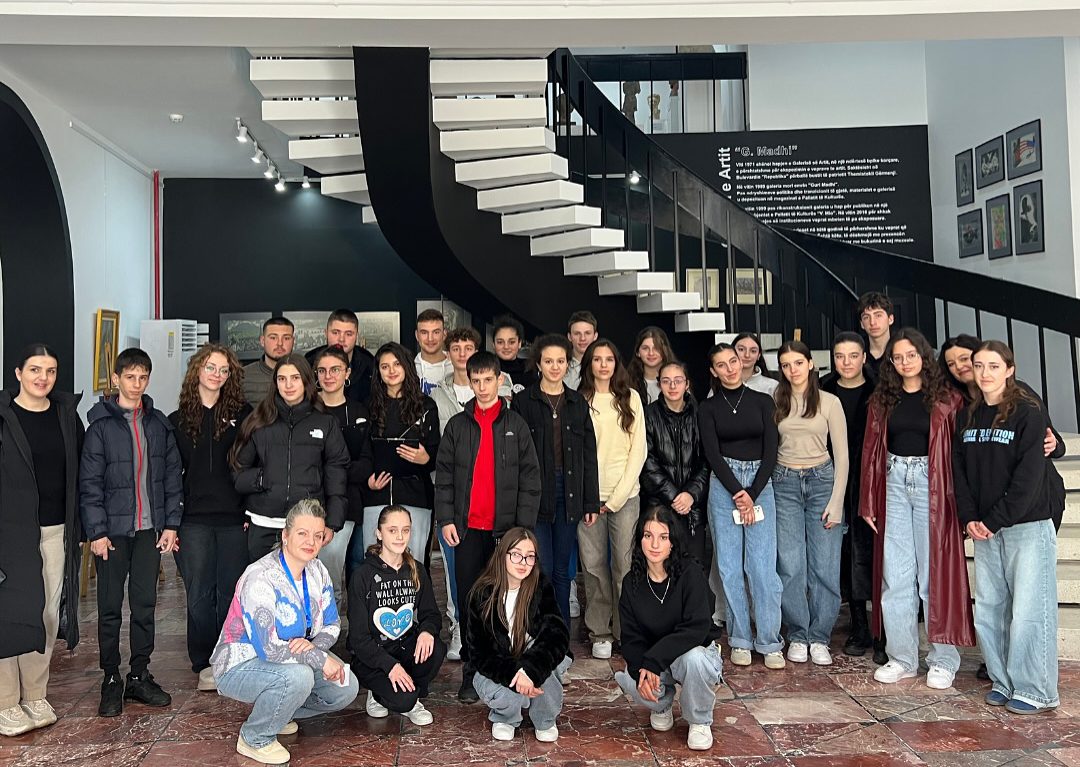
This story is part of the MasterPeace Impact Series where we share why people join, why they stay, and how change grows through connection.
- All
- Africa
- Americas
- Asia
- Europe
- Global
- Highlights
- MasterPeace Champions Series
- MasterPeace Impact Series
- My Music Competition
- Podcast
- Uncategorized