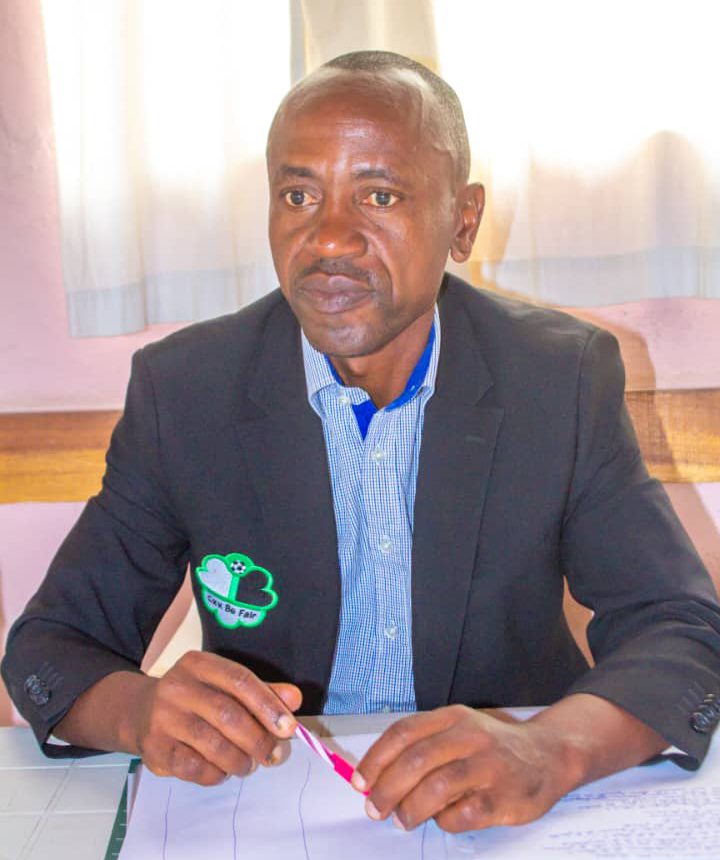
From Divided Communities to One Team: Ignace Harushimana’s MasterPeace Journey
For Ignace Harushimana, peace has never been just an idea—it has always been a mission.
As the Club Leader of MasterPeace Burundi – HAGURUKA, Ignace has spent years bringing people together through dialogue, education, and one of the world's most powerful universal languages: sport. His journey with MasterPeace began in 2018, but his commitment to building peaceful communities started long before.
What drew him to MasterPeace was simple.
"MasterPeace is a peace movement. Our organization also works for peace by using sport and young people as tools for dialogue, peace, and development. We shared the same vision."
Finding a Global Family
One of Ignace's first experiences with MasterPeace was meeting Club Leaders from different countries and exchanging ideas, experiences, and solutions for the challenges facing their communities.
Those early conversations showed him that peacebuilding is stronger when people work together across cultures and borders.
Over the years, he became actively involved in peacebuilding initiatives, education projects, capacity-building programs, and training workshops, continuously learning while helping others grow.
Throughout his journey, he found inspiration in many members of the MasterPeace family, especially Aart Bos and Raghda from MasterPeace Global, as well as Hamza and Maryam from MasterPeace Africa, whose leadership encouraged him to keep expanding his impact.
Learning That Peace Begins with Unity
When asked what MasterPeace has taught him, Ignace doesn't hesitate.
"Love, solidarity, unity, and sharing experiences."
Those values have shaped the way he approaches leadership and community development. Rather than seeing differences as barriers, he learned to see them as opportunities for dialogue and collaboration.
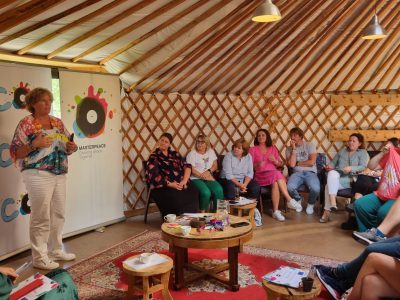
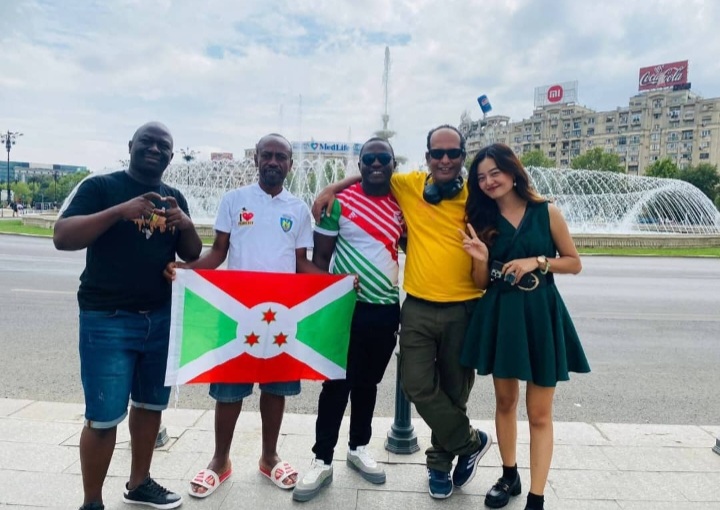
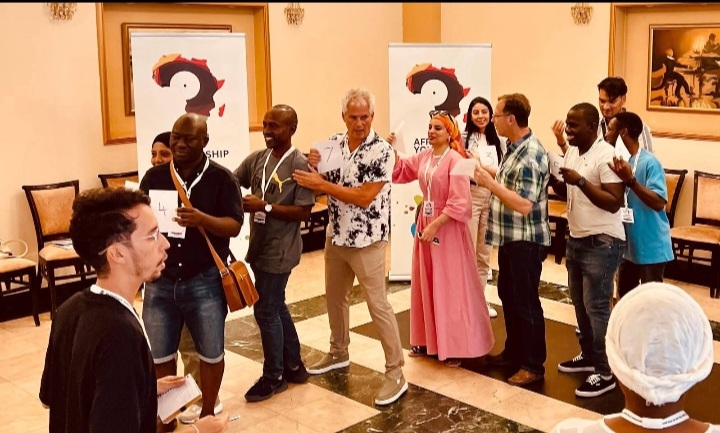
A defining moment came in 2024 during a MasterPeace gathering in Romania. Standing in front of fellow Club Leaders, Ignace presented the story of his Football for Peace project.
Sharing his experience with leaders from around the world filled him with pride and confidence.
"It was truly a moment of happiness and satisfaction."
Football Beyond the Game
Perhaps the greatest example of Ignace's impact is his Football for Peace initiative.
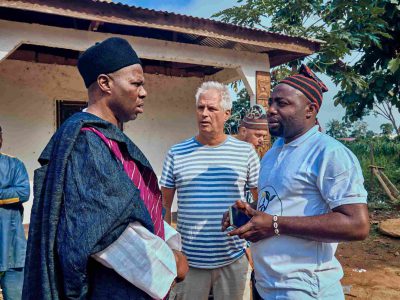
His community had experienced deep political and ethnic divisions that affected relationships between neighbors and families. Instead of allowing those divisions to continue, he used football as a bridge.
The project created spaces where people could meet, play together, and start conversations that had once seemed impossible.
Today, those same communities share more than a football field.
"They understood that the true path to living together is through dialogue. Now they play together and share many things together."
For Ignace, sport became much more than competition—it became a tool for reconciliation, trust, and lasting peace.
Growing as a Leader
MasterPeace has also transformed Ignace personally.
Through years of exchanges, trainings, and international experiences, he developed stronger leadership skills, gained new knowledge in peacebuilding and education, and increased his confidence as a community leader.
He now shares those experiences by organizing training workshops across different communities in Burundi, helping others build the skills needed to become changemakers themselves.
"The experience I gained in leadership, peacebuilding, education, and capacity-building through MasterPeace has influenced my entire community through the trainings I provide."
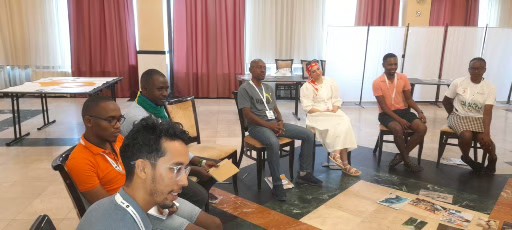
One Family Across Borders
When Ignace thinks about MasterPeace, one phrase comes to mind:
"We are one family."
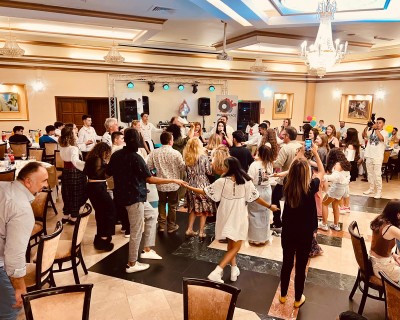
That feeling extends beyond projects and events. During his visit to Romania, he formed a friendship he still treasures today with fellow MasterPeace member Bob from Poland.
Bob stayed close throughout the visit, generously helping Ignace during his stay and making him feel welcomed far from home.
For Ignace, this kindness reflects what makes the MasterPeace network unique: people from different countries becoming lifelong friends united by shared values.
A Message for Future Changemakers
After years of creating impact, Ignace believes MasterPeace offers more than programs or training.
It offers belonging.
He encourages anyone passionate about peace, dialogue, and development to become part of the network.
"MasterPeace is a united family for peace that creates many opportunities for development."
His own journey is proof that when people choose dialogue over division and collaboration over conflict, communities can change.
As Ignace says:
"I have succeeded in bringing together politically and ethnically divided communities through dialogue, using sport as a tool for peace and development."
His story reminds us that peace is not built overnight. It is built one conversation, one friendship, one community—and sometimes, one football match—at a time.
Every journey begins with a question.
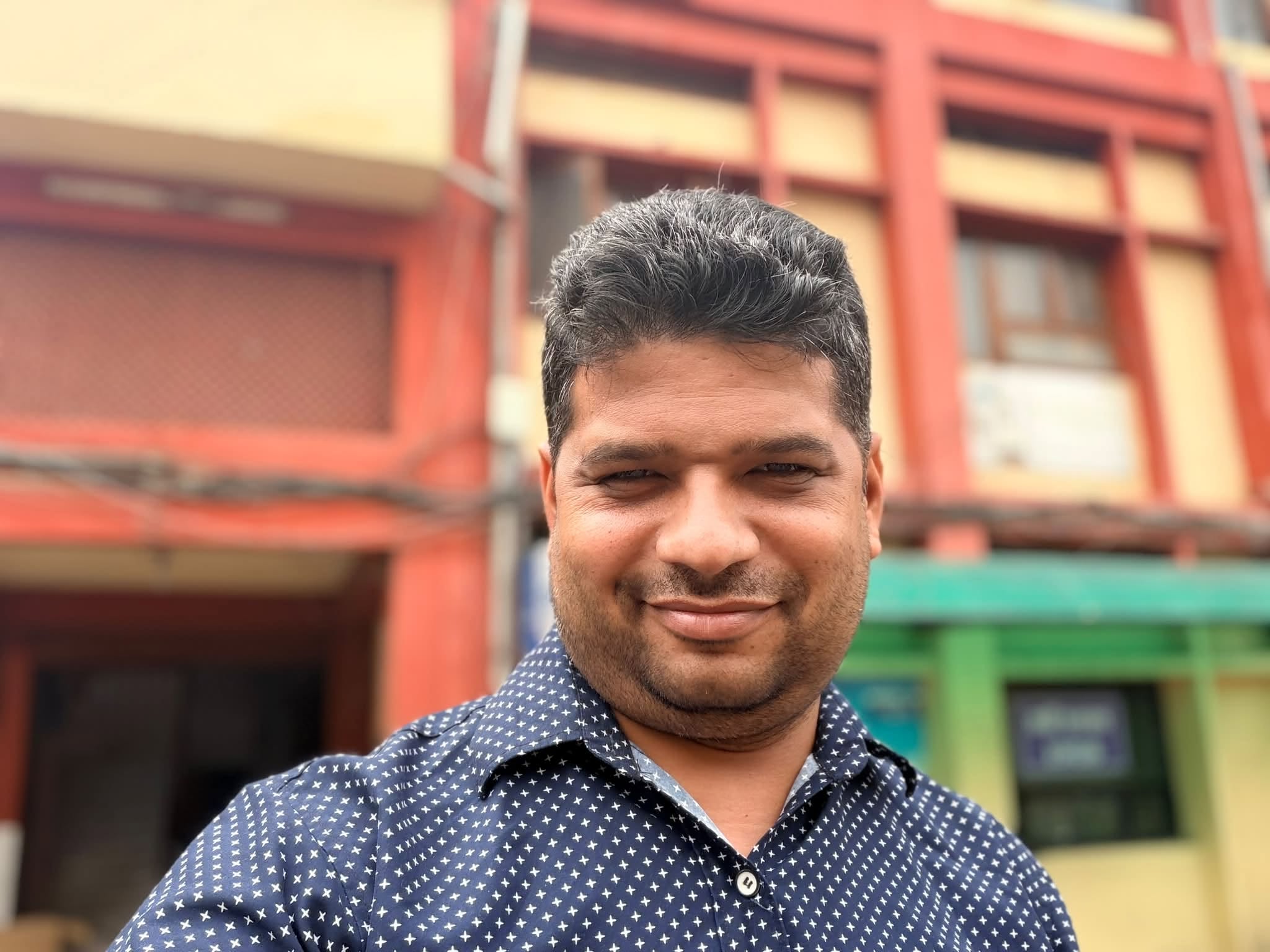
For Santosh Bidari, Founder and Executive Director of Peace for People (P4P), that question emerged during his childhood in rural Nepal.
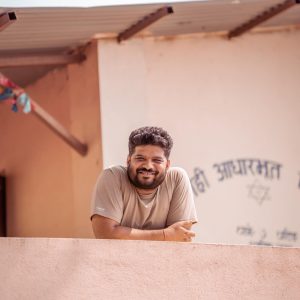
Growing up, reaching school meant long walks through hills and forests. Yet the distance was never the greatest challenge. Like many students of his generation, Santosh experienced an education system where success was measured by examinations, memorization, and the fear of making mistakes. Those early experiences left him wondering why education often created pressure instead of curiosity.
Outside the classroom, however, his village offered a different kind of education. It was a place where neighbours supported one another, communities worked together, and people understood the value of collective responsibility. As a teenager, Santosh and his friends organized sports competitions, repaired village pathways, cleaned public spaces, and hosted cultural programmes, not because they called it community development, but because they wanted to make their village a better place to live.
Those experiences laid the foundation for a lifelong commitment to community service.
After moving to Kathmandu to pursue higher education in Mass Communication and Journalism, Santosh volunteered with community organizations and spent time listening to children, parents, and teachers. He realized that for many young people, education was not simply about attending school. Poverty, limited opportunities, and social inequalities prevented countless children from reaching their full potential.
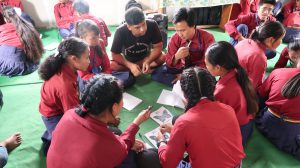
These experiences inspired him to establish Peace for People (P4P) in 2009.
Founded as a volunteer-led organization, Peace for People was built on a simple but powerful belief: every young person deserves an equal opportunity to learn, grow, and contribute to society. Since its establishment, the organization has worked to empower rural and marginalized communities across Nepal through education, youth empowerment, equality, and environmental action.
Over the past fifteen years, Peace for People has grown into a respected grassroots organization, supporting thousands of children with educational opportunities, strengthening schools, promoting youth leadership, and working alongside local communities to advance the Sustainable Development Goals. While its programmes have expanded, its mission has remained unchanged that is to create opportunities that enable people to transform their own lives and communities.
Santosh's journey took on an international dimension in 2010 when he became part of the MasterPeace network. Through international exchanges, leadership programmes, and peacebuilding initiatives, he connected with changemakers from around the world and discovered that, despite different cultures and contexts, communities everywhere share many of the same aspirations: to belong, to be heard, and to build a better future.
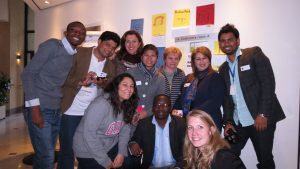
One of his most memorable experiences was organizing the MasterPeace Walk in Nepal, bringing together people from different countries to experience village life, cultural exchange, and community living. The experience reinforced his belief that peace is not simply something to discuss but is something people experience by living, learning, and working together.
This philosophy also inspired InnerVillage, a community-based initiative that welcomes people from around the world to experience rural Nepal through meaningful cultural exchange. More than a place to stay, InnerVillage offers visitors an opportunity to connect with local families, traditions, and everyday life, demonstrating how genuine human connection can build understanding across cultures.
Looking back, Santosh's journey has never been about building an organization alone. It has been about creating spaces where people can discover their potential, strengthen their communities, and work together for positive change.
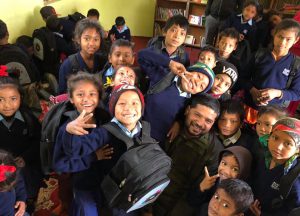
His story reminds us that peace is not built through extraordinary moments alone. It grows through everyday actions and supporting a child to stay in school, empowering young people to lead, strengthening communities, and choosing collaboration over division.
Through Peace for People and his long-standing partnership with MasterPeace, Santosh Bidari continues to show that lasting change begins at the grassroots, where education, compassion, and community come together to create a more peaceful world.
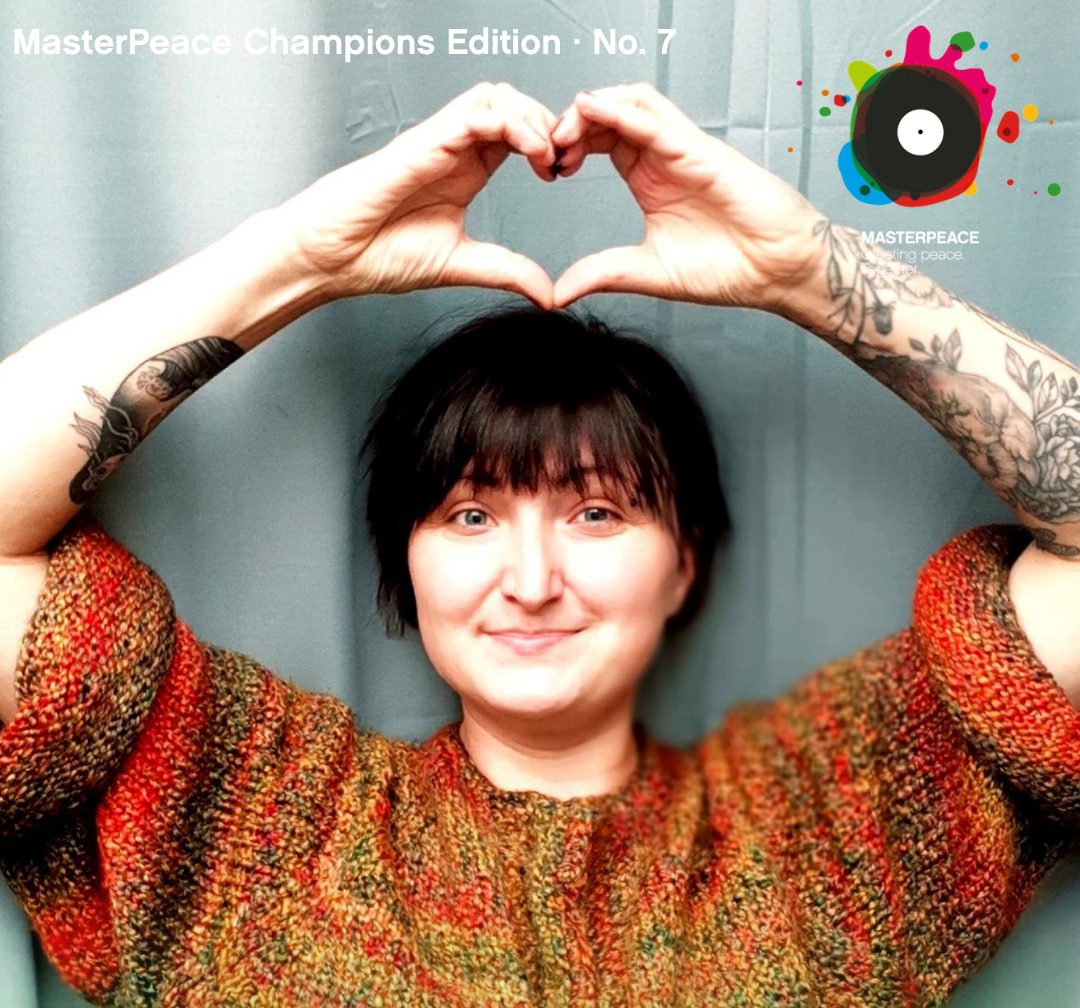
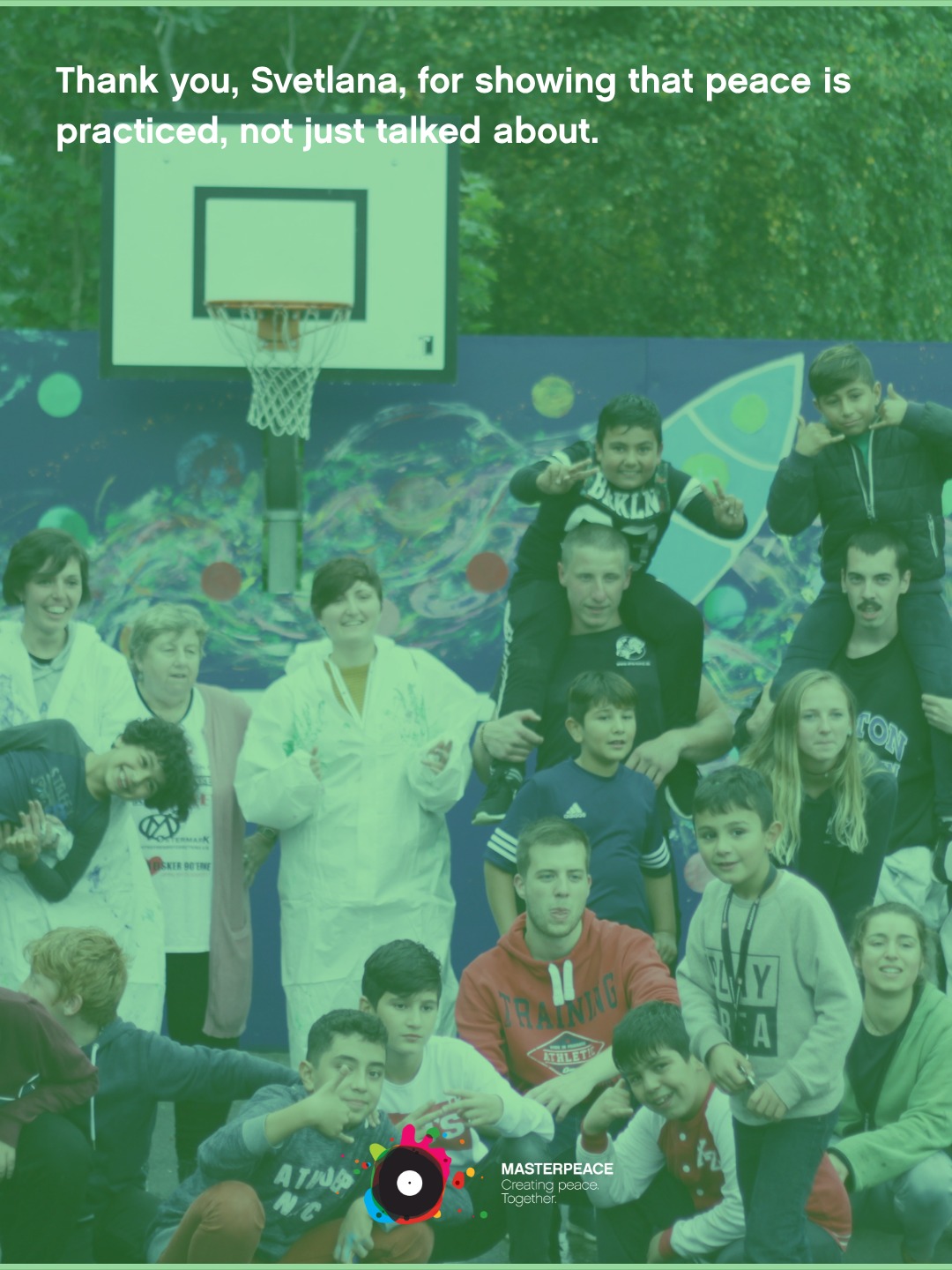
Svetlana Kosenko didn't set out to join a movement. She set out to study, first Lithuanian Philology, then Applied Photography, then a teacher training programme in Denmark, the country that became her second home. Looking back, those paths might seem unrelated, but she sees the thread running through all of them: a curiosity about people, stories, creativity, and how we learn to connect with one another.
Today Svetlana works as an educator, and she's one of MasterPeace's members, officially part of the network since 2017, though her connection to the movement started even earlier.
"I have always been fascinated by how people grow, and how creativity, education, and dialogue can help us build more peaceful ways of living together."
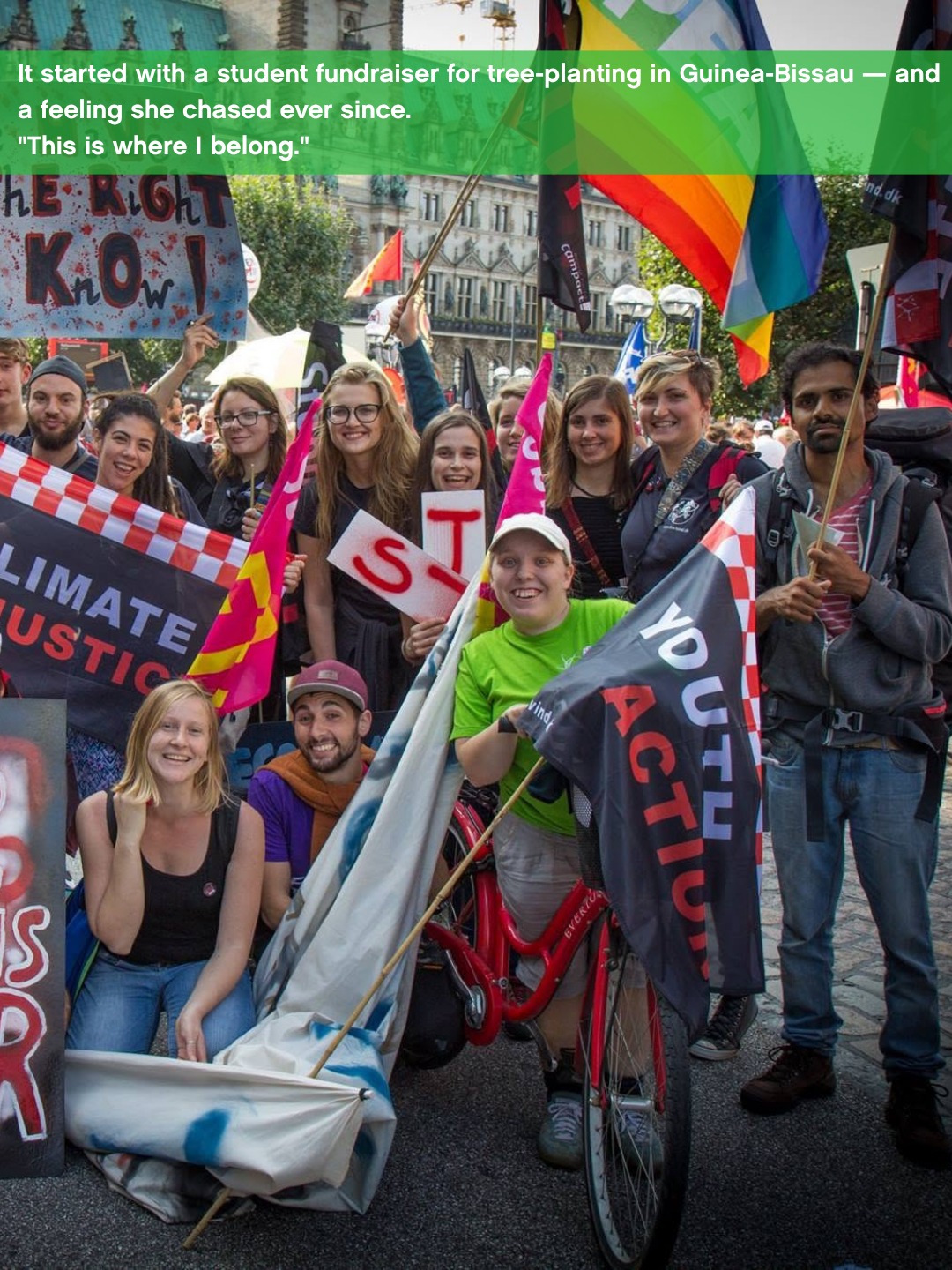
Her first brush with MasterPeace wasn't at a peace conference. It was a small student fundraiser she ran with classmates for a tree-planting project in Guinea-Bissau, raising money for seeds and the local communities who'd care for them. Around the same time, she came across MasterPeace, then exploring early ideas for a Global Concert for Peace. The projects were different, but the spirit was the same: bring people together, create something positive.
That thread kept pulling her in. While studying in Denmark, she met the MasterPeace Club in Croatia and joined their Peace Concert in Ludbreg, where she watched people of different generations come together through art and dialogue and thought, simply, this is where I belong. After graduating, she co-founded MasterPeace Denmark with two friends, choosing Quality Education as their focus, the foundation, they believed, that makes every other Sustainable Development Goal possible.
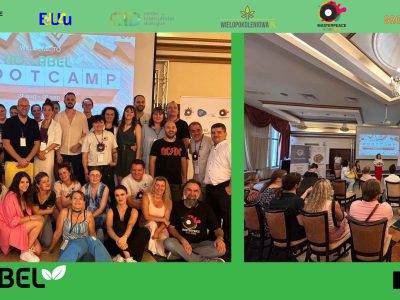
She still remembers her first MasterPeace Bootcamp clearly: a room full of people from different countries, full of ideas and a genuine belief that communities can make a difference, at a time when the world already felt heavy with conflict and division.
"It felt like finding a culture I wanted to be part of. Not because everyone thought the same, but because we shared a belief that positive change begins with people coming together, listening to one another, and taking action — however small it may seem."
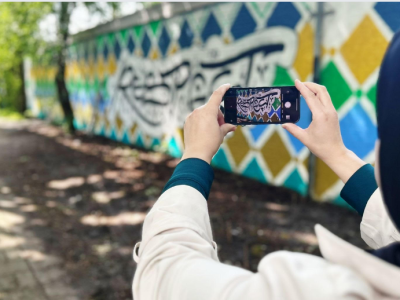
From there came years of involvement — Walls of Connection, bringing young people, refugees, and local communities together through art and sport; educational work tied to the annual Peace and Justice Conference; and a growing conviction that peacebuilding and education were never really two separate things. In her own classroom, she tries to create spaces where creativity, courage, and a sense of belonging matter just as much as the subject being taught.
"Every lesson is also an opportunity to practice peace: learning how to listen, collaborate, navigate differences, and recognize the value in one another."
She'll tell you she wasn't inspired by one mentor, but by many, educators, artists, activists, and what she calls "hopeful romantics" from all over the world, united by a belief that dialogue and creativity matter. Her growth alongside them wasn't one defining moment so much as a gradual shift, classroom by classroom, conversation by conversation.
"I began to understand that every classroom, workshop, or conversation can become a place where peace is practiced through curiosity, creativity, dialogue, and belonging."
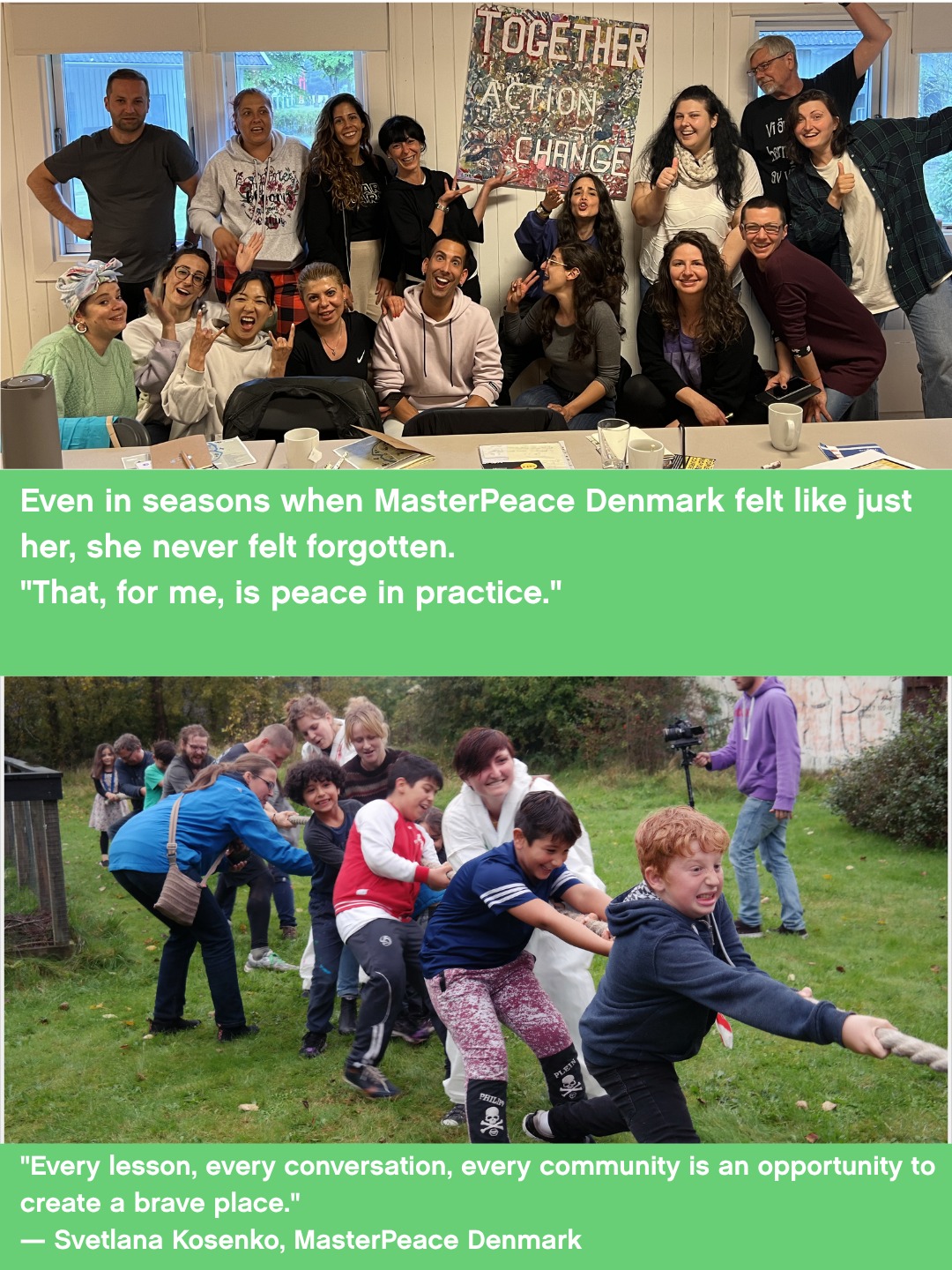
Her most honest story, though, isn't about a triumph. It's about a season of exhaustion, when MasterPeace Denmark sometimes felt like it was just her alone, as members came and went and the local club changed shape.
"Yet even then, I never felt that the ideas or the community had been abandoned. Instead, I was encouraged to remember what had already been created, reflect on the journey, and keep imagining what could come next. That, for me, is peace in practice."
What carried her through wasn't pressure to do more, it was a community that stayed connected, reminding her that belonging isn't measured by constant productivity, and that ideas sometimes just need time to grow. It's a lesson she now passes on to the people she teaches and works with.
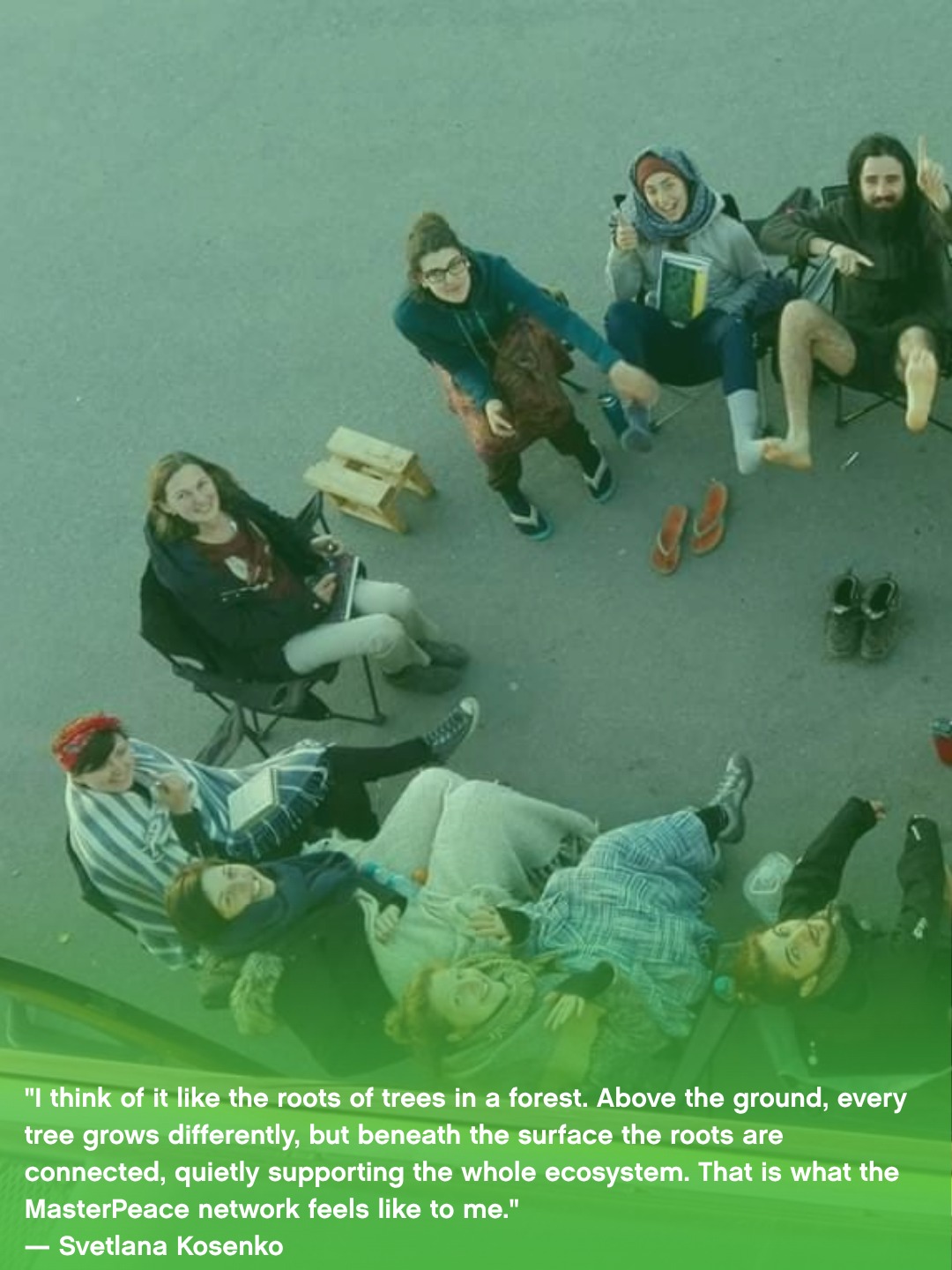
Svetlana describes the wider MasterPeace network the way she might describe a forest: different countries, different professions, different lives, yet quietly connected underneath.
"I think of it like the roots of trees in a forest. Above the ground, every tree grows differently, but beneath the surface the roots are connected, quietly supporting the whole ecosystem. That is what the MasterPeace network feels like to me."
That sense of connection shows up in her work now in quiet ways, in safe spaces for hard questions, in curiosity replacing fear, in the belief that courage grows where people feel they belong.
When she describes MasterPeace to someone new, she keeps it simple: a global community of people who choose hope over helplessness, connected by a shared belief that creativity, dialogue, and small everyday actions can build a more peaceful world. And to anyone just starting their own journey with MasterPeace, her advice is just as simple.
"Stay curious. You don't have to say yes to everything. No one carries the movement alone, we each bring our own perspective, and together those different contributions create something much bigger than any individual project."
Asked for one line to sum it all up, Svetlana didn't hesitate:
"Every lesson, every conversation, every community is an opportunity to create a brave place."
MasterPeace Champions Edition celebrates the people who've grown alongside the movement, and helped it grow in return.
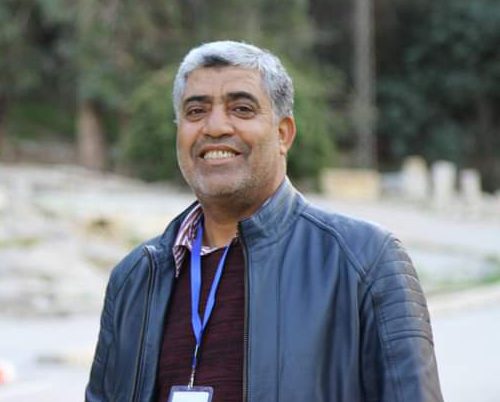
Every MasterPeace Champion has a story of creating change, and Bechir Selmi's journey is a powerful example of how one person's dedication can inspire thousands. Since joining MasterPeace in 2012, Bechir has worked tirelessly to empower young people across Tunisia, building opportunities for leadership, dialogue, and peace at a time when the country was navigating major social and political change. His story reflects the impact that committed local champions can have when they connect communities with a global movement for peace.
With more than 35 years of experience in youth development, sports, and childhood education, Bechir saw MasterPeace as an opportunity to offer hope.
"I felt we needed an organization that could support young people, promote their initiatives, and show them that there were people listening beyond our borders."
Holding a Bachelor's degree in Youth and Childhood Facilitation and Arts, a Master's degree in Didactics of Physical Education and Sports, and serving as an international Pétanque coach, Bechir brought decades of experience from the Tunisian Ministry of Youth and Sports into building the MasterPeace movement in his country.
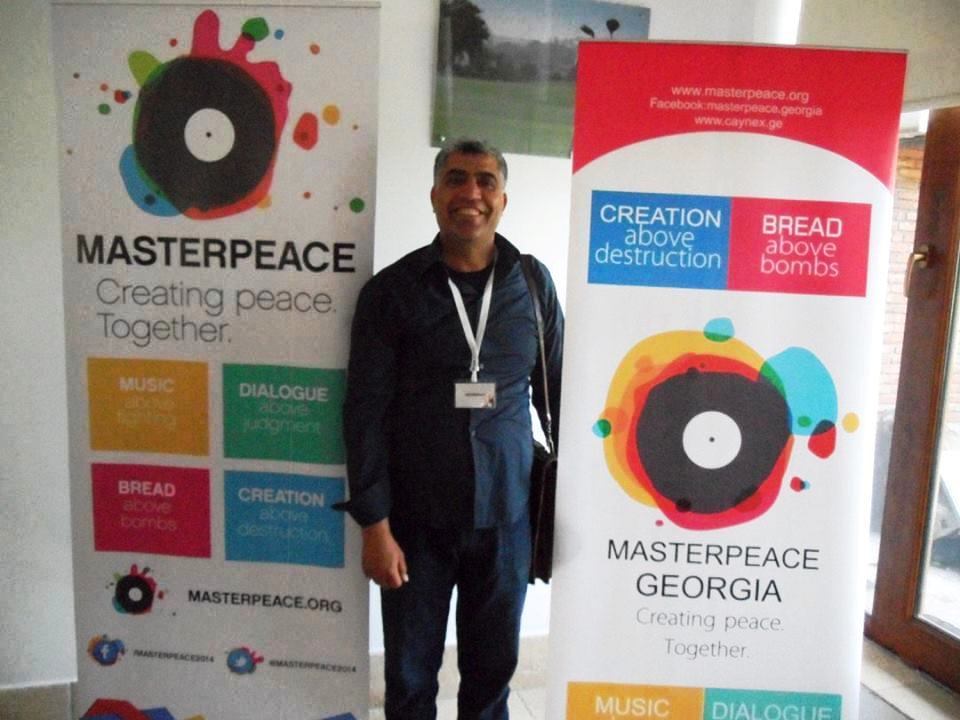
Creating a Family of Changemakers
MasterPeace quickly became more than an organization—it became a window to the world.
Because its values reflected the aspirations of the Tunisian revolution—freedom, dignity, peace, and empowerment—it attracted young people between the ages of 14 and 35, alongside parents, teachers, and community leaders. Together, they created an environment where generations could learn, collaborate, and grow side by side.
Bechir started by inviting a small group of motivated young people who became the foundation of MasterPeace Tunisia. Inspired by the organization's mission, they worked with passion, discipline, and commitment to build meaningful activities for their communities.
Empowering Young People Through Skills and Creativity
The first years focused on engaging secondary school students through practical learning opportunities.
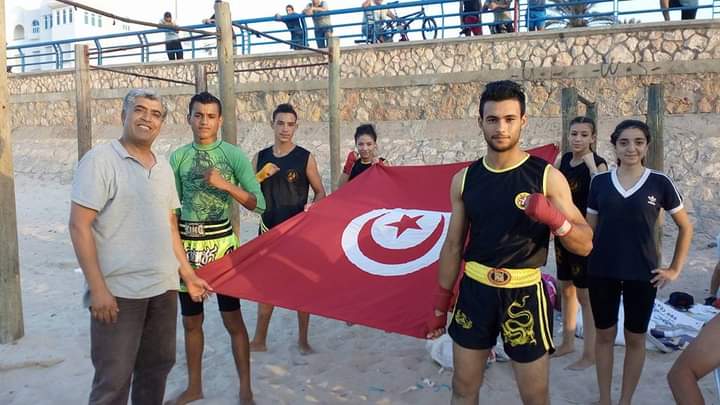
Young people received training in drawing, theatre, social media, public speaking, and community entertainment. Teachers, civil society leaders, and media professionals from the Monastir region joined the initiative to mentor participants and strengthen the quality of the programs.
As Director of a Youth Center under the Tunisian Ministry of Youth and Sports, Bechir was able to connect MasterPeace with local institutions and help introduce its vision to a wider audience.
Growing Through Partnerships
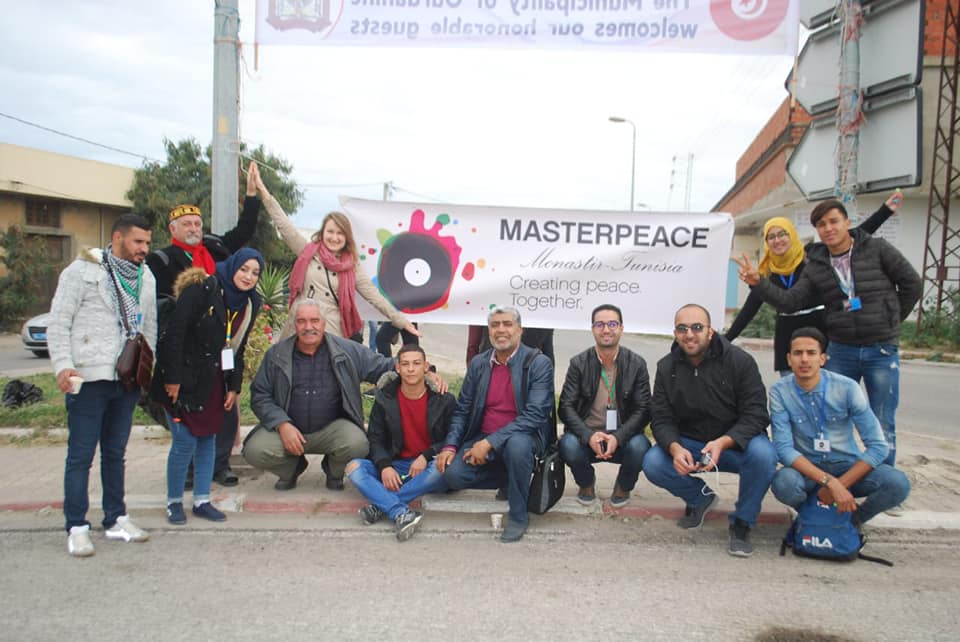
As the movement expanded, MasterPeace Tunisia began building partnerships with local associations throughout the Monastir region.
Together, they organized cultural, educational, sports, and family activities that reached larger audiences and introduced more young people to the values of peacebuilding and active citizenship.
These collaborations strengthened the visibility of MasterPeace and encouraged many more volunteers to become part of the growing community.
Learning Beyond Borders
One of the greatest strengths of MasterPeace has been its international network.
Through collaboration with colleagues from different countries, the Tunisian team gained new ideas, shared experiences, and adapted successful practices to their local context.
Bechir also credits the continuous encouragement of Aart Bos and the MasterPeace Global Board for motivating the team throughout the years. Seeing their activities featured on the MasterPeace Global website and maintaining regular communication with the international network inspired members to continue innovating and expanding their work.
Reaching Universities
Recognizing the potential of university students, MasterPeace Tunisia expanded its activities into higher education.
With Monastir hosting more than seven universities and higher institutes, serving over 30,000 students, the team established cooperation agreements with several academic institutions. These partnerships opened new opportunities for cultural events, sports activities, volunteer engagement, and leadership development, while attracting skilled and motivated young volunteers who shared the values of MasterPeace.
Volunteers for Peace
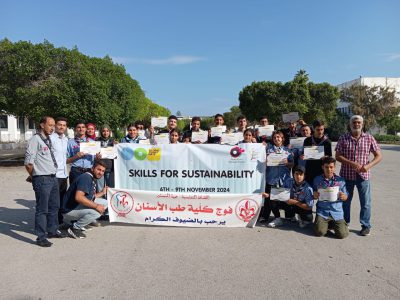
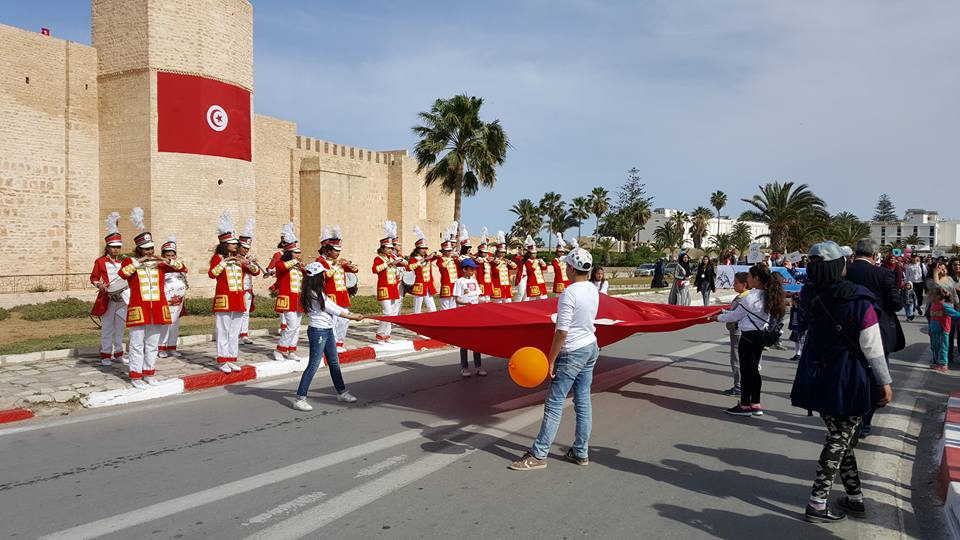
Among the organization's most memorable achievements were the 4th and 6th International Volunteer Festivals, organized in 2014–2015 and again in 2017 under the theme "Volunteers for Peace."
The festivals brought together participants from more than 22 European, Arab, and African countries, creating spaces for intercultural dialogue, collaboration, and friendship.
The participation of representatives from MasterPeace Global added even more inspiration for local volunteers, reinforcing the feeling that Tunisia was part of a much larger international movement working toward peace.
Expanding Across Tunisia
Since 2022, MasterPeace Tunisia has entered a new phase of growth by establishing clubs and branches in several regions, including Gabès, Jendouba, and Tozeur.
The goal is to engage even more young people across the country and create stronger local networks that promote peace, active citizenship, and community leadership.
The team is also strengthening partnerships with national print and audiovisual media to increase the visibility of youth initiatives throughout Tunisia.
Opening Doors to the World
MasterPeace has also created life-changing international opportunities for Tunisian youth.
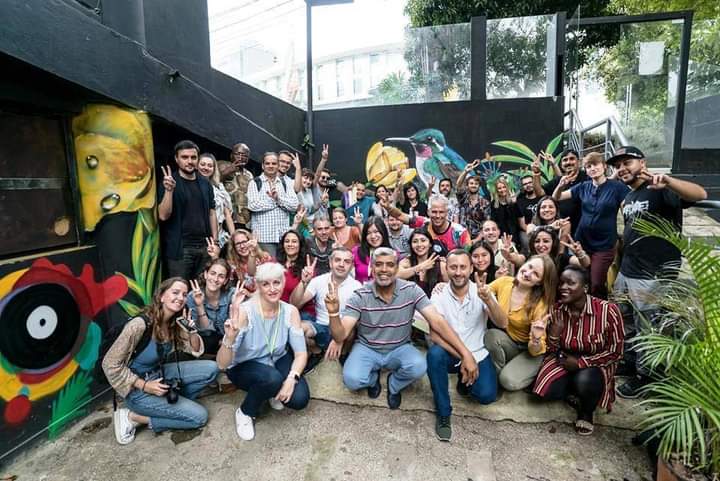
Through participation in international bootcamps in the Netherlands and Romania, young people have developed greater confidence, built lifelong friendships, and exchanged ideas with participants from many different countries.
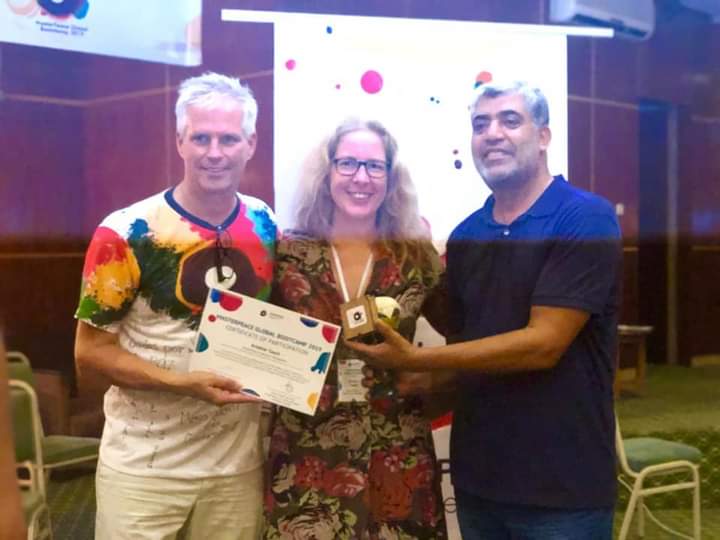
In 2019, Tunisia proudly hosted the 8th MasterPeace Global Bootcamp under the theme "Tunisia on the Waves of Peace." Bringing together participants from MasterPeace clubs around the world, the event became a milestone for the Tunisian team and a memorable experience for everyone involved.
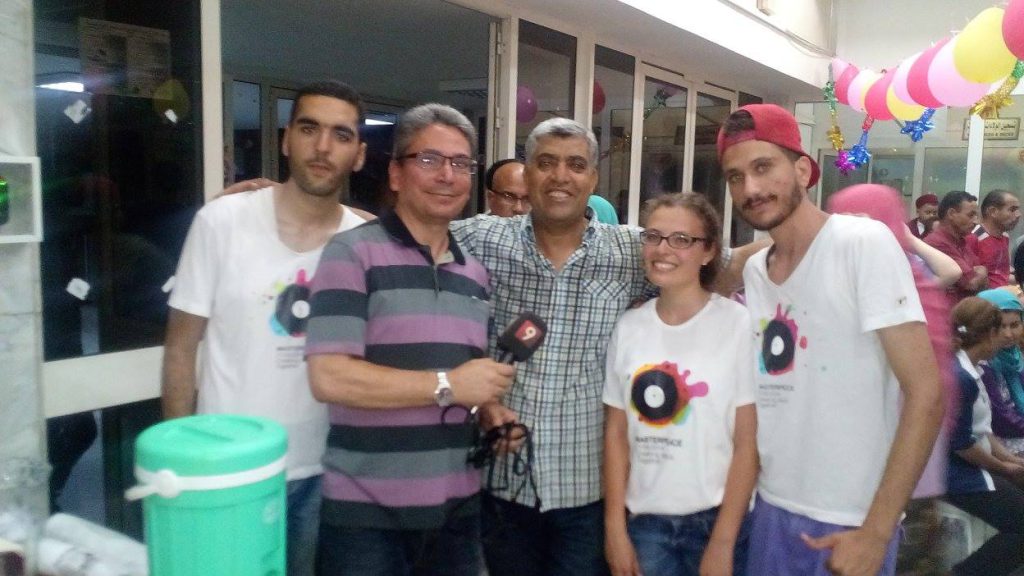
Looking back, Bechir believes MasterPeace has transformed not only the communities he serves but also his own perspective.
The journey has strengthened his leadership, communication, and partnership-building skills while reinforcing the importance of openness, dialogue, peaceful coexistence, and respect for diversity.
Most importantly, it has shown him that peace is built through people who choose to work together despite their differences.
Today, being part of the MasterPeace Global family—spanning more than 47 countries—fills him with pride and hope.
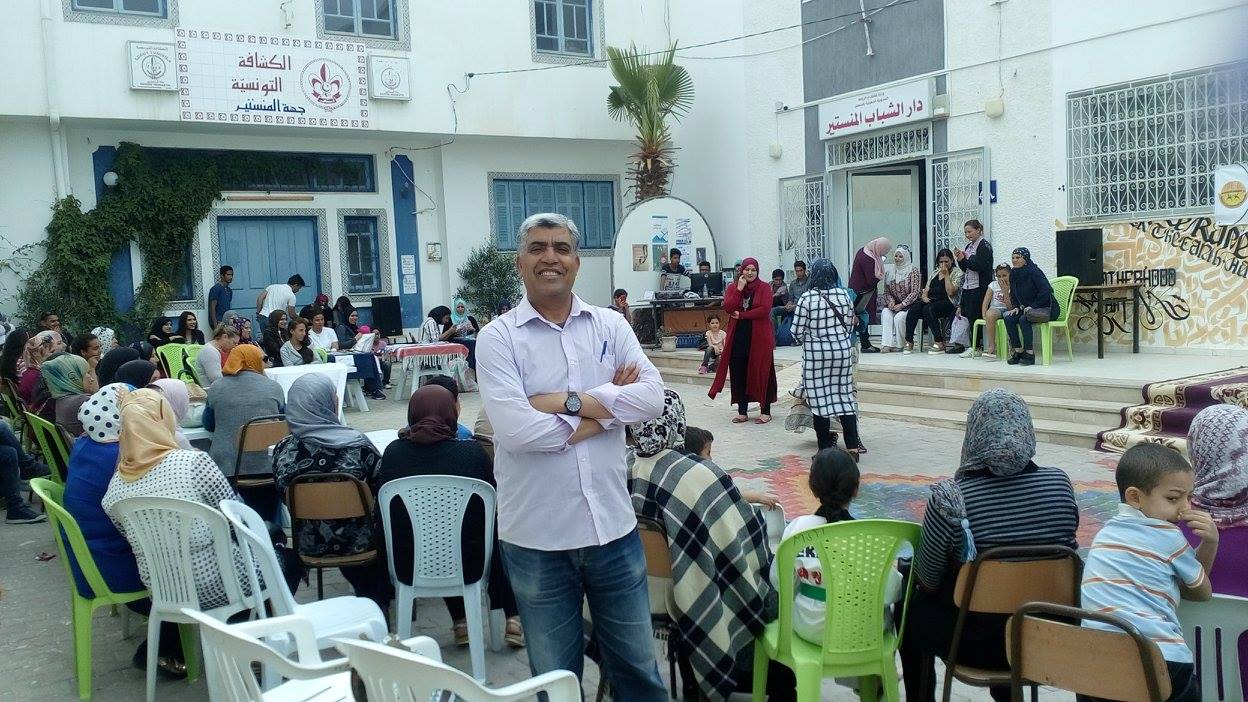
"It feels like being part of one big family united by love, peace, respect, and solidarity. Together, we continue working toward a world where people cooperate across cultures, reject discrimination and conflict, and build communities where everyone can live in peace, dignity, and shared prosperity."
For Bechir Selmi, the journey continues—with the same passion that inspired him to join MasterPeace in 2012 and the same belief that young people have the power to shape a more peaceful future.
- All
- Africa
- Americas
- Asia
- Europe
- Global
- Highlights
- MasterPeace Champions Series
- MasterPeace Impact Series
- My Music Competition
- Podcast
- Uncategorized